
Aging in Public: Are We Finally Embracing Older Voices — or Just Rebranding Invisibility?
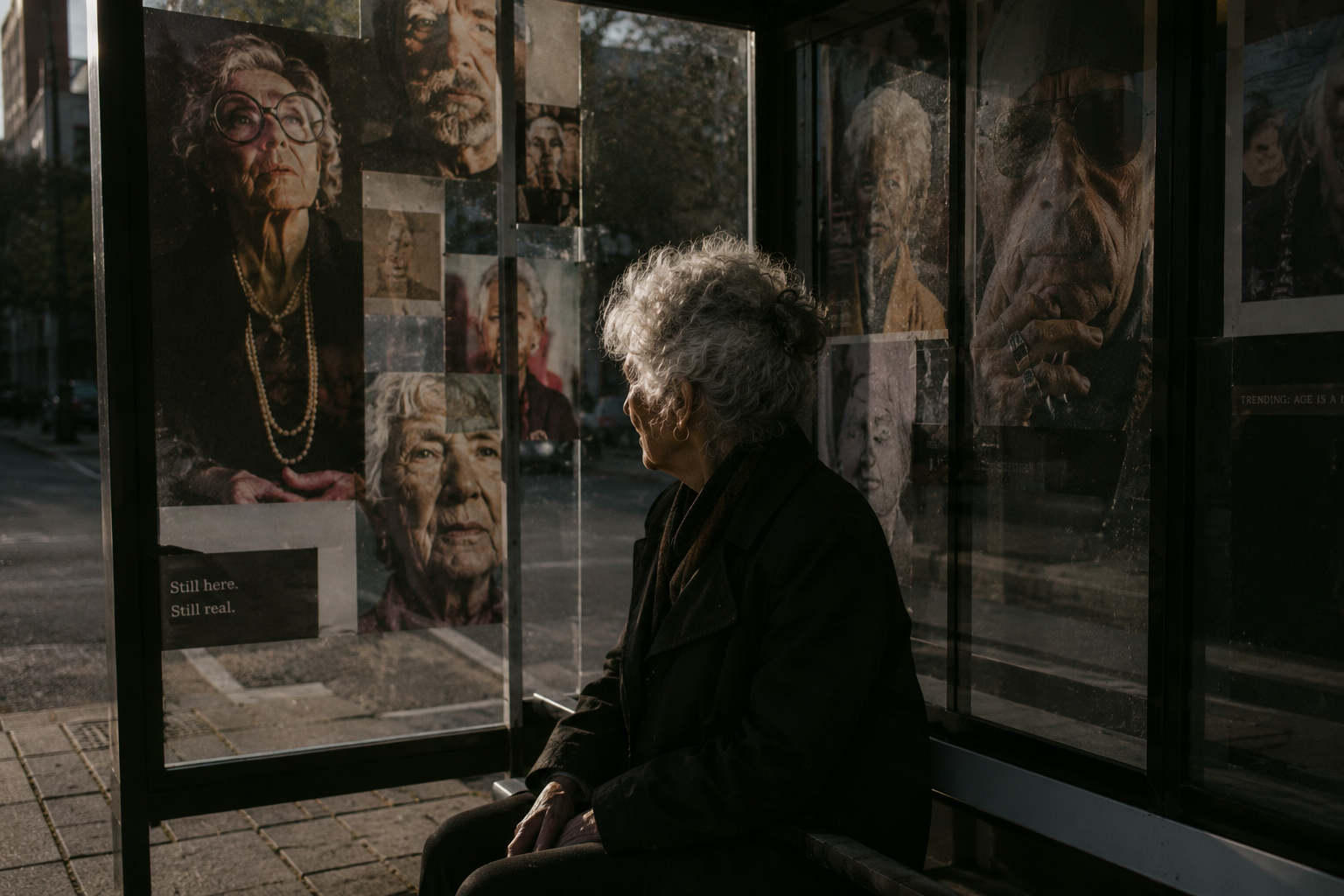
By 2050, two billion people will be over 60 — but are we actually ready to listen to them? Ashton Applewhite, Dr. Ken Dychtwald, and Laura Carstensen debate whether the growing visibility of older adults in media and culture is genuine empowerment or just a more palatable form of invisibility.
Key Metrics
73%
of older adults believe they have valuable insights to contribute to society.
62%
of marketing directed at older adults is focused on lifestyle changes rather than empowerment.
58%
of adults aged 60+ feel marginalized in discussions about aging.
PAGE EXCERPT
By 2050, two billion people will be over 60 — but are we actually ready to listen to them? Ashton Applewhite, Dr. Ken Dychtwald, and Laura Carstensen debate whether the growing visibility of older adults in media and culture is genuine empowerment or just a more palatable form of invisibility.
TEXTO CON NEGRITAS
Aging in Public: Are We Finally Embracing Older Voices — or Just Rebranding Invisibility?
As society grapples with the implications of an aging population, one pressing question emerges: Are we genuinely embracing older voices, or are we simply rebranding their continued invisibility? This question rings especially true in the context of shifting cultural narratives that increasingly showcase older adults in various media, yet raises concerns over whether this visibility reflects true empowerment or merely a façade of inclusivity.
Context
The global demographic landscape is changing, with the World Health Organization projecting that by 2050, there will be 2 billion people aged 60 years and older — nearly doubling since 2015. This shift is prompting a cultural re-evaluation of age, especially in a youth-centric society that has long marginalized older voices. The current discourse is not merely a question of representation but also a matter of redefining how society values and integrates the experiences and insights of older adults.
Expert Perspectives
Perspective: Ashton Applewhite
Ashton Applewhite, a prominent author and ageism activist, argues that while the visibility of older adults in media and social platforms is an encouraging sign, it often lacks depth and authenticity. She points out that older adults are used predominantly in marketing campaigns aimed at younger demographics, which dilutes their individuality and contributions.
"The uptick in older representation often overlooks the multifaceted nature of aging," Applewhite states. "It's crucial that their stories are not only told but also amplified in a way that transcends consumerism." This highlights a fundamental issue: visibility does not equate to voice.
Applewhite calls for a shift towards narratives that celebrate aging and foster community involvement.
Perspective: Dr. Ken Dychtwald
Advertisements
Dr. Ken Dychtwald, a gerontologist and author, echoes Applewhite's concerns while also framing the discussion within a broader societal context. He argues that older adults hold a wealth of experience and knowledge that is vital to collective progress. According to Dr. Dychtwald, the challenge is twofold: re-educating the public about the value of older individuals and dismantling systemic ageism.
"We've long viewed aging through a negative lens, as if it were something to be feared," Dr. Dychtwald articulates. "Now, we have the opportunity to change that narrative by showcasing the strengths and experiences of older adults in decision-making roles and community initiatives."
He emphasizes that simply featuring older adults in campaigns is not sufficient; these individuals must be empowered to share their stories and insights in meaningful ways.
Perspective: Laura Carstensen
Laura Carstensen, the director of the Stanford Center on Longevity, provides a more optimistic viewpoint, suggesting that society is slowly waking up to the idea that older individuals can be agents of change rather than just recipients of care. She points out that new research supports the notion that older adults can be more productive, creative, and engaged than commonly assumed — mainly because they have a wealth of life experiences that can inform better decision-making.
"Aging is not a liability; it's an asset," Carstensen asserts. "The more we recognize and utilize the potential of older adults, the more we can create environments where their contributions are valued." This perspective aligns with increasing calls for intergenerational collaboration and mentorship, positioning aging as a societal asset rather than a deficit.
Editorial Synthesis
Where Experts Agree
The growing visibility of older adults in public discourse is a positive trend. True engagement requires more than just surface-level representation. Society needs to reframe its understanding of aging as an asset rather than a liability.
Where Experts Disagree
The extent to which current visibility efforts genuinely empower older voices varies among experts. While some see potential for transformative change, others emphasize existing systemic barriers that continue to marginalize older individuals.
Why This Matters
As the population ages, how society chooses to engage with older voices will have profound implications for future generations. A superficial embrace of older adults does little to dismantle the negative stereotypes associated with aging. Meaningful inclusion requires listening to older generations and integrating their perspectives into our systems, cultures, and communities.
The discourse surrounding aging must evolve to center on empowerment, advocacy, and respect for the wealth of experience that older individuals offer. Understanding these complexities is critical for ensuring that older adults are not only seen but also heard and valued — transforming visibility into a genuine celebration of life's later stages.

Editorial Take
Rebranding or Empowerment? The Need for Genuine Engagement with Older Voices
Cautiously OptimisticWe advocate for a deeper engagement with older voices that transcends mere visibility.
As we navigate a rapidly aging society, it is essential to critically assess the portrayal of older adults in public discourse. While increased visibility in media is a positive step, it must not merely serve as a facade that overlooks the complexities of aging. The insights of individuals like Ashton Applewhite remind us that true empowerment requires more than just representation; it demands authentic engagement with the rich experiences and voices of older adults. The challenge lies in moving beyond superficial inclusivity to foster a cultural narrative that genuinely values and integrates the perspectives of the aging population. In doing so, we can ensure that older voices are not just seen but heard in meaningful ways that contribute to societal progress.
What do you think?
Cast your vote on this debate.
References
Continue the Debate
Related topics emerging from this analysis:
The Role of Technology in Elevating Older Voices
Exploring how digital platforms and social media can empower older adults to share their stories and experiences, and examining whether these tools genuinely facilitate dialogue or simply commodify aging.
Ageism in Advertising: A Double-Edged Sword
Analyzing the implications of using older adults in marketing campaigns, focusing on whether this strategy promotes inclusivity or perpetuates stereotypes and tokenism.
Intergenerational Dialogue: Bridging the Gap
Investigating the potential for intergenerational conversations to foster mutual understanding and respect, and discussing programs or initiatives that successfully bring older and younger generations together.
Cultural Narratives: The Evolution of Aging in Media
Tracking the representation of older adults in film and television over the decades, assessing whether contemporary portrayals signal progress or merely a shift in superficial branding.