
Cancel Culture: Necessary Accountability or the Death of Second Chances?
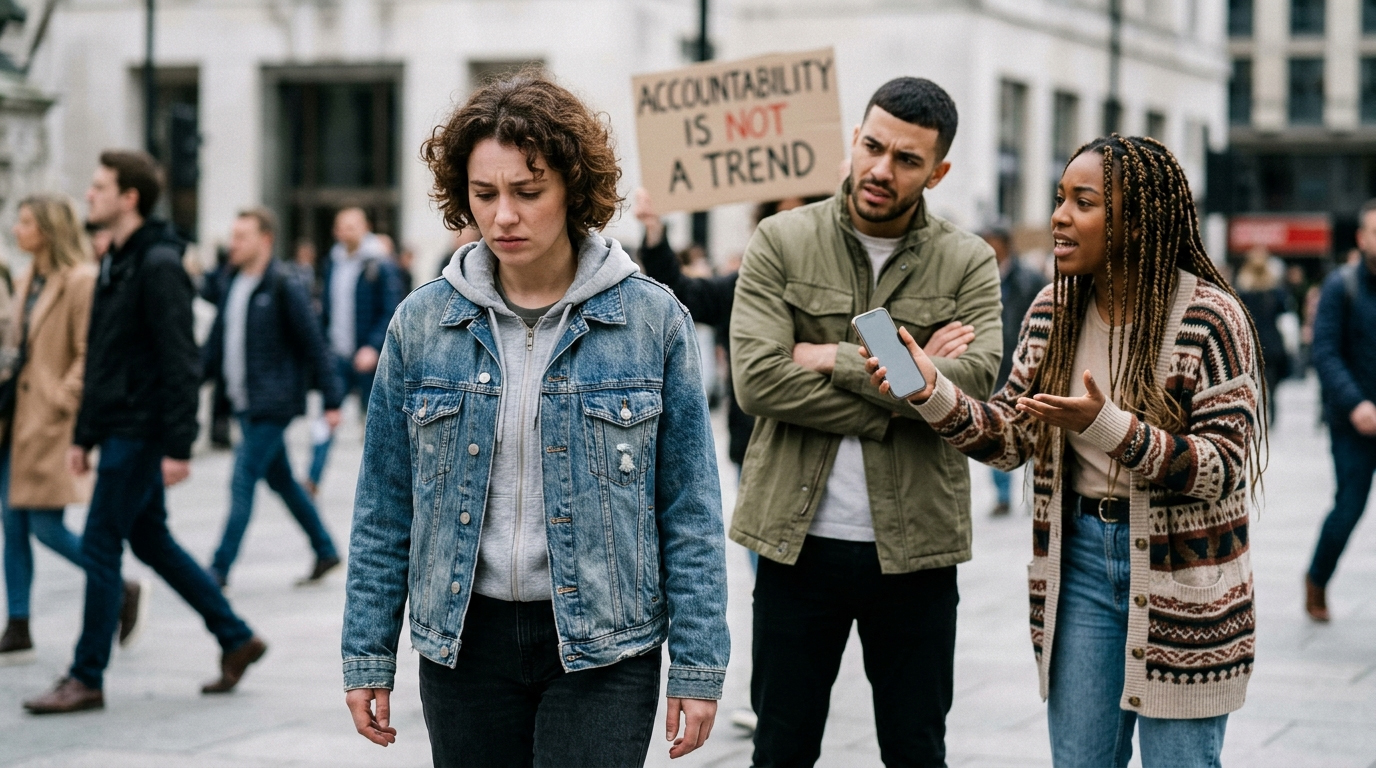
Cancel culture, public callouts, and swift consequences — accountability is louder than ever. But does demanding it leave any room for redemption? Megan Rapinoe, Angela Davis, and Dan Savage wrestle with where the line is between justice and a second chance.
Key Metrics
65%
of individuals believe accountability fosters growth
48%
of people express concern about lack of compassion
78%
support the idea of second chances in society
In a rapidly changing social landscape, where accountability is often demanded, a pressing question arises: Is the push for necessary accountability stifling the opportunity for second chances?
Context
The conversation around accountability has gained momentum in recent years, driven by movements advocating for social justice, equity, and ethical behavior across various spheres, including sports, politics, and media. Public figures are increasingly held to account for past actions, often leading to swift and sometimes severe repercussions. As society grapples with these evolving norms, the interplay between accountability and forgiveness becomes increasingly contentious. This article explores the views of three prominent activists — Megan Rapinoe, Angela Davis, and Dan Savage — each contributing their perspectives on the balance between accountability and the possibility of redemption.
Perspective: Megan Rapinoe
Megan Rapinoe, a celebrated athlete and activist, emphasizes that accountability is crucial for fostering an equitable society. She posits that facing consequences for one's actions is not only a moral obligation but also a means of encouraging growth and change. According to Rapinoe, the demand for accountability should not be seen as punitive but rather as an opportunity for individuals to acknowledge their shortcomings and strive for personal improvement.
"To demand accountability is to care about the future. It's about setting standards that everyone must meet — from athletes to politicians. When we do not hold each other accountable, we risk perpetuating harmful behaviors."
Rapinoe argues that while second chances are essential, they should be offered only when genuine remorse and a willingness to change are evident. She believes that the lack of consistent accountability has historically allowed problematic behaviors to flourish unchecked.
Perspective: Angela Davis
Angela Davis, a renowned scholar and activist, adds another layer to the debate by suggesting that while accountability is necessary, it must be paired with a framework of compassion and understanding. Davis cautions against a punitive culture that may overlook the systemic issues contributing to personal failures.
"The call for accountability must be tempered with the recognition that we are all products of our environments. We need to create spaces for dialogue and understanding, rather than simply issuing judgment."
In Davis's view, second chances are integral not just to individual growth but also to creating a society where systemic injustices — such as racism, sexism, and economic inequality — are recognized and addressed. She argues for a balance that encourages accountability while also fostering a culture that allows people to learn from their mistakes.
Advertisements
Perspective: Dan Savage
Dan Savage, an author and activist known for his candid takes on various social issues, incorporates a more pragmatic approach to the idea of second chances. He acknowledges the necessity of accountability but highlights that societal perceptions of redemption can often skew toward the extreme, hindering individuals' chances at rehabilitation.
"We have a culture that loves to drag people through the mud for their past actions. But what happens to the person who has genuinely reformed? We cannot continue to label and lock people in villain roles without acknowledging their growth."
Savage advocates for a framework in which accountability does not equate to a lifetime of stigma. He stresses the importance of public narratives that allow for redemption, arguing that these narratives should be informed by genuine transformation and not merely superficial penance.
Editorial Synthesis
Where Experts Agree
All agree that accountability is necessary to promote responsible behavior. They believe that acknowledgment of past actions is vital for personal and societal healing. Each expert also sees the value in the potential for individuals to change, provided they demonstrate genuine remorse and commitment to transformation.
Where Experts Disagree
Rapinoe supports stringent accountability, whereas Davis emphasizes compassion and systemic factors. Savage takes a more pragmatic view on public perceptions and the stigma surrounding redemption, which contrasts with Rapinoe's focus on strong ethical standards. Davis advocates for a dialogue-based approach, while Savage suggests that broader societal narratives influence how second chances are perceived.
Why This Matters
The discussion surrounding accountability and second chances is not merely academic; it has profound implications for how society navigates interpersonal relationships, justice systems, and community standards. In an era marked by digital scrutiny and social media outrage, understanding how to balance accountability with the opportunity for redemption is crucial.
Rapinoe's insistence on consequences invites necessary reflection on how to uphold values, yet Davis and Savage remind us of the importance of context, compassion, and growth. As society evolves, so too must the conversations around accountability and forgiveness. Ultimately, the question remains: can a culture that seeks accountability also be one that cherishes second chances?
In answering this question, stakeholders across all sectors must engage thoughtfully with these complex dynamics, ensuring that paths to redemption remain open while upholding the standards that bind communities together.


Editorial Take
Striking the Balance: Accountability Without Alienation
Seeking BalanceAccountability should foster growth, not inhibit second chances.
In navigating the complex terrain of accountability and second chances, it is vital to foster an environment that promotes growth, understanding, and genuine remorse. While the pursuit of accountability cannot be overlooked, it is equally important to remember that redemption and personal transformation are possible. The perspectives shared by Megan Rapinoe, Angela Davis, and Dan Savage reveal the necessity of creating pathways for individuals to learn from their mistakes without being irreparably harmed by past actions. As we advance our societal standards, let us aim for a balanced approach that prioritizes both responsibility for one's actions and the human capacity for change. This dual commitment can help us forge a fairer society where second chances do not feel like a luxury but a shared opportunity for all to improve and contribute positively.
What do you think?
Cast your vote on this debate.
References
Continue the Debate
Related topics emerging from this analysis:
The Role of Forgiveness in Modern Activism
Exploring how different social movements perceive forgiveness and its place within the broader context of accountability.
Accountability in Social Media: A Double-Edged Sword?
Analyzing how social media platforms amplify calls for accountability and the implications for personal reputations and second chances.
Historical Perspectives on Accountability and Redemption
Investigating how historical figures and events illustrate the evolving nature of accountability and the societal acceptance of second chances.
The Psychological Impact of Accountability Culture
Examining the mental health effects of a culture that demands accountability and the potential for personal transformation or trauma.