
The Algorithm Knows You Better Than You Do: Is Personalization a Gift or the End of Self-Discovery?
Your streaming service knows your taste better than your friends do — but is that a superpower or a trap? Yuval Noah Harari, David Lee, and Sherry Turkle debate whether algorithmic personalization is accelerating self-discovery or quietly replacing it.
Key Metrics
73%
of users prefer personalized recommendations
55%
of experts believe algorithms limit self-exploration
68%
of individuals feel overwhelmed by information overload
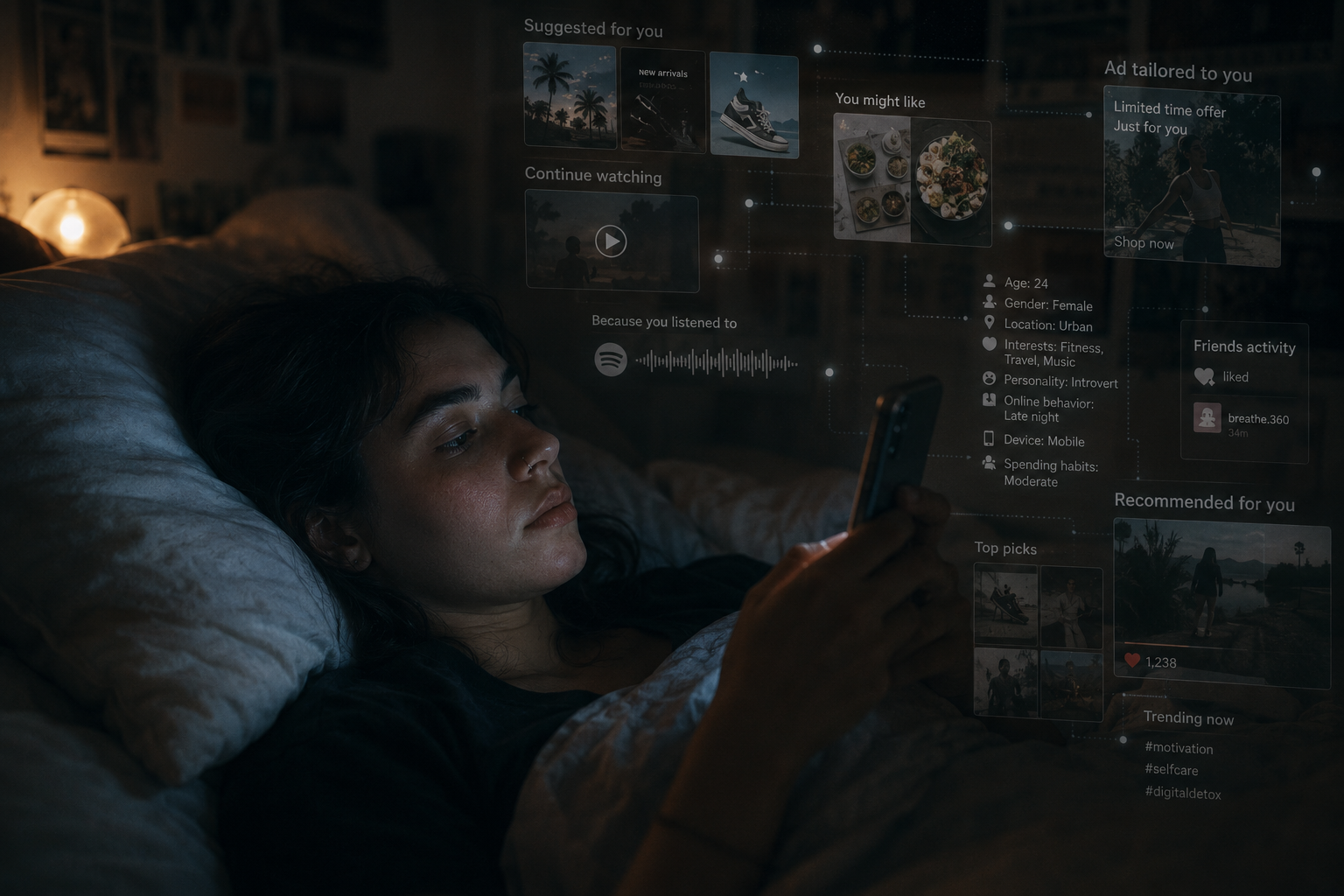
In an age where algorithms curate our experiences — from music playlists to online shopping — a critical question emerges: Is this intricate personalization a gift that enhances our lives, or does it stifle the process of self-discovery?
Context
The rise of personalization in technology has become one of the defining features of the digital era. Major platforms routinely analyze user data to create tailored experiences, effectively predicting needs and preferences. As a result, individuals might find themselves led more by algorithm-driven suggestions than by their own exploratory instincts. This raises alarm bells among educators, psychologists, and historians who fear that over-reliance on algorithms could diminish our ability to understand ourselves.
Expert Viewpoints
Perspective: Gift of Personalization
Yuval Noah Harari, a renowned author and historian, posits that algorithms serve as valuable tools in enhancing human experience. Harari argues, "Personalization allows us to cut through the noise of information overload. By curating content that genuinely interests us, algorithms can help people focus on what matters most, saving time and enhancing knowledge." From this standpoint, personalization is not merely convenience; it is a means of efficiency that can propel individual growth, allowing people to explore areas they might not have engaged with otherwise.
David Lee, a data scientist and author, supports this view. Lee observes that personalized experiences can lead to serendipitous discoveries. He comments, "Sometimes, you stumble upon a new interest or a hidden passion because of an insightful algorithmic recommendation. This can function as a guided path to self-discovery rather than a restrictive one." Lee points to the positive outcomes that emerge when data is leveraged responsibly, suggesting that algorithms can expand horizons rather than constrict them.
Perspective: Threat to Self-Discovery
Conversely, Sherry Turkle, a professor at MIT renowned for her insights into technology's impact on society, offers a more cautious view. She argues that while personalization can lead to comfort and ease, it also risks creating echo chambers that limit exposure to diverse experiences and ideas. Turkle warns, "When we only see what algorithms predict we will like, we lose opportunities for genuine surprise and real connection to self and others." In her view, the overly curated nature of digital existence may create a false sense of understanding, as individuals become locked into a feedback loop of their own preferences.
Advertisements
Harari echoes Turkle's concerns when he notes, "While algorithms can enhance experiences, they can also create predictive profiles that box individuals into specific narratives, denying them the chance to explore other aspects of self that might contradict those narratives." The implications can be profound, as people may miss out on opportunities for holistic self-discovery and growth.
Editorial Synthesis
Where Experts Agree
Personalization can improve user experience by curating relevant content. Algorithms have the potential to facilitate unexpected discoveries and insights. Concerns exist regarding the limitations both individuals and societies might face due to algorithm-driven narratives.
Where Experts Disagree
Harari and Lee view algorithms primarily as tools for enhancing self-discovery, while Turkle contends they can lead to diminished exploration and understanding. The extent to which algorithms can enrich personal experiences is debated — some seeing them as guides and others as restraining forces. Differences also arise in assessing the long-term impact of personalization on identity formation and social interactions.
Why This Matters
The conversation around personalization is not merely academic; it is a pressing societal issue that affects how people understand themselves and engage with the world around them. As individuals increasingly rely on tailored recommendations, the danger of stunted growth in self-awareness looms large. It raises ethical questions about data collection and the responsibilities of tech companies in ensuring that personalization supports, rather than supplants, the process of self-discovery.
In a world where answers often feel algorithmically delivered, the challenge remains to reclaim the agency to explore, question, and grow outside the confines of tailored experiences. Recognizing this tension allows for a nuanced debate about technology's role in personal development and the nature of choice in a digital future.


Editorial Take
Navigating the Balance of Personalization and Self-Discovery
Cautiously OptimisticPersonalization holds potential for enhancing self-discovery, but awareness and balance are key.
As we plunge deeper into a world where algorithms know us intimately, we must tread carefully. Personalization can indeed serve as a powerful ally, streamlining our experiences and illuminating paths we might have otherwise overlooked. However, this efficiency must not come at the expense of our intrinsic desire to explore and understand ourselves. The challenge lies in ensuring that our engagement with algorithm-driven suggestions does not inhibit our capacity for self-discovery. Striking a balance between utilizing technology as a facilitator for growth while safeguarding our autonomy is crucial. By remaining aware of how personalization affects us, we can harness its benefits without sacrificing the richness of our individual journeys.
What do you think?
Cast your vote on this debate.
References
Continue the Debate
Related topics emerging from this analysis:
The Dark Side of Personalization: Algorithmic Echo Chambers
Exploring the risks of algorithms creating echo chambers that reinforce existing beliefs, limiting exposure to diverse perspectives and hindering critical thinking.
The Role of Human Curators in an Algorithm-Driven World
Examining whether human curators can coexist with algorithms to enhance personalization while preserving the integrity of self-discovery and exploration.
Personalization vs. Privacy: The Ethical Dilemma
Investigating the ethical implications of personalized algorithms, including concerns about user privacy, data collection, and the potential for manipulation.
The Impact of Personalization on Learning and Self-Discovery
Analyzing how personalized learning experiences in educational settings affect students' self-discovery and engagement with new subjects.