
Editorial Take
The Future of the Middle Class: Adapting or Disappearing?
TEXTUNO'S TAKE The Future of the Middle Class: Adapting or Disappearing? The middle class is at a transformative crossroads, and rather than vanishing...
TEXTUNO'S TAKE
The Future of the Middle Class: Adapting or Disappearing?
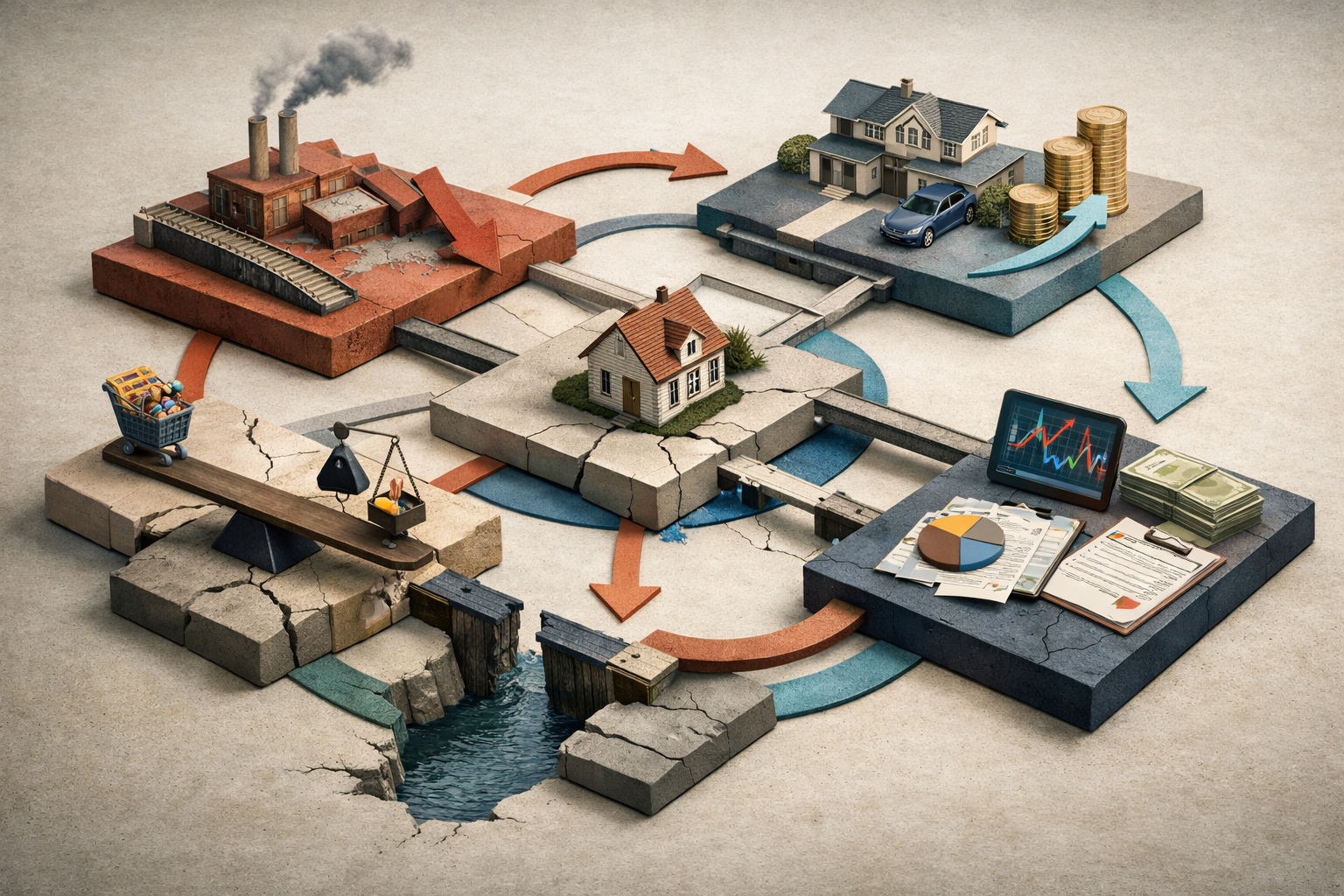
The middle class is at a transformative crossroads, and rather than vanishing, it is likely adapting to new economic realities. Given that the traditional metrics of success and stability are shifting, the focus should be on embracing this evolution rather than lamenting a supposed disappearance.
Evolving Definitions
The definition of middle class has changed significantly. Income alone no longer dictates status; factors such as job security, access to education, and community stability also play critical roles. Acknowledging these aspects can help create a more nuanced understanding of who qualifies as middle class in today's society.
- Changes in job markets and the gig economy dilute traditional notions of employment.
- Access to resources varies widely across localities, affecting perceptions of class.
- Education and skill levels increasingly determine economic mobility over raw income.
Societal Factors at Play
There are deep-seated societal implications of a redefined middle class. As it adapts, new problems arise in areas such as health, well-being, and social cohesion. Addressing these can lead to enhanced stability both economically and socially. The stakes are high because abandonment to the extremes of wealth and poverty can catalyze social unrest.
Advertisements
- Health crises, such as those caused by economic strain, pose serious issues for families.
- Communities that foster strong ties and support systems enhance resilience against economic shocks.
- Inequality can fuel discontent, threatening social stability.
Policy Pathways
Policymakers must innovate to support the adaptiveness of the middle class. Essentially, reimagining what assistance looks like—through flexible job structures, enhanced social safety nets, and equitable educational opportunities—can make significant differences. Action now can prevent a potential calamity from deepening the divides.
- Support for diverse employment types, including gig and part-time work.
- Investment in education and lifelong learning to enhance economic mobility.
- Policies aimed at reducing wealth inequality effectively.
Conclusion
The middle class faces challenges that can either threaten its existence or inspire its evolution. By rethinking access to resources, policy supports, and social structures, society can ensure a robust middle class that contributes to economic stability. Clarifying its definition and realigning societal values are essential steps toward this goal.