
A Cultural Canvas: The Emergence of Silent Shifts
FEATURED ANALYSIS Are We Living Through a Silent Cultural Shift? Is our society quietly transforming under the influence of digital culture and post-p...

FEATURED ANALYSIS
Are We Living Through a Silent Cultural Shift?
Is our society quietly transforming under the influence of digital culture and post-pandemic norms?
As we navigate through the remnants of a global pandemic, the underlying shifts in cultural dynamics have emerged as a focal point of discussion among experts. This moment in history is not only characterized by the immediate aftermath of health crises but is also marked by a landscape where digital interactions have become the norm. With the advent of 2026 approaching, understanding these nuanced cultural transitions becomes imperative to comprehend the fabric of future societal behaviors.
Perspective: Digital Transformation
The rise of digital culture has manifested unprecedented changes in how we interact with one another and perceive our surroundings. This shift is a hallmark of generational change trends, where technologies such as social media, virtual realities, and digital communication platforms have reshaped our daily life. Dr. Clio Chang emphasizes that as lives became increasingly intertwined with the digital realm, traditional social norms have begun to blur. As she states, “The digital encounter is now perceived as equally—if not more—authentic than face-to-face interactions.” This shift reflects broader patterns in cultural acceptance and adaptation.
Perspective: Social Norms Post-Pandemic
The COVID-19 pandemic catalyzed profound changes in social norms, compelling individuals to rethink their definitions of community, engagement, and belonging. Dr. Sherry Turkle points out that the pandemic forced many into isolation, leading to new social constructs emerging alongside existing ones. The designers of our social landscapes are no longer just the people; they are also algorithms and online platforms. This reconfiguration of social norms indicates a silent evolution, where individuals are grappling with both physical distance and virtual proximity.
Advertisements
Perspective: Generational Change
As various generations interact in this evolving landscape, the disparity in cultural perspectives is evident. Malcolm Gladwell posits that generational changes influence everything from work ethics to interpersonal relationships. Younger generations are increasingly focusing on collaborative and inclusive values, often prioritizing virtual interactions that carry social significance. This potentially lays the groundwork for a cultural future that is vastly different from previous norms and traditions, as the lines between personal and societal expectations continue to shift.
Perspective: The Foundation of Political Discourse
Danielle Allen's exploration into political theory sheds light on how these cultural shifts are affecting civic engagement. With a new cultural paradigm emerging, the ways in which people engage politically are transforming. Americans have turned to digital platforms for activism, utilizing social media as a space for dialogue and mobilization. Allen notes, “This digital space becomes a new forum of public trust—where cultural shifts manifest into civic actions.” This ultimately illustrates a potent intersection between cultural evolution and the political dimensions of contemporary society.
Editorial synthesis
Where experts agree
- Digital transformation is significantly reshaping societal norms.
- The pandemic catalyzed new approaches to relationships and interactions.
- Generational changes are redefining expectations of community and engagement.
- Algorithms and technology are central to modern social interactions.
Where experts disagree
- The extent to which virtual interactions can replace traditional ones.
- Differing opinions on the permanence of post-pandemic social norms.
- The implications of digital civic engagement on political trust.
Why this matters
Understanding these cultural shifts is critical to anticipating the future dynamics of society. As we approach 2026, we must be cognizant of how these ongoing changes will influence interpersonal relationships, community organization, and civic discourse. The silent shifts taking place now could have profound implications for how future generations navigate their social worlds.
Textuno's Take on this debate
Explore the implications of silent cultural shifts reshaping our society today. What does this mean for our engagement and civility in the digital age? -> Read Textuno's Take -> Explore the Deep Dive
Voices Referenced
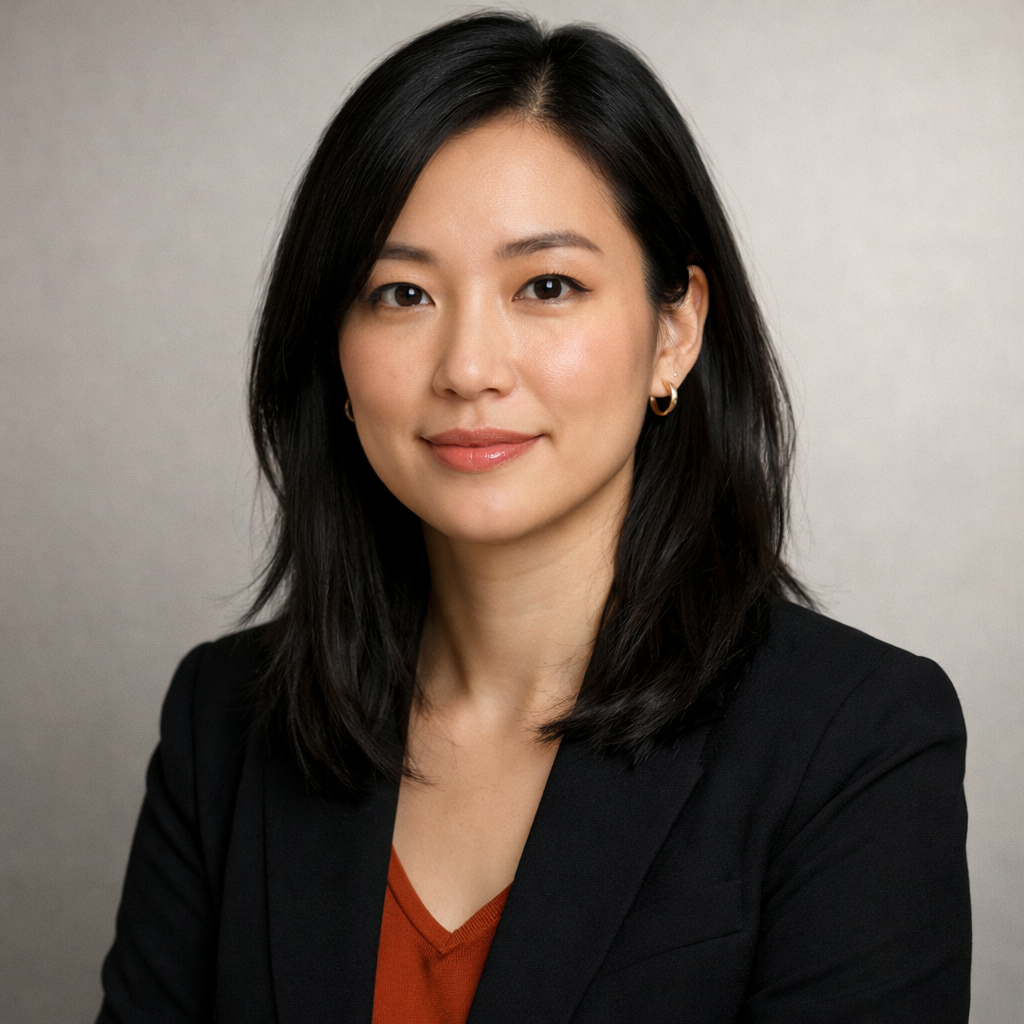
Cultural Critic and Writer
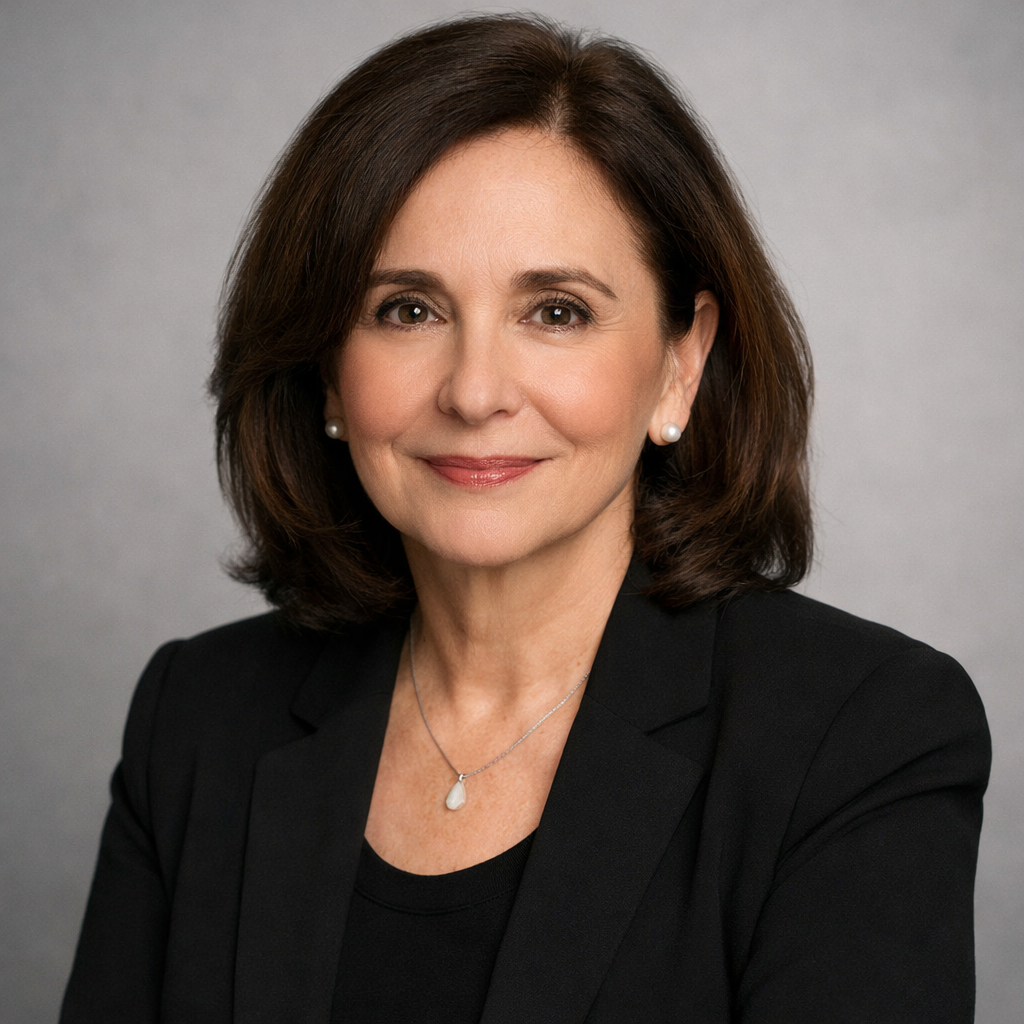
MIT Professor and Author

Author and Journalist
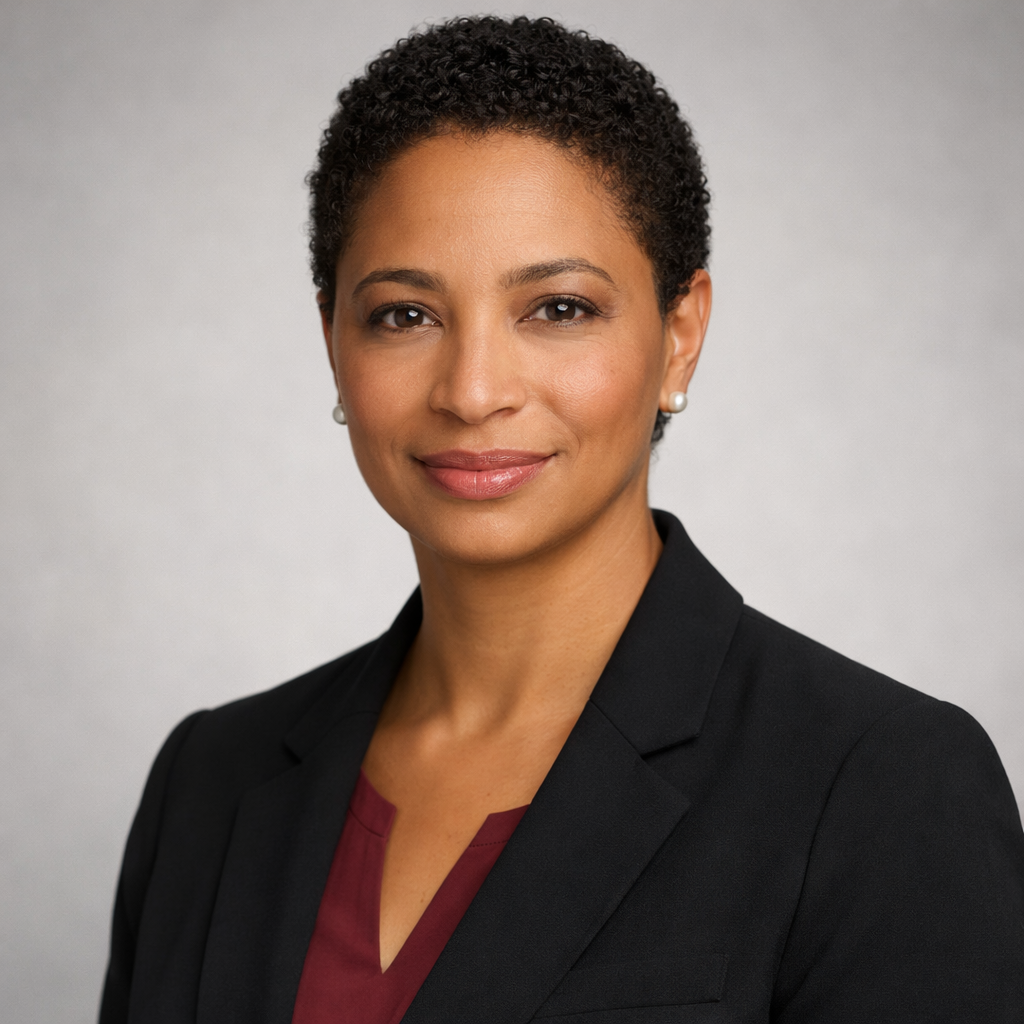
Political Theorist and Author
What do you think?
Cast your vote on this debate.