
Beauty Standards in the Age of Filters: Are We Witnessing the Death of the Natural Face — or Its Renaissance?
Filters have made flawless skin the default and altered faces the norm — but a backlash is brewing. Katie Williams, Dr. Ava Chen, and Marcus Taylor debate whether social media is killing the natural face or inadvertently sparking a renaissance of authenticity and self-acceptance.
Key Metrics
73%
Feel pressure to look perfect
64%
Feel more connected to unfiltered photos
70%
Prefer unfiltered brand experiences
PAGE EXCERPT
Filters have made flawless skin the default and altered faces the norm — but a backlash is brewing. Katie Williams, Dr. Ava Chen, and Marcus Taylor debate whether social media is killing the natural face or inadvertently sparking a renaissance of authenticity and self-acceptance.
TEXTO CON NEGRITAS
Beauty Standards in the Age of Filters: Are We Witnessing the Death of the Natural Face — or Its Renaissance?
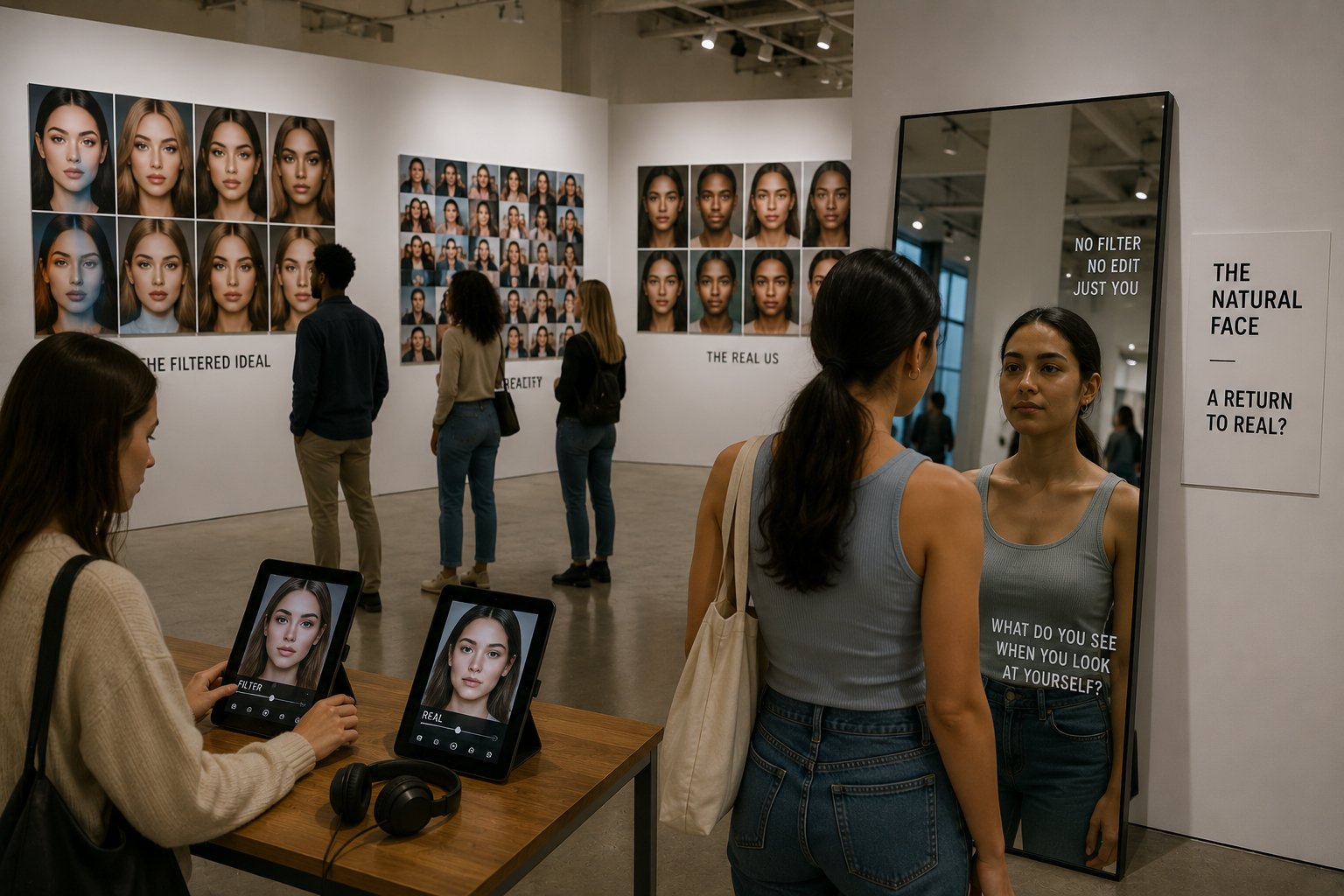
The advent of social media and digital editing tools has undeniably transformed how beauty is perceived in society. With filters and photo-editing apps at their fingertips, users can drastically alter their appearance. But does this mean the natural face is facing extinction, or are we witnessing a renaissance of natural beauty in response to these advancements?
Context: Why This Matters Now
In recent years, the rise of social media platforms has led to an increase in exposure to filtered images. This phenomenon generates a complex dialogue surrounding beauty standards, mental well-being, and self-esteem. As people engage with curated online identities, it prompts critical questions about authenticity and the repercussions of living in a filtered world. Addressing this issue is timely as conversations around self-acceptance, mental health, and authentic personal representation become increasingly relevant.
Expert Viewpoints
Perspective: The Death of the Natural Face
Katie Williams, a social media analyst, posits that the use of filters and photo-editing applications has fundamentally shifted standards of beauty. "Today, the average person is inundated with images that have been heavily altered," Williams states. "This constant exposure fosters a culture where natural beauty is not merely downplayed but often rendered invisible."
Williams highlights statistics that demonstrate the impact of filters on self-image. "Research indicates that 73% of individuals using these platforms report feeling pressure to look perfect, which is far removed from their natural selves." She argues that this pressure can lead to unhealthy comparisons and a diminished sense of self-worth.
Perspective: The Renaissance of Natural Beauty
Advertisements
Conversely, Dr. Ava Chen, a psychologist and author, argues that the visibility of filtered images can catalyze a return to valuing natural beauty. "As people become aware of the heavy editing in social media images, there is a pendulum swing towards appreciating authenticity," Dr. Chen remarks. "More influencers are openly discussing their unfiltered selves, showing imperfections and vulnerability."
Dr. Chen notes that this trend has a palpable impact on mental health. She cites research indicating that 64% of individuals feel more connected to peers who share unedited photos, fostering acceptance. Dr. Chen believes this emerging authenticity promotes a healthier self-image among users.
Perspective: The Marketing and Psychological Intersection
Marcus Taylor, a digital marketing strategist, provides insight into the industry's growing recognition of audience preferences. "Brands are starting to engage consumers with raw, unfiltered content instead of relying solely on polished, idealistic images," he explains. "This pivot reflects a demand for authenticity among increasingly skeptical audiences."
Taylor's observations highlight how brands are strategically leveraging influencer partnerships to portray realistic representations of beauty. "Statistics show that 70% of consumers prefer brands that showcase unfiltered experiences," he states, underscoring a potential shift that could bolster natural aesthetics in branding.
Editorial Synthesis
Where Experts Agree
The prevalence of filters and edited images influences societal beauty standards. Authenticity and vulnerability resonate with audiences, creating a demand for natural representation. Mental health implications arise from constant comparison to edited versions of beauty.
Where Experts Disagree
The trajectory towards natural beauty is debated — is it a temporary backlash against filters or a sustainable shift? The extent to which marketing strategies can reshape consumer perceptions of beauty remains contested. The direct impact of filtered images on individual self-esteem also yields varying interpretations.
Why This Matters
The ongoing discussion around beauty standards in the digital age is not merely a reflection of aesthetic preferences — it has profound implications for mental health, self-esteem, and societal norms. The tension between filtered perfection and natural authenticity is emblematic of a broader cultural shift, raising questions about identity and self-worth in an increasingly digitized world.
Acknowledging this evolution is crucial for fostering a more accepting society, where diverse representations of beauty can coexist. Whether the natural face is indeed facing a renaissance or a slow decline, the conversation around these standards will undoubtedly shape the cultural landscape for years to come.


Editorial Take
Navigating a Dual Reality in Beauty Standards
Cautiously OptimisticWe believe in a renaissance of natural beauty amid evolving standards.
The dichotomy between the proliferation of filters and the rise of natural beauty advocacy presents a complex landscape. While the influence of heavily edited images indeed creates an environment where natural faces may feel overshadowed, this very exposure has spurred a counter-movement emphasizing authenticity and self-acceptance. As more individuals and influencers embrace their unfiltered selves, we may be witnessing not the demise of natural beauty but its evolution. The increasing conversations around mental health and self-esteem signal a growing awareness of the risks associated with unrealistic beauty standards. This shift allows room for a redefining of beauty, one that can co-exist with the allure of filters but celebrates authenticity as an integral part of individual identity. In essence, while challenges remain, the dialogue surrounding beauty standards can lead to a more inclusive and diverse representation.
What do you think?
Cast your vote on this debate.
References
Continue the Debate
Related topics emerging from this analysis:
The Impact of Filter Culture on Teen Self-Esteem
Exploring how constant exposure to filtered images affects the self-esteem and body image of teenagers, including expert opinions from psychologists and educators.
The Role of Influencers in Shaping Beauty Standards
Analyzing how social media influencers contribute to the definition of beauty through their curated images and the implications this has for followers.
Navigating Authenticity: The Rise of Unfiltered Content
Examining the growing trend of content creators who embrace and promote unfiltered and natural images, and how this movement challenges existing beauty norms.
Mental Health and the Quest for 'Perfection'
Investigating the psychological effects of the pursuit of perfection in online spaces and how it influences mental health outcomes for various demographics.