
Fatherhood Reimagined: Are Men Finally Showing Up at Home — or Are We Celebrating the Bare Minimum?
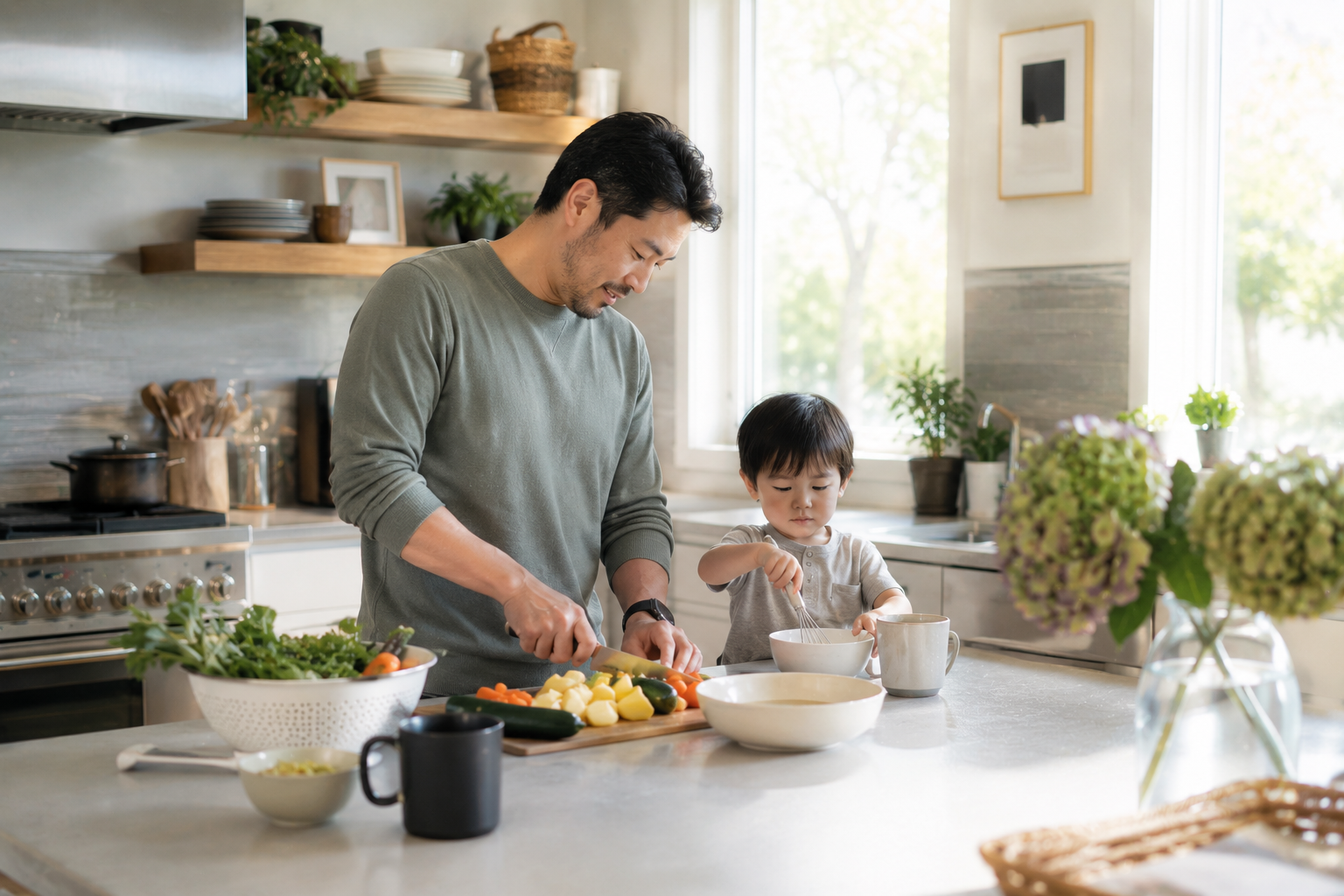
Fathers are more involved than ever — taking paternity leave, doing school runs, changing diapers. But are we witnessing a genuine shift in how men show up at home, or have we set the bar so low that basic parenting gets treated as heroic? Michael Kimmel, Dr. Kaveri Subrahmanyam, and Tony Porter dig in.
Key Metrics
20%
Increase in fathers engaged in childcare in the last decade
65%
Fathers feeling more emotionally connected to their children now
40%
Fathers taking paternity leave recently
In recent years, societal expectations around fatherhood have undergone significant transformations. Men are increasingly encouraged to participate actively in child-rearing, yet questions remain: Are they genuinely stepping up, or is society simply celebrating minimal involvement as a major achievement?
Context
The reimagining of fatherhood comes amid changing gender roles, work-life balance discussions, and an increasing understanding of mental health. With substantial numbers of fathers taking leaves for family care and engaging in child-rearing responsibilities, there seems to be a shift from the traditional breadwinner model. However, the discourse around fatherhood also raises the critical question of whether these changes reflect meaningful involvement or just the bare minimum expected of parents today.
Perspective: Michael Kimmel
Michael Kimmel, a sociologist and author, provides a critical lens on the transformations in fatherhood. He posits that while there is a visible trend of fathers stepping into more nurturing roles, this change is often superficial.
"We are living in an era where the bare minimum is being celebrated as revolutionary. When fathers take paternity leave or change diapers, it is often viewed as commendable. But these actions should really just be the norm," Kimmel argues.
Kimmel emphasizes that societal pressure can still prompt men to revert to traditional roles, and real change can only be achieved when fatherhood is regarded not as a choice but as an integral part of personal identity. He suggests that a deeper masculine identity, which values nurturing and caregiving, needs to be cultivated.
Perspective: Dr. Kaveri Subrahmanyam
Dr. Kaveri Subrahmanyam, a psychologist and researcher, supports the notion that fathers' roles are evolving but emphasizes that the context surrounding fatherhood is equally crucial. She points out how media representations and cultural narratives continue to shape expectations.
"Fathers are certainly engaging more with their children, but we must educate them about the emotional aspects of parenting, which are often overlooked," Dr. Subrahmanyam remarks.
Her research indicates that while fathers are physically present, they are sometimes emotionally disconnected. Thus, embracing fatherhood's emotional dynamics is as essential as their practical involvement.
Advertisements
Perspective: Tony Porter
Activist Tony Porter lends a critical voice regarding societal narratives surrounding masculinity and fatherhood. He asserts that the conversation around fatherhood must include an examination of harmful masculine norms.
"We cannot forget that the true liberation of fatherhood lies in breaking free from restrictive notions of masculinity," Porter states. His work advocates for rethinking how men perceive their roles as caregivers, promoting a broader understanding of sensitivity and emotional availability in parenting.
Porter believes that challenging traditional masculinity is essential for both men's wellbeing and healthy family dynamics. He stresses the importance of conversations that encourage vulnerability, leading to a more profound connection between fathers and children.
Editorial Synthesis
Where Experts Agree
There is a consensus that more fathers are engaging in childcare activities, which is a positive trend. Experts highlight the importance of emotional connection in parenting, suggesting that physical presence alone isn't sufficient. All three experts agree that reexamining traditional masculine norms is crucial for evolving the concept of fatherhood.
Where Experts Disagree
Kimmel argues that much of the change is superficial, while Dr. Subrahmanyam believes there is genuine progress, albeit not sufficient. Porter emphasizes that celebrating minimal involvement can be damaging, whereas Kimmel suggests that recognition must be placed in context. Different solutions are also proposed — Kimmel focuses on identity change, Subrahmanyam on educational initiatives, and Porter on cultural discourse.
Why This Matters
The implications of how we perceive and engage with fatherhood are profound, influencing everything from family dynamics to societal structures at large. As more men engage with their families, fatherhood can shift away from outdated stereotypes towards a more progressive, emotionally rich model.
However, without recognizing that emotional involvement and challenging traditional masculine norms must go hand-in-hand, society risks continuing to celebrate what is merely the bare minimum. The focus must be not just on presence but on the quality of involvement.
The question remains: Are men truly stepping into their roles as caregivers, or are we merely adjusting our expectations downward? Only ongoing dialogue and active participation can answer this pressing question — helping shape the future of fatherhood for generations to come.
Editorial Take
Redefining Fatherhood: Progress or Patronization?
Cautiously OptimisticWhile progress is evident, we must strive for deeper engagement rather than mere acceptance of minimal involvement.
As societal perceptions of fatherhood continue to evolve, the debate remains whether we are witnessing genuine progress or merely applauding minimal efforts. While the increased visibility of fathers engaging in caregiving roles is commendable, it's crucial to interrogate the depth of this involvement. Experts like Michael Kimmel highlight that celebrating basic parental duties as groundbreaking shifts may undermine the potential for transformative change in fatherhood dynamics. Truly reimagining fatherhood involves moving past superficial milestones and fostering an environment where nurturing is intrinsic to a father's identity. Conversely, Dr. Kaveri Subrahmanyam suggests that while this shift is positive, the pressures of traditional masculinity still loom large, preventing full acceptance of these new roles. If we genuinely wish to see fatherhood redefined, we must advocate for comprehensive involvement, transcending traditional stereotypes, and ensuring that men don’t just participate but embrace the profound responsibilities and joys of parenthood in their entirety.
What do you think?
Cast your vote on this debate.
References
Continue the Debate
Related topics emerging from this analysis:
The Role of Paternity Leave in Shifting Gender Norms
Exploring how paternity leave policies influence men's involvement in parenting and whether these initiatives are enough to foster a new standard for fatherhood.
Fatherhood and Mental Health: The Emotional Burden of Modern Dads
Examining the mental health implications for fathers as they navigate changing roles and expectations, and the support systems available to them.
Cultural Differences in Fatherhood: A Global Perspective
Investigating how fatherhood is perceived and practiced in various cultures around the world, and what lessons can be learned from these diverse approaches.
The Impact of Social Media on Perceptions of Fatherhood
Analyzing how social media platforms shape the narrative around fatherhood and whether they contribute to celebrating meaningful involvement or just the bare minimum.