
Hustle Culture Is Dead. What Replaced It Might Be Worse.
Hustle Culture Is Dead. What Replaced It Might Be Worse. Is the relentless pursuit of productivity and success finally in its twilight? As a backlash...

Key Metrics
64%
Workers reporting burnout
73%
Employees seeking more balance
57%
Organizations implementing well-being programs
Is the relentless pursuit of productivity and success finally in its twilight? As a backlash against hustle culture emerges, a new paradigm is shaping our work environments and personal lives. Yet, many are questioning: what comes next, and is it any better?
Context
The concept of hustle culture—where individuals are esteemed for their grind, long hours, and relentless work ethic—has dominated the last decade. However, as the COVID-19 pandemic reshaped workplace dynamics, the glorification of busyness is beginning to wane. Today, voices advocating for balance and mental wellness are more pronounced, challenging the very foundations of what work-life balance means.
This shift matters profoundly; a society that prioritizes productivity over wellbeing tends to erode mental health, diminish relationships, and increase burnout. The transition to a new cultural paradigm is ongoing and its implications are still unfolding.
Perspective: Cal Newport
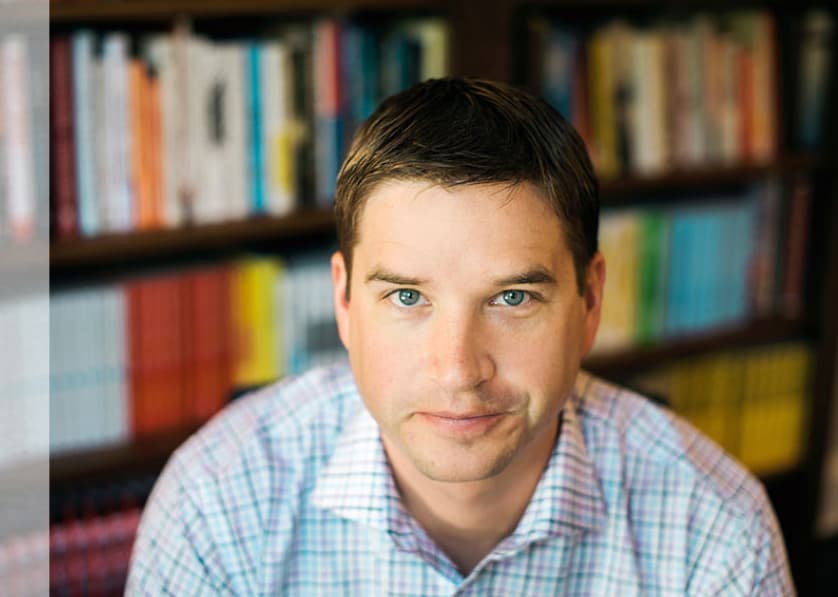
Cal Newport, author of Deep Work, contends that the demise of hustle culture presents both opportunities and risks. He emphasizes that while the pressure to hustle may have evaporated, a lack of focus could lead to even less productivity. "In the absence of a cohesive work ethic," he argues, "people may drift into shallow work—activity that doesn’t lead to meaningful results."
Newport points to the importance of cultivating deep work habits and finding value in concentrated effort. He warns against merely substituting one form of frenzy with another, highlighting that a lack of direction and discipline can lead to dissatisfaction rather than fulfillment.
Perspective: Brene Brown
Conversely, Brene Brown, a researcher and author known for her work on vulnerability, argues that hustle culture often masks deeper emotional issues. In her view, the end of this era allows individuals to confront their self-worth and mental health challenges more honestly. "When we prioritize hustle over humanity, we lose touch with what truly matters—connection and authenticity," she states.
Brown believes that the shift away from hustle culture should be seen as an opportunity to foster resilience through vulnerability. She stresses the importance of embracing imperfection and leaning into emotional difficulty rather than engaging in perpetual busyness as a coping mechanism.
Perspective: Adam Grant
Adam Grant, an organizational psychologist, offers a balanced perspective by acknowledging the benefits of both hustle and the evolving work culture. He argues that while burnout from hustle culture is real, completely discarding it might lead to complacency. Grant states, "The key is to find a middle ground where urgency is aligned with purpose, not mere activity."
According to Grant, the new focus on wellbeing and mental health is crucial but should not come at the cost of ambition. Organizations can promote a healthy work culture by encouraging employees to engage in meaningful work that allows for both personal growth and professional aspiration.
Editorial synthesis
Where experts agree
- The shift away from hustle culture provides an opportunity for better work-life balance.
- Neglecting focus and discipline may hinder productivity and satisfaction.
- There's a need for emotional honesty and vulnerability in the workplace.
Where experts disagree
- Newport sees a potential for a loss in productivity due to a lack of direction.
- Brown advocates for vulnerability as a necessary emotional step, while Newport emphasizes discipline and focus.
- Grant suggests finding a balanced approach that doesn’t entirely renounce the positive elements of hustle.
Why this matters
The dissolution of hustle culture should invoke a critical examination of how modern work environments are structured. The opportunity for a healthier balance is not simply about reducing hours but enhancing the quality of work and relationships within organizations. Just as experts have illustrated, embracing this balance comes with its own set of challenges.
As individuals and organizations transition away from a culture rooted in hustle, they must remain vigilant in developing a framework that encourages both productivity and emotional wellbeing. The risk of replacing one extreme with another is real. The upcoming years will determine whether society can cultivate a workplace ethos that genuinely values quality over quantity, harnessing the optimal blends of focus, vulnerability, and urgency.
In the end, the questions remain: Are we truly ready to embrace this shift towards a more sustainable work culture, or is fear of losing ambition leading us to sow the seeds for a new form of dysfunction?


Editorial Take
Navigating the Post-Hustle Landscape
Cautiously OptimisticWe believe the end of hustle culture can foster meaningful personal growth, provided we cultivate focus and intention.
The decline of hustle culture marks a pivotal shift in how we perceive work and success, yet it invites caution. While the move towards balance and mental wellness is commendable, it risks devolving into complacency if not approached with intention and focus. As thought leaders like Cal Newport warn, the absence of a dedicated work ethic could lead to shallow engagements, undermining the very productivity we seek to cultivate. On the other hand, Brene Brown's insights remind us that this transition also offers a crucial opportunity to address underlying emotional challenges and redefine our self-worth beyond mere output. Striking a balance between ambitious goals and mental well-being is essential. To truly benefit from this cultural evolution, individuals must learn to embrace deep work, while also nurturing their mental health and personal values. In this new era, success should not only be measured by output but also by fulfillment.
What do you think?
Cast your vote on this debate.
References
Continue the Debate
Related topics emerging from this analysis:
The Rise of the Anti-Hustle Movement
Exploring grassroots movements and communities advocating for a complete rejection of hustle culture, promoting slow living and holistic wellness.
Gaming the System: Productivity Tools in a Post-Hustle World
An examination of how productivity apps and tools are evolving alongside the decline of hustle culture, and if they truly enhance work-life balance.
Mental Health vs. Productivity: Finding Common Ground
Discussing methodologies that integrate mental health and well-being with productivity, proposing frameworks for achieving both.
The Future of Work: Flexible Environments vs. Structured Workplaces
Analyzing different workplace models emerging post-hustle culture, comparing fully remote, hybrid, and traditional environments and their impacts on employee satisfaction.