
Is Social Media Making Us More Connected — or Just More Observed?
Is Social Media Making Us More Connected — or Just More Observed? In the era of instant communication and constant connectivity, a pressing question e...
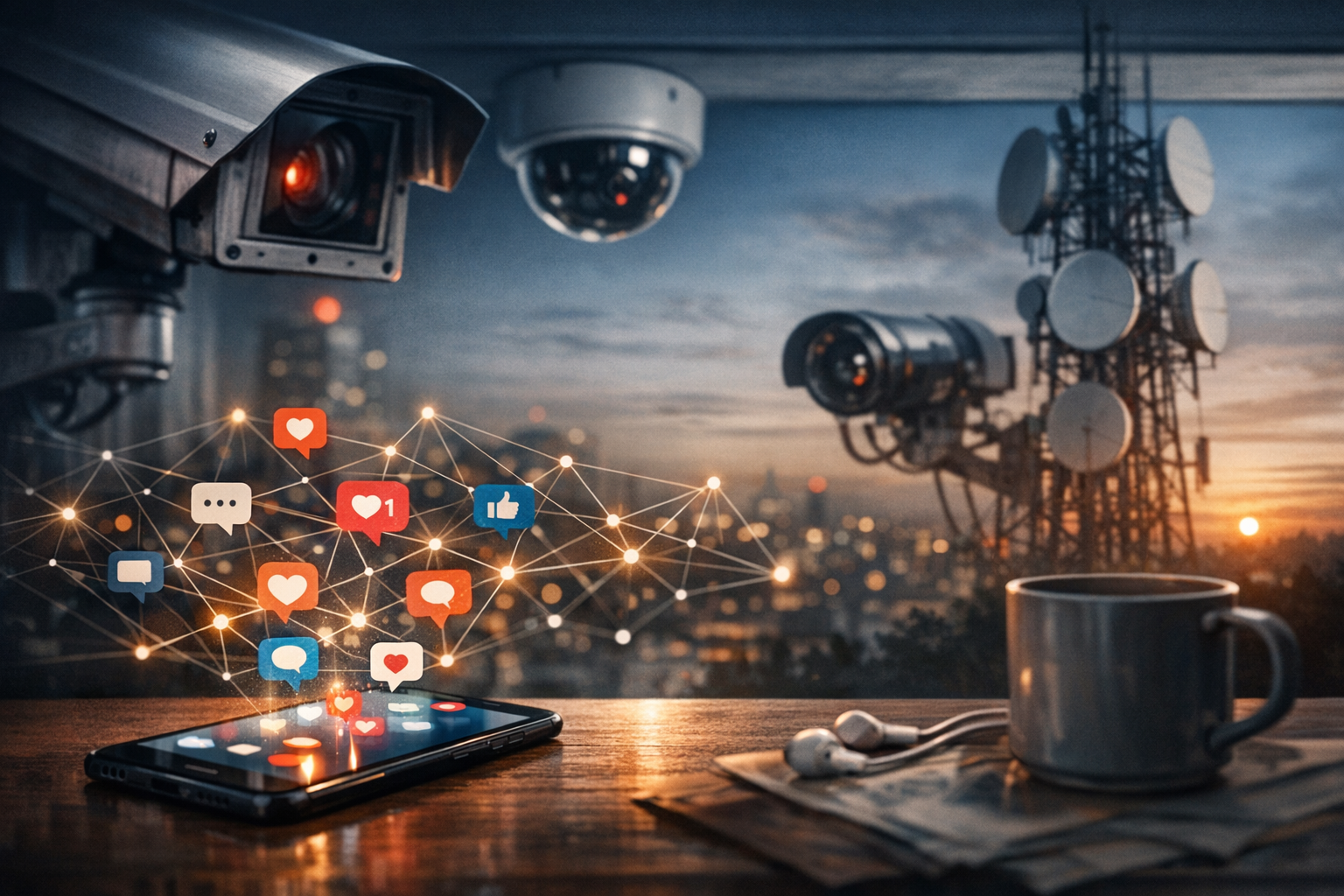
Key Metrics
59%
Adults using social media report feeling less lonely
54%
Users believe social media helps them stay connected with friends
40%
Users experience anxiety related to their online presence
In the era of instant communication and constant connectivity, a pressing question emerges: Is social media fostering deeper connections among individuals, or is it merely transforming our society into one of perpetual observation? As platforms evolve and integrate into daily life, understanding their impacts becomes increasingly crucial.
Context
Social media has surged to the forefront of modern communication, particularly in the wake of global events, such as the pandemic, that necessitated virtual interaction. Whether for sharing experiences, promoting awareness, or staying connected with loved ones, the ubiquity of platforms like Facebook, Twitter, Instagram, and TikTok has ignited debate about their true value. Are these platforms amplifying the human experience, or do they primarily enhance the surveillance mechanisms in our lives? Experts provide diverse insights into this ongoing discourse.
Perspective: Connection
Sherry Turkle, a noted scholar from MIT, argues that social media has immense potential for fostering connections. She asserts, "We can talk to people across the globe in real-time. This ability can create a sense of community that was previously inaccessible." Turkle believes that social media enables individuals to express themselves, finding common ground with people they might never meet in person. This digital community affords support groups and online friendships that can transcend geographical boundaries.
Additionally, Eli Pariser, the CEO of Upworthy, emphasizes the power of social media in promoting awareness and social change. He states, "Social media platforms can bring together movements, unify voices, and highlight issues that matter." The viral spread of pertinent issues illustrates how online platforms can serve as a conduit for significant social interaction and advocacy.
Perspective: Observation
Conversely, Jaron Lanier, a technology pioneer and author, presents a critical view on the nature of these connections. He posits that social media primarily encourages a culture of observation over genuine interaction. According to Lanier, "Platforms often prioritize engagement metrics over human connections, leading individuals to interact less deeply and more superficially." This perspective suggests that while individuals are more connected than ever, the quality of those connections is diluted, replaced with a culture of display where the emphasis is on likes and followers rather than meaningful engagement.
Lanier also points out that the very mechanics of social media drive a model that fosters insecurity and competition. This environment may lead people to curate their lives rather than participate genuinely, as they are increasingly aware of being observed.
Editorial synthesis
Where experts agree
- All experts acknowledge that social media has transformed communication fundamentally, enabling quicker, easier connections.
- They concur that the potential for positive change exists within social platforms, whether in fostering community or promoting awareness.
Where experts disagree
- Turkle and Pariser emphasize the positive aspects of social media in enabling deep connections, while Lanier warns against the superficial nature of online interactions.
- There is division on whether social media predominantly aids or undermines our ability to connect meaningfully with one another.
Why this matters
The debate on whether social media enhances or detracts from our social fabric is vital as society increasingly relies on these platforms for communication. If social media is merely cultivating a culture of observation, we may face a future where interactions lack substance and are driven by algorithmic influences rather than genuine human connection. Conversely, if social media is seen as a means of unifying voices and communities, it could enhance the collective human experience, democratizing information like never before. Ultimately, understanding the implications of these platforms is essential as individuals navigate the complexities of modern life, balancing connectivity with the necessity of authentic interpersonal relationships.
In conclusion, the continuing evolution of social media presents both benefits and challenges that society must address. As individuals engage with these platforms, they must remain cognizant of the dynamics at play, fostering genuine connections while navigating a landscape increasingly dominated by observation and performance metrics. The question remains: Are we more connected than ever, or merely more observed?


Editorial Take
Navigating the Dualities of Social Media
Cautiously OptimisticSocial media holds the potential for connection, but we must remain aware of its surveillance implications.
As we stand at the crossroads of connectivity and surveillance, it becomes clear that social media embodies both possibilities and pitfalls. On one hand, platforms have revolutionized how we forge connections, offering unprecedented opportunities to unite individuals across the globe, share experiences, and galvanize movements for social change. Scholars like Sherry Turkle and Eli Pariser highlight these profound benefits, emphasizing the potential for building communities and raising awareness. On the other hand, experts like Jaron Lanier caution against the darker inclination of these technologies, which may prioritize observation over genuine interaction, cultivating a sense of anxiety and detachment. The reality is that social media is a complex entity that warrants a nuanced understanding. While it can enhance our lives through connection, it simultaneously necessitates vigilant awareness of its invasive tendencies. Ultimately, it is our responsibility to harness its advantages while questioning the implications of perpetual observation inherent in our digital age.
What do you think?
Cast your vote on this debate.
References
Continue the Debate
Related topics emerging from this analysis:
The Duality of Digital Presence: Connection vs. Isolation
Exploring how social media can simultaneously foster connections while contributing to feelings of isolation among users.
Social Media and the Rise of Activism: A Blessing or a Curse?
Investigating the impact of social media on activism—whether it truly empowers movements or leads to performative allyship.
Privacy in the Age of Connectivity: Are We Trading Connection for Surveillance?
Analyzing the balance between connecting with others and the implications of data collection and privacy erosion on social media platforms.
Mental Health in the Digital Age: The Effects of Constant Connectivity
Examining the psychological impact of social media on mental health, particularly regarding anxiety and self-esteem among users.