
Monuments, Memory, and the Right to Forget: Who Gets to Decide What History Looks Like in Public Space?
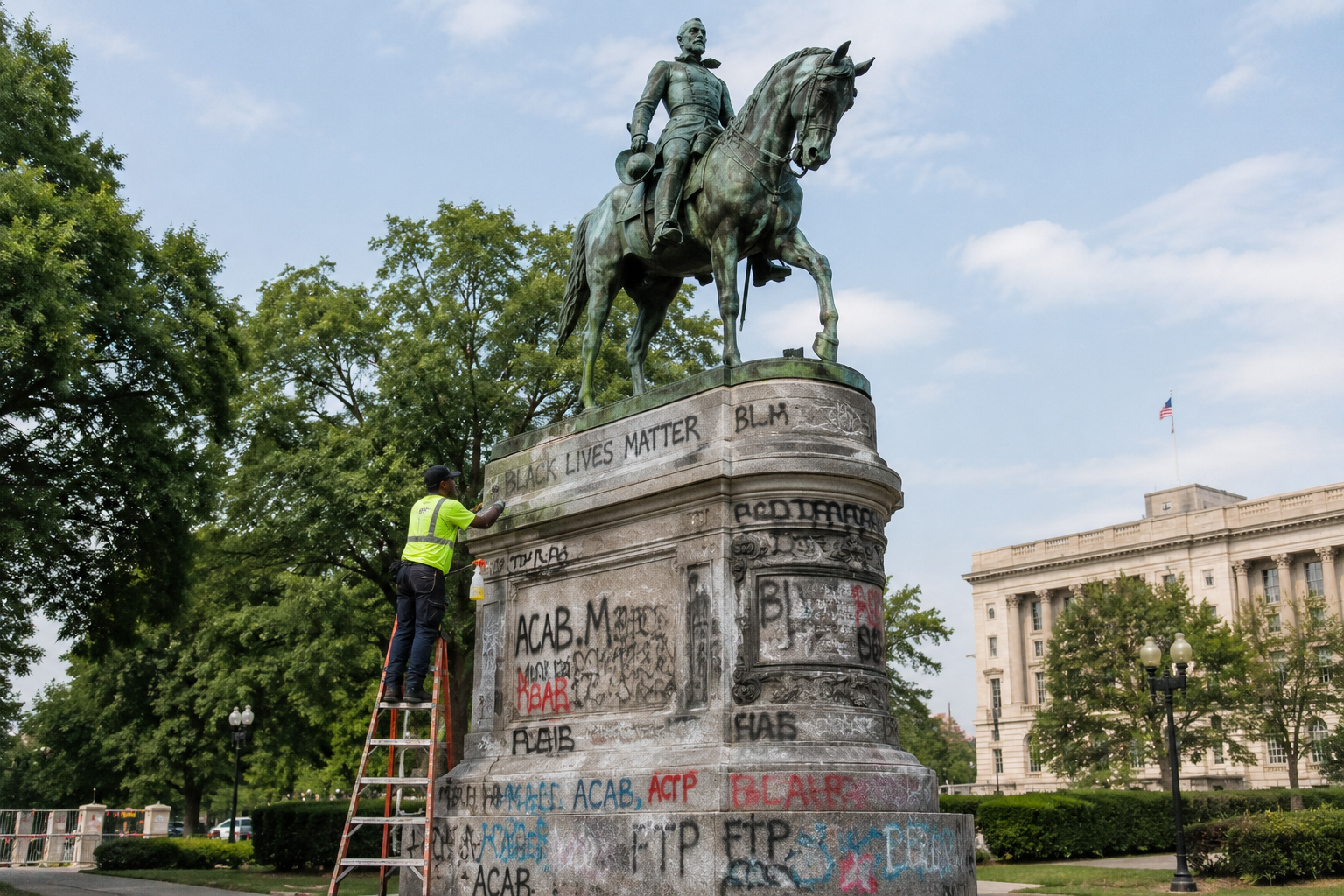
Statues are coming down, debates are heating up, and communities are divided over who controls public memory. Dr. James Young, Dr. Susan Neiman, and Dr. David Frydl examine who gets to decide which moments are commemorated in public spaces — and whether erasing a monument is ever the same as erasing history.
Key Metrics
61%
of people believe that monuments should reflect diverse histories.
48%
of citizens want local governments to involve communities in decisions about memorials.
73%
support educational initiatives on controversial monuments.
As societies grapple with complex legacies of the past, who gets to decide which moments are commemorated in public spaces — and which are erased from public memory? This question looms large in the contemporary discourse surrounding monuments, memorials, and the politics of memory.
Context
Recent years have witnessed a surge in debates over monuments, particularly in the wake of protests against systemic racism and inequality. Items once deemed historical markers are now scrutinized through the lens of societal values, prompting questions of relevance and representation. In an ever-evolving understanding of history, the conflict over public spaces elucidates larger tensions around collective memory and identity.
Expert Viewpoints
Perspective: Dr. James Young
Dr. Young, an authority in memory studies, emphasizes the role of public monuments as vessels of collective identity. He argues that these monuments are not merely representations of history — they also serve as instruments for shaping societal narratives. "Monuments can both preserve and distort memory," he states. Young believes that societies should engage in more inclusive dialogues about their public memorials, ensuring that multiple narratives are recognized. For him, the decision to commemorate or forget particular events should involve broad community consultation, reflecting diverse perspectives rather than those of a select few.
Perspective: Dr. Susan Neiman
Dr. Neiman, a philosopher, brings a moral lens to this discussion. She posits that the act of forgetting history can be as perilous as memorializing painful events without context. "To forget is not to erase reality; it's a distortion of justice and memory," she reflects. Neiman argues for a balanced approach, promoting the need to remember uncomfortable truths while providing spaces for healing and reconciliation. In her view, contemporary societies must weigh the risks of erasure against the necessity for historical accuracy and ethical responsibility in shaping public memory.
Perspective: Dr. David A. Frydl
Dr. Frydl, a historian, underscores the imperative of historical context in memorialization. He warns against presentism — the tendency to evaluate the past solely through the standards of the present. Frydl asserts that while some monuments may represent harmful ideologies, their removal can lead to a loss of learning opportunities. "A monument is a primary source," he states, arguing for educational initiatives that contextualize such monuments instead of erasing them. For him, the conversation should center on how to interpret and understand these symbols rather than simply deciding whether they belong in public spaces.
Editorial Synthesis
Where Experts Agree
There is a need for broader community engagement when deciding the fate of public monuments. Historical context is essential in shaping how societies interact with their pasts. Memory and history are inherently complex, requiring a nuanced approach to public commemoration.
Where Experts Disagree
Young advocates for inclusive dialogues that may lead to the transformation or relocation of monuments, while Neiman emphasizes moral responsibilities that include confronting uncomfortable truths. Frydl promotes educational interpretations of contentious monuments, differing from Neiman's caution against oblivion.
Why This Matters
The debate over public monuments encapsulates significant questions about identity, justice, and memory. As societies grow and change, so do their values — leading to a re-examination of what is publicly honored and remembered. Understanding who decides the narrative of history in public spaces is paramount.
Collective memory plays an instrumental role in shaping identities within communities and influences how current and future generations relate to historical events. The path forward lies in striking a balance between honoring the past, fostering healing, and creating a more inclusive narrative that unites rather than divides.
Key Statistics
61% of people believe that monuments should reflect diverse histories. 48% of citizens want local governments to involve communities in decisions about memorials. And 73% support educational initiatives on controversial monuments.

Editorial Take
Navigating the Complexities of Commemoration
Thoughtfully EngagedWe advocate for inclusive dialogues that shape public memory.
As societies confront their histories, the debate over monuments and memory highlights the fundamental question of who controls public narratives. Dr. James Young's emphasis on community engagement and inclusivity aligns with Dr. Susan Neiman's call for a balanced approach to remembrance. Both perspectives suggest that historical representations should not be the prerogative of a few, but rather reflect broad societal values and experiences. We must strive for public spaces that acknowledge diverse narratives, promoting dialogue around our collective identities while ensuring that painful truths are neither forgotten nor misrepresented. This difficult balance invites ongoing reflection and collaboration, essential for creating monuments that not only honor the past but also shape a more inclusive future.
What do you think?
Cast your vote on this debate.
References
Continue the Debate
Related topics emerging from this analysis:
Memorials for the Marginalized: A Case for Inclusive History
Exploring how public memorials can represent underrepresented groups in history and the impact of inclusive versus exclusive narratives on collective memory.
The Role of Digital Monuments in Shaping Modern Memory
Investigating how digital platforms and virtual memorials can complement or challenge traditional physical monuments in conveying historical narratives.
Public Spaces and the Politics of Justice: Assessing the Role of Community Engagement
Examining how community participation in the decision-making process for public monuments can lead to more equitable representations of history.
From Statues to Schools: Rethinking Commemoration in Public Education
Discussing how educational institutions can reflect historical narratives through their curricula and how they physically commemorate history beyond traditional monuments.