
Editorial Take
Reimagining Higher Education: The Shift from Tradition to Innovation
TEXTUNO'S TAKE Reimagining Higher Education: The Shift from Tradition to Innovation The traditional university model is not just evolving; it’s being...
TEXTUNO'S TAKE
Reimagining Higher Education: The Shift from Tradition to Innovation
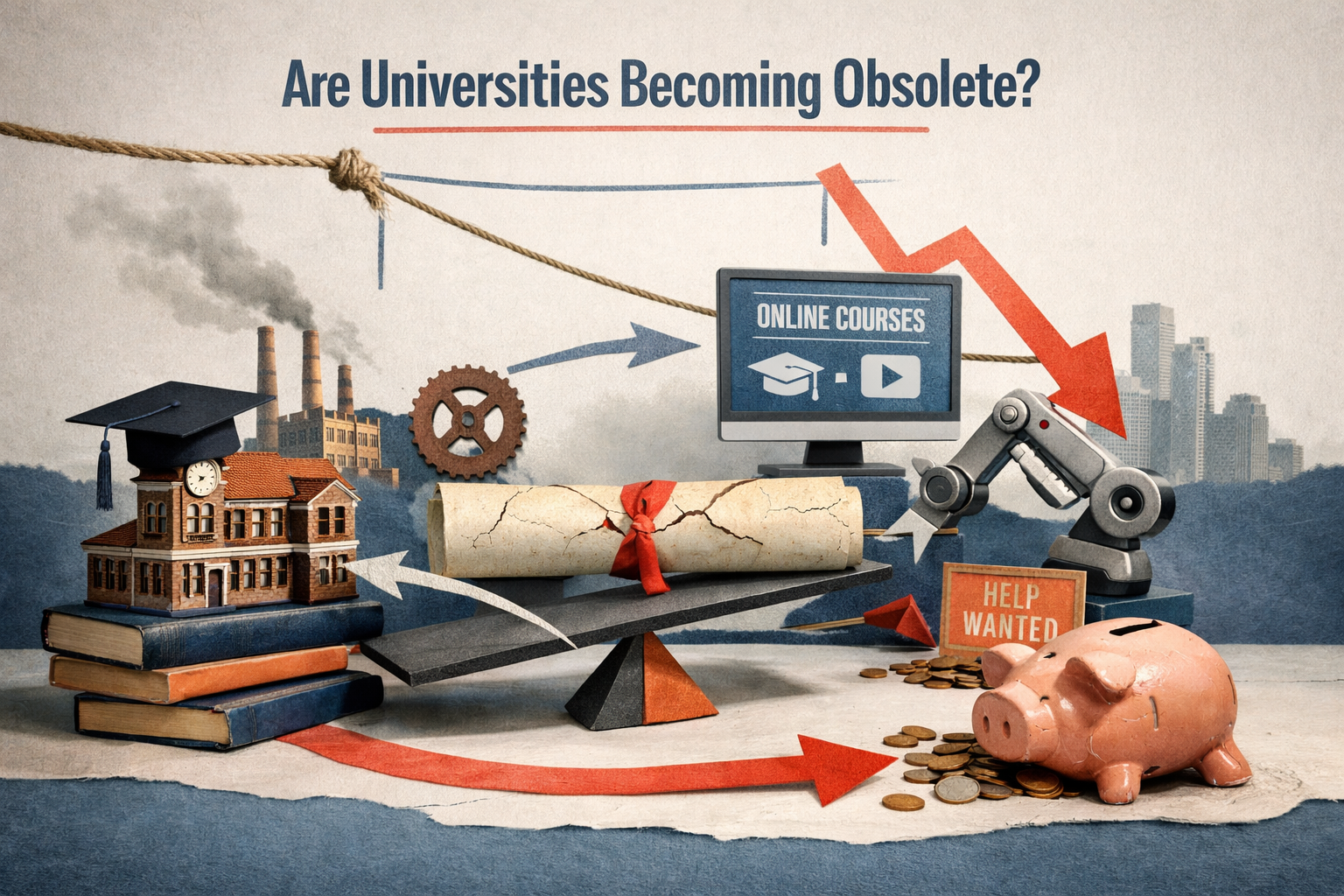
The traditional university model is not just evolving; it’s being fundamentally challenged. As alternative forms of education gain traction, the relevance of conventional universities is increasingly in question.
The Rising Value of Alternative Education
The increasing availability of online educational platforms demonstrates a clear trend: learners are seeking value and accessibility over the traditional college experience. The cost-effectiveness and flexibility these alternatives provide make them appealing to a broader audience. This shift reflects a desire for education that more closely aligns with job market needs, flexibility, and lifetime learning.
- Online courses are often more affordable than traditional degrees.
- Many employers value skills-based assessments over formal degrees.
- A diverse array of subjects and topics can be accessed without geographic limitations.
The Role of Technology in Education's Future
The integration of technology in education is reshaping how we think about learning. Artificial intelligence, machine learning, and personalized education strategies are addressing the shortcomings of one-size-fits-all curricula. This level of customization not only enhances learning outcomes but also prepares students for the future of work, where adaptability is key.
Advertisements
The Future of Universities and Employment
While there are concerns about the devaluation of traditional degrees, there remains a place for universities in society—if they adapt. Universities will need to focus on experiential learning, collaboration with industries, and a stronger emphasis on skills development. Moving forward, they must forge partnerships to ensure that they remain relevant in a rapidly changing job market.
Conclusion
In conclusion, while the traditional university model faces unprecedented challenges, there is an opportunity for evolution rather than obsolescence. By embracing innovation, universities can reposition themselves as invaluable resources for learners in the future.