
Rewilding the Self: Is the Return to Nature a Genuine Path to Healing, or Wellness Culture's Most Expensive Escape?
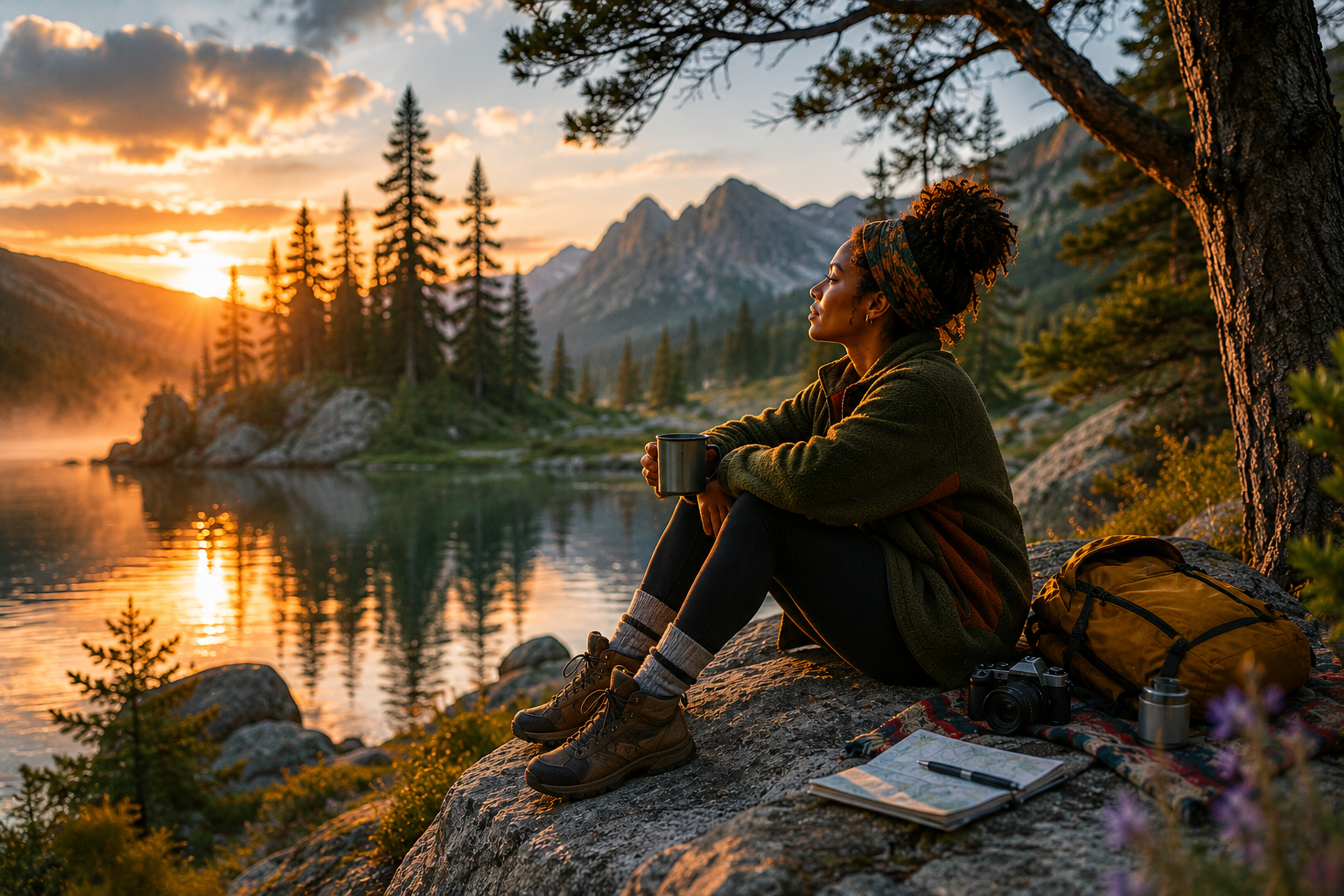
Forest bathing, wilderness retreats, and "rewilding" weekends are booming — but is getting back to nature genuine therapy or just an expensive escape dressed up in wellness language? Richard Louv, Hannah Arendt, and Dr. Julia Griffiths debate what it really means to heal in the wild.
Key Metrics
73%
Individuals Report Reduced Anxiety from Nature Exposure
57%
Therapists Recommend Nature as a Healing Environment
48%
Wellness Industry Growth Rate per Year
As society increasingly grapples with anxiety, technology overload, and disconnection, a provocative question arises: Is the return to nature — a movement often dubbed 'rewilding the self' — a legitimate path to healing, or merely a luxurious escape crafted by wellness culture?
Context: The Relevance of Rewilding Today
With the advent of global crises such as the COVID-19 pandemic and ongoing mental health challenges, discussions about the benefits of spending time in nature have surged. High levels of stress, anxiety, and social isolation are pushing individuals to seek solace outside urban landscapes. Yet as this trend grows, so does the commercialization of nature experiences, leading many to wonder: do these activities genuinely foster well-being, or are they simply a manifestation of a wellness industry eager to capitalize on our vulnerabilities?
Perspective: Richard Louv
Richard Louv, author of Last Child in the Woods, posits that a significant disconnection from nature threatens not only our mental health but also our developmental trajectory as humans. He argues that nature is essential for well-being, particularly for children who grow up in urban settings devoid of green spaces. Louv underscores the therapeutic effects of nature, noting clinical evidence that time spent outdoors can reduce symptoms of anxiety and depression, enhance mood, and improve focus.
"Rewilding the self isn't an escape; it's a return to our roots," Louv asserts, emphasizing the evolutionary bonds that humans share with the natural world. His perspective encourages a proactive approach to integrating nature into daily life — not merely as a retreat but as a fundamental component of a balanced lifestyle.
Perspective: Hannah Arendt
Contrastingly, Hannah Arendt, the late philosopher and political theorist, offers a more critical lens through which to evaluate the rewilding movement. Her writings on human action and the public sphere provide a compelling framework for understanding current trends. Arendt posited that authentic human experiences require engagement with the world, including the societal structures that govern our lives.
From an Arendtian perspective, the return to nature can risk becoming a form of escapism, detaching individuals from pressing social and political responsibilities. "Nature can be a distraction," she might argue, emphasizing that true healing requires confronting, not escaping, human dilemmas. The lure of nature might divert attention from essential societal reforms needed to address systemic issues contributing to individual malaise.
Perspective: Dr. Julia P. E. Griffiths
Advertisements
Clinical psychologist and nature-based therapist Dr. Julia P. E. Griffiths provides a bridge between Louv's optimism and Arendt's caution. Dr. Griffiths advocates for nature therapy as a structured approach to treatment, establishing its significance in mental health through methods that incorporate environmental settings into psychological healing. According to her, research supports that nature's presence elicits physiological responses that can lower cortisol levels and enhance overall emotional resilience.
"Nature is a catalyst for change," Dr. Griffiths asserts, emphasizing its role in restructuring cognitive and emotional patterns. However, she cautions against an overemphasis on nature as a panacea, warning that individuals may romanticize the natural world and fall prey to commercialization. Instead, she calls for a balanced understanding — nature as a facilitator of healing, complemented by other essential therapeutic approaches.
Editorial Synthesis
Where Experts Agree
All experts acknowledge the positive impact of nature on mental health, supported by various clinical studies. There is a shared concern that the commodification of nature could dilute its healing potential, reducing it to mere wellness marketing. A consensus also exists about the need for a multifaceted approach to healing, integrating nature with social engagement and therapeutic modalities.
Where Experts Disagree
Louv advocates for embracing nature as a necessary component of modern life, while Arendt warns that it can serve as an escape from civic responsibility. Dr. Griffiths' focus on structured therapy contrasts with Arendt's more theoretical discourse on human action and societal engagement, highlighting different methodologies in approaching wellness.
Why This Matters
The dialogue surrounding rewilding the self intersects with broader social and philosophical questions about how individuals engage with their environments and responsibilities. As society navigates an increasingly complex and fast-paced world, the allure of nature retreats may become more pronounced. However, stakeholders must ensure that these experiences genuinely foster connection rather than facilitate avoidance.
The narrative of nature as a healing balm requires not just endorsements of its merits but a critical examination of its role in the larger societal tapestry. Ultimately, whether one views rewilding as a path to healing or a mere escape may hinge on individual experiences and societal circumstances. Yet, the call for genuine engagement — both with nature and the pressing issues of humanity — remains paramount.


Editorial Take
Rewilding: A Journey Beyond Escapism
Cautiously OptimisticRewilding can be a genuine path to healing if approached with authenticity and inclusivity.
The debate around rewilding the self highlights an essential truth: returning to nature can serve as both a genuine path to healing and a reflection of wellness culture's commercialization. As we navigate a world fraught with anxiety and disconnection, the therapeutic benefits of nature, as emphasized by Richard Louv, cannot be dismissed. Nature indeed offers a sanctuary, fostering mental well-being and improving our overall quality of life. However, we must remain vigilant about the potential commodification of these experiences, ensuring that our engagement with nature is authentic and meaningful rather than merely a trendy escape. The challenge lies in integrating these restorative practices into our lives sustainably and accessibly. Rewilding the self should not become a luxury reserved for a privileged few, but rather a communal journey that reconnects us with not only nature but also each other.
What do you think?
Cast your vote on this debate.
References
Continue the Debate
Related topics emerging from this analysis:
The Urban Wilderness: Finding Nature in the Concrete Jungle
Exploring how urban environments can be redesigned to incorporate natural elements, creating accessible green spaces that foster well-being without requiring a complete retreat to nature.
Nature Therapy vs. Pharmaceutical Solutions: A Comparative Analysis
Investigating the efficacy of nature-based therapies compared to conventional mental health treatments, analyzing case studies and clinical evidence for both approaches.
The Costs of Rewilding: Is Nature Healing Only for the Wealthy?
Examining the accessibility of rewilding experiences, questioning whether these opportunities are economically feasible for the average person, and exploring alternatives.
Digital Detox: Integrating Nature into a Tech-Driven World
Discussing strategies to balance technology use with nature exposure, focusing on how digital tools can enhance rather than hinder our connection to the natural world.