
Deep Dive

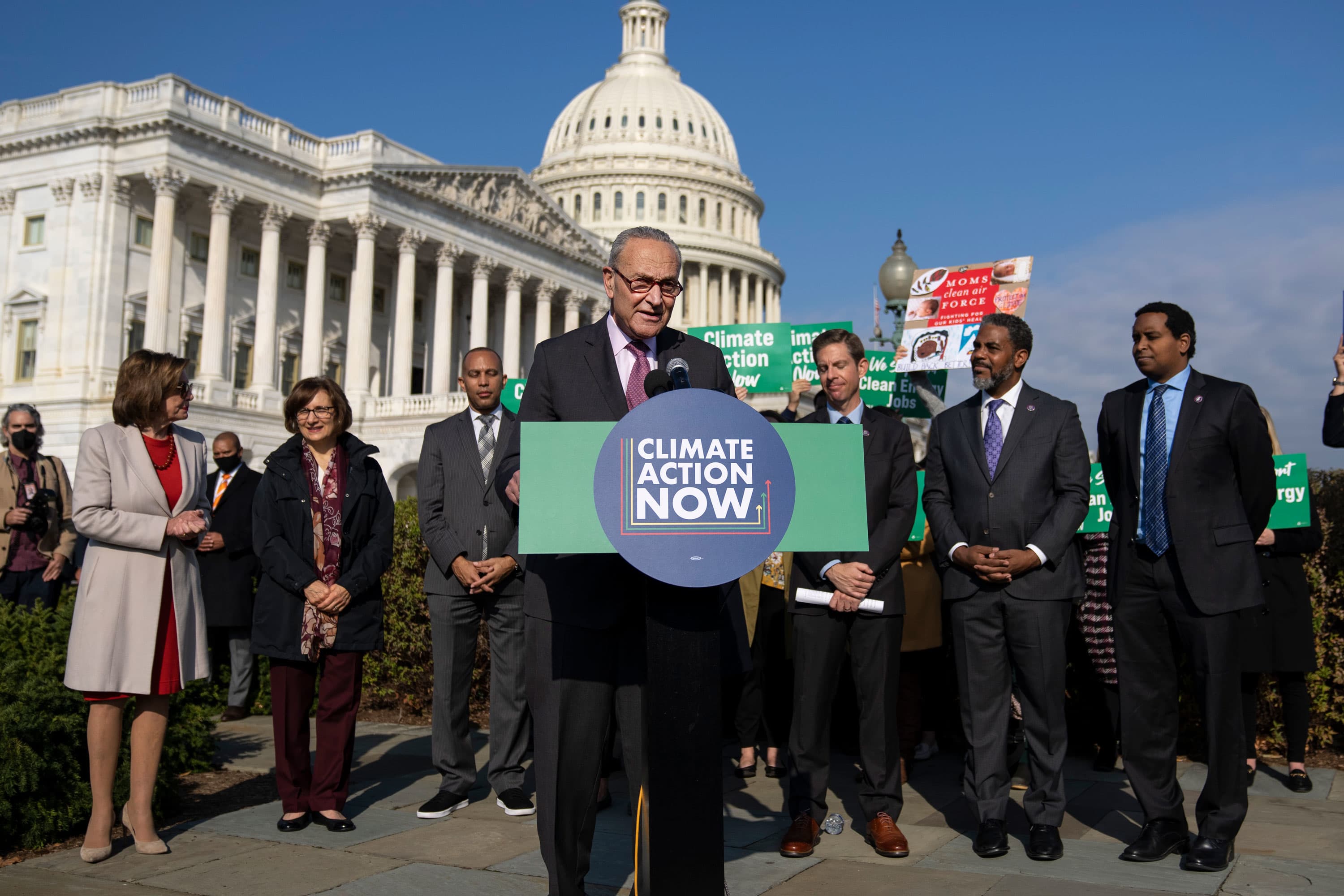
Senate Approves Climate Action Bill After Heated Debate

After months of negotiations, the U.S. Senate has passed a sweeping climate reform bill aimed at reducing emissions by 40% by 2030.
hub

Sarah Jenkins

June 11, 2025 • 1 min read

Senate Approves Climate Action Bill After Heated Debate
After months of negotiations, the U.S. Senate has passed a sweeping climate reform bill aimed at reducing emissions by 40% by 2030.

Overview

In a landmark decision, the U.S. Senate approved a sweeping climate action bill aimed at reducing greenhouse gas emissions and accelerating the nation's transition to clean energy. The legislation, which passed after weeks of intense debate, includes historic investments in renewable energy, electric vehicle infrastructure, and environmental conservation. Supporters hailed the bill as a bold step toward meeting the country's climate commitments and addressing the escalating impacts of globa warming.

The path to passage, however, was far from smooth. Senators clashed over provisions related to fossil fuel subsidies, tax incentives, and the timeline for phasing out carbon-heavy industries. Republicans raised concerns about economic consequences and job losses, while progressive Democrats pushed for stronger environmental protections. After several late-night sessions and last-minute amendments, a compromise was finally reached, allowing the bill to pass with a narrow majority.

In a landmark decision, the U.S. Senate approved a sweeping climate action bill aimed at reducing greenhouse gas emissions and accelerating the nation's transition to clean energy. The legislation, which passed after weeks of intense debate, includes historic investments in renewable energy, electric vehicle infrastructure, and environmental conservation. Supporters hailed the bill as a bold step toward meeting the country's climate commitments and addressing the escalating impacts of globa warming.

The path to passage, however, was far from smooth. Senators clashed over provisions related to fossil fuel subsidies, tax incentives, and the timeline for phasing out carbon-heavy industries. Republicans raised concerns about economic consequences and job losses, while progressive Democrats pushed for stronger environmental protections. After several late-night sessions and last-minute amendments, a compromise was finally reached, allowing the bill to pass with a narrow majority.

Environmental advocates and climate scientists have praised the legislation as a necessary and long-overdue move. While acknowledging that more work lies ahead, many view the bill as a turning point in U.S. climate policy. As the bill moves to implementation, focus now shifts to how quickly its measures can be enacted — and how effectively they can curb emissions in the coming decades.

Comments

0 Total

No comments yet. Start the conversation.

Explore More Deep Dives

Exploring the Impact of Generative AI on Business

Deep Dives

Exploring the Impact of Generative AI on Business

DEEP DIVE Exploring the Impact of Generative AI on Business As generative AI technologies evolve, their transformative potential f...

Read deep dive
How Artificial Intelligence Will Affect the Jobs of the Future

Deep Dives

How Artificial Intelligence Will Affect the Jobs of the Future

Artificial Intelligence is rapidly transforming the workforce, reshaping job roles, creating new opportunities,

Read deep dive
Street Art and Muralism as Tools for Social Transformation

Deep Dives

Street Art and Muralism as Tools for Social Transformation

Discover how street art and muralism serve as powerful tools for social transformation by fostering community engagement, challeng...

Read deep dive