
Silence as a Luxury: Has Quiet Become the Ultimate Status Symbol of the 21st Century?
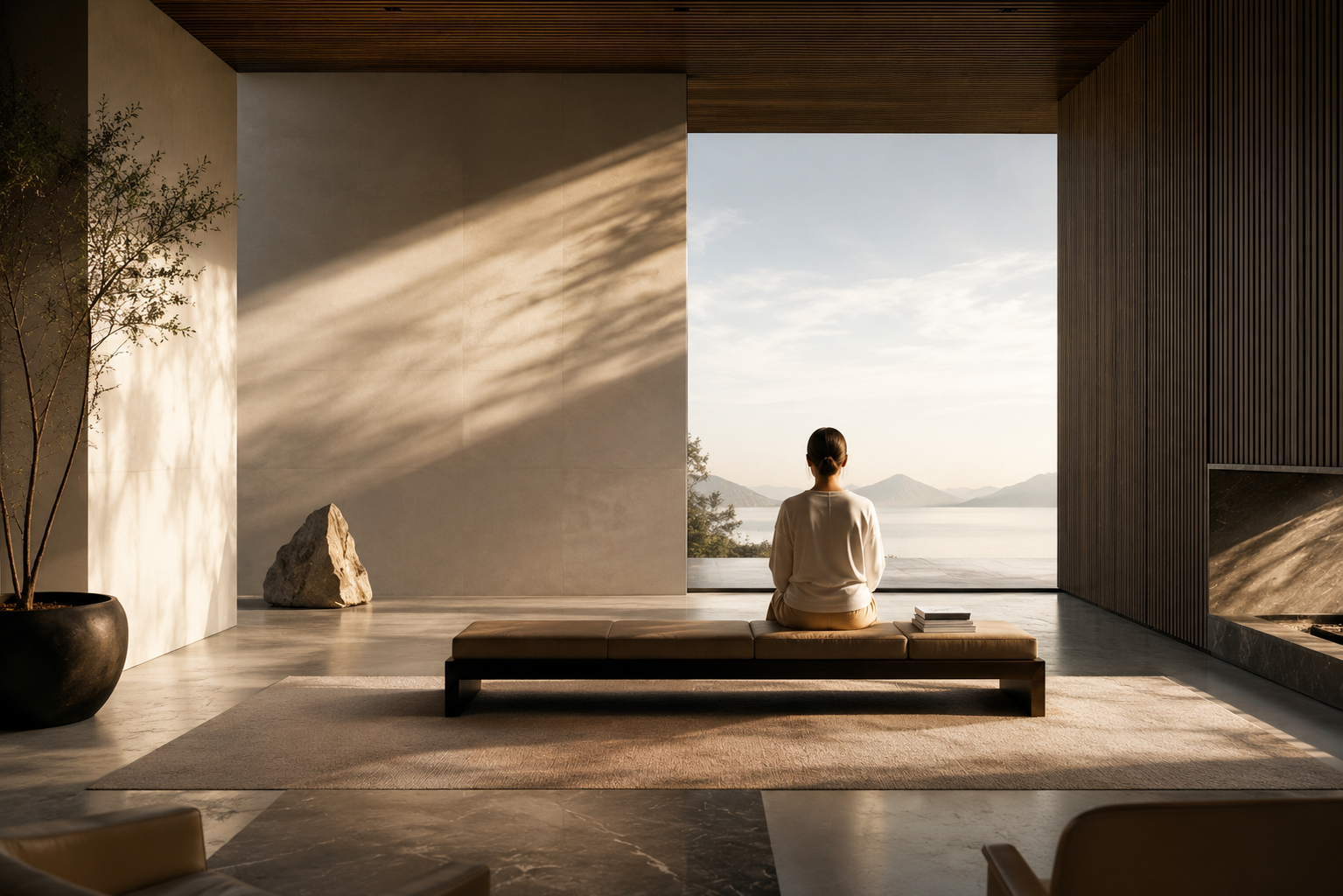
In a world of constant noise, notifications, and urban chaos, silence has become something only some can afford. Juliet Schor, Eric Topol, and Katherine Willis Pershey explore whether quietude is the ultimate 21st-century status symbol — and what it means that not everyone can access it.
Key Metrics
65%
Americans seeking quiet spaces
50%
Rise in people prioritizing silence
71%
Increased reports of stress due to noise
PAGE EXCERPT
In a world of constant noise, notifications, and urban chaos, silence has become something only some can afford. Juliet Schor, Eric Topol, and Katherine Willis Pershey explore whether quietude is the ultimate 21st-century status symbol — and what it means that not everyone can access it.
TEXTO CON NEGRITAS
Silence as a Luxury: Has Quiet Become the Ultimate Status Symbol of the 21st Century?
What does it mean to be affluent in the modern age? While material wealth has long been a marker of status, a new perception is emerging: that of quietness. As societies accelerate towards greater noise pollution and constant connectivity, many argue that silence has become the true luxury of the 21st century. Is quietude the ultimate status symbol in a world perpetually filled with clamor?
Context
The increasing volume of urban life, underscored by the exponential growth of technology and social media, has made silence an increasingly rare commodity. Commuters are no longer just battling traffic — the noise of the city and the pervasive hum of devices bombard our senses. Against this backdrop, silence — or at least the opportunity for respite from noise — holds a new allure.
This conversation matters now more than ever as research highlights the detrimental effects of noise pollution on mental and physical health, making quiet not just a luxury but a necessity for well-being. As more individuals seek solitude and tranquility, the question arises: can silence be commodified as a symbol of prestige?
Expert Perspectives
Perspective: Juliet Schor
Juliet Schor, a professor at Boston College, argues that the desire for silence has deep socio-economic roots. Schor posits that as the stress of modern life intensifies, the pursuit of quiet places has become a marker of wealth. "In affluent communities, access to quiet places is often coupled with amenities that enhance one's quality of life — such as parks, private residences in tranquil settings, and exclusive clubs offering sanctuary from the urban bustle," she explains.
This trend reflects a shift in consumer behavior. People who can afford to escape the city's cacophony are increasingly willing to invest in properties that offer peace and solitude — which Schor identifies as an emerging form of status.
Advertisements
Perspective: Eric J. Topol
Conversely, Eric J. Topol, founder and director of the Scripps Research Translational Institute, emphasizes the health implications of noise and the growing recognition of silence as vital for well-being. Topol suggests that as awareness of the adverse health effects of noise pollution grows — ranging from stress and anxiety to cardiovascular issues — silence may not merely be a luxury but a critical component of a healthy lifestyle.
"People are increasingly prioritizing wellness inversely related to environmental noise, recognizing that silence offers not just peace but also health benefits," he states. In Topol's view, the demand for quiet environments, such as wellness retreats and silent meditation venues, is a reflection of a culture increasingly valuing mental and physical health over traditional markers of prosperity.
Perspective: Katherine Willis Pershey
Meanwhile, author and editor Katherine Willis Pershey takes a more philosophical approach. She views silence as both a literal and metaphorical canvas for introspection. "In an age of constant chatter and distraction, silence becomes a refuge for reflection and creativity," Pershey argues. She suggests that the craving for quietude might not stem solely from a need for escape or luxury, but as a necessary space for personal growth in an overstimulated world. As people seek authentic experiences, silence transforms into a status symbol that reflects an individual's self-awareness and prioritization of inner peace.
Editorial Synthesis
Where Experts Agree
All experts acknowledge that silence has become a comfortable retreat from the demands of modern life. There is consensus on the negative health effects of noise pollution and the positive impacts of quiet environments. As society evolves, there is also a growing recognition that well-being and mental health are paramount, surpassing traditional metrics of wealth.
Where Experts Disagree
Schor views silence primarily through an economic lens, while Topol emphasizes health outcomes, and Pershey explores philosophical angles. Schor also warns that the ability to access quiet spaces is a privilege that may deepen social divides, whereas Topol and Pershey focus less on economic disparities and more on cultural shifts regarding personal well-being.
Why This Matters
As society grapples with unprecedented levels of noise and distraction, the appreciation for silence and solitude has reached an all-time high. Silence is not merely an absence of sound — it captures the essence of inner peace and well-being in a tumultuous world. The hunt for tranquility reflects a broader societal re-evaluation of values, where peace of mind is increasingly recognized as a luxury, bringing to light significant questions about inequality and access.
As we forge ahead into an even more interconnected and noisy future, the question remains: Will our pursuit of silence redefine status in the 21st century? As research continues to unveil the health implications of noise, it will be fascinating to monitor how this pursuit shapes consumer behavior, social dynamics, and individual and collective well-being. The quest for silence may well mirror our broader yearnings for a balanced existence amid the incessant noise of modern life.


Editorial Take
The Quiet Revolution: Embracing Silence as a Status Symbol
Thoughtful AcknowledgmentSilence is emerging as a crucial status symbol, shaping our understanding of luxury in modern society.
In an era defined by constant connectivity and overwhelming noise, the craving for silence has indeed emerged as a potent status symbol. As Juliet Schor points out, the desire for quiet resonates deeply with socio-economic dynamics, reflecting our evolving prioritization of well-being over materialism. This shift not only highlights the stark disparity in access to serene environments but also underscores the urgency for urban planners and policymakers to integrate more tranquil spaces within our cities. As people increasingly lean towards valuing peace, one can hope this cultural movement fosters a broader recognition of mental health, ultimately enriching communities regardless of their economic status. In valuing silence, we may find ourselves cultivating a richer, more inclusive understanding of luxury in the 21st century, where quietude transcends mere privilege and enriches the collective human experience.
What do you think?
Cast your vote on this debate.
References
Continue the Debate
Related topics emerging from this analysis:
The Rise of Soundproof Homes: A New Architectural Trend?
Exploring how the demand for quiet living spaces is reshaping architectural design and influencing real estate choices.
Silence in the Digital Age: How Technology Shapes Our Need for Quiet
Discussing the paradox of living in an increasingly connected world while yearning for silence, and how technology can both disrupt and facilitate moments of quiet.
Mental Health and Noise Pollution: The Hidden Costs of Urban Living
Examining the direct impacts of noise pollution on mental health, including studies and expert opinions on how urban noise contributes to stress and anxiety.
Luxury Retreats: Are Exclusive Getaways Redefining Leisure?
Investigating how high-end retreats focused on solitude and quiet are emerging as a popular trend among affluent individuals seeking respite from their busy lives.