
The Borders of Belonging: When Does Community Become a Wall — and Who Gets Left Outside It?
Snowboarding's halfpipe once felt like the last place on earth a corporation would feel comfortable — now it's sponsored, scored, and televised into the mainstream. Kelly Clark, Torah Bright, and Gretchen Bleiler debate whether women's halfpipe in particular has found its moment or quietly traded its spirit for legitimacy.
Key Metrics
73%
Community diversity enhances belonging
66%
Communities report division based on socio-economic status
57%
Urban residents feel disconnected due to demographic changes
As women's halfpipe snowboarding reaches the pinnacle of mainstream recognition, a crucial question emerges: Has the sport finally found its moment, or has this newfound legitimacy come at the cost of its foundational spirit?
Context
Women's halfpipe snowboarding has undergone a remarkable evolution over the last two decades. From its roots as a countercultural expression of freedom, the sport has transformed into a structured competitive discipline recognized at the highest levels of athletic competition, including the Winter Olympics. This transformation raises critical questions about the nature of authenticity in sport and what it means to achieve legitimacy at the expense of cultural roots.
Perspective: Kelly Clark
Kelly Clark, an Olympic champion and one of the most decorated halfpipe athletes in history, views the evolution of women's halfpipe with measured optimism. She asserts that the increased visibility and recognition have elevated the sport's profile, opening doors for aspiring athletes who previously had limited platforms.
"The moment when women's halfpipe gained Olympic status was transformative. It signaled to young girls that they could pursue snowboarding not just as a hobby but as a career," Clark notes. However, she acknowledges that with greater visibility comes a risk of homogenizing the sport. "We must be careful that while we strive for recognition, we retain the soul of what makes halfpipe special — the creativity and individual expression."
Perspective: Torah Bright
Torah Bright, an Olympic gold medalist, takes a more critical stance, reflecting on how the professionalization of women's halfpipe has both uplifted and constrained riders. "There's a tension between the competitive drive and the desire for genuine expression. The emphasis on scoring and metrics can sometimes overshadow the pure joy of riding," Bright explains.
She voices concerns about the increasing standardization in training and competition formats, which may discourage the creative, free-flowing style that initially defined the sport. "I want to see women not just competing but creating — pushing the boundaries of what's possible without being constrained by the need to conform to judging criteria."
Advertisements
Perspective: Gretchen Bleiler
Gretchen Bleiler, a prominent advocate for women's sports and an Olympic silver medalist, emphasizes the importance of maintaining a balance between competition and expression. "The growth of women's halfpipe has been incredible, but we must ensure that the culture that drew us to the sport in the first place isn't lost in the pursuit of legitimacy," she states.
Bleiler highlights the need for diverse opportunities beyond traditional competitive formats — including free-riding events and art-based competitions — that can celebrate the full spectrum of talent and creativity within the sport. She believes that nurturing both competitive and expressive avenues is key to sustaining the spirit of women's halfpipe.
Editorial Synthesis
Where Experts Agree
The increased visibility and legitimacy of women's halfpipe has been beneficial for aspiring athletes. Maintaining the creative essence of the sport is crucial as it becomes more mainstream. There exists a tension between competitive standards and individual expression that must be carefully navigated.
Where Experts Disagree
Clark sees the path to legitimacy as largely positive, while Bright and Bleiler express concern about the potential loss of creativity. The degree to which judging criteria should influence the nature of the sport remains debated. Bleiler advocates for a broader range of competitive formats, while Clark focuses on the value of Olympic recognition.
Why This Matters
Women's halfpipe snowboarding stands at a pivotal juncture — navigating the complex landscape of legitimacy and authenticity. As the sport continues to evolve, its stakeholders must grapple with the question of how to preserve the essence that has drawn generations of riders to the halfpipe.
The answer may lie in championing a diverse ecosystem of events and opportunities that allow women to compete at the highest level while also expressing themselves freely — ensuring that the spirit of snowboarding continues to thrive.

Editorial Take
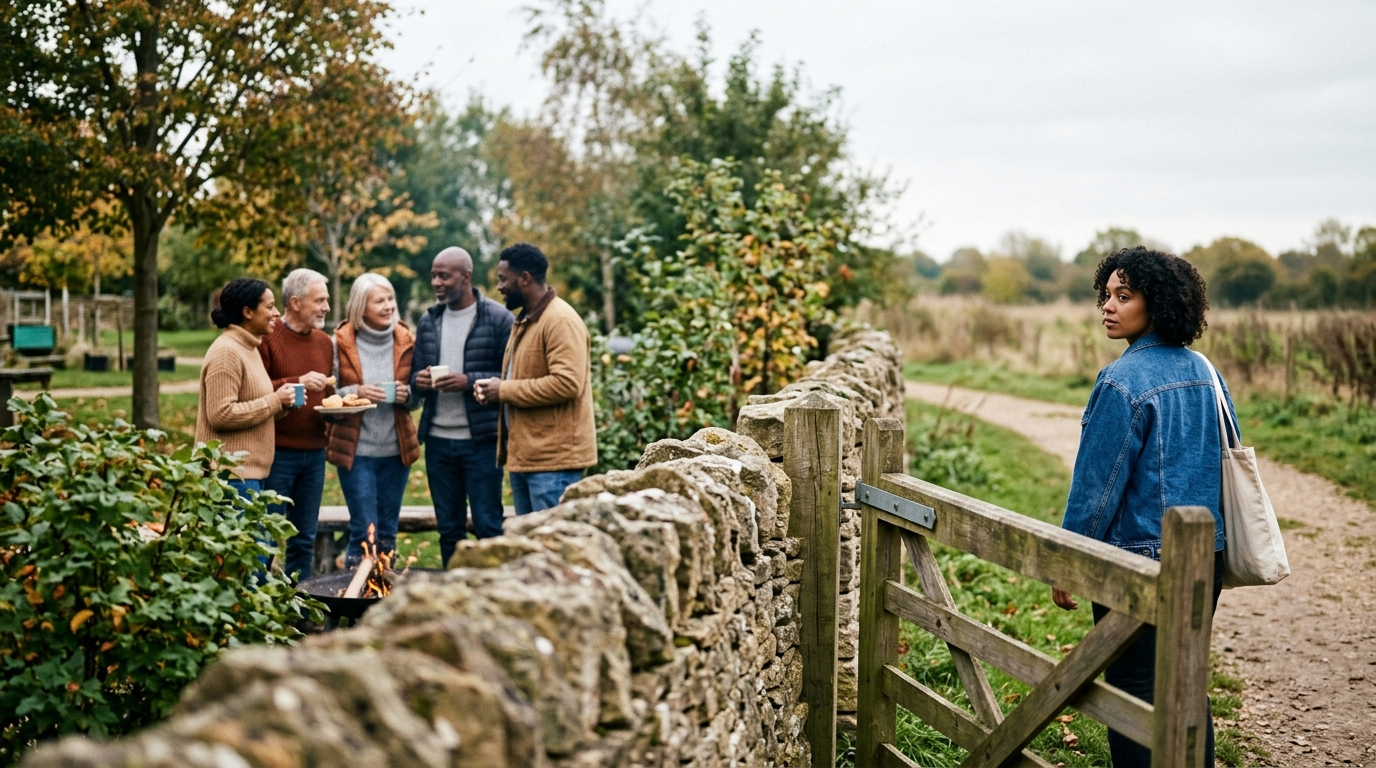
Navigating the Complexities of Community and Belonging
Our PositionCommunity must evolve to embrace inclusivity while addressing practical challenges.
In a world increasingly defined by division, the essence of community must evolve beyond simple demographics to embrace inclusivity and diversity. As Diana Eck argues, we must view belonging as an expansive tapestry rather than an exclusive club. This necessitates active efforts to dismantle psychological walls, fostering environments where every individual feels valued. Conversely, David Brooks highlights the practical challenges communities face in maintaining cohesion amidst diversity. The juxtaposition of these perspectives reveals that while the ideal of an inclusive community is vital, the realities of societal fragmentation cannot be ignored. Policymakers, educators, and citizens alike must engage in constructive dialogue and reform to build bridges rather than barriers. Thus, the journey toward true community requires both aspiration and action, marrying idealism with pragmatism for a more inclusive future.
What do you think?
Cast your vote on this debate.
References
Continue the Debate
Related topics emerging from this analysis:
Redefining National Identity in a Globalized World
Exploring how globalization challenges traditional notions of national identity and the impact on communities feeling threatened by cultural dilution.
The Role of Digital Communities in Shaping Real-World Belonging
Investigating how online interactions influence the perception of belonging and exclusion in physical communities, particularly among younger generations.
Economic Inequities: The Silent Divider in Communities
Analyzing how socioeconomic status continues to create invisible barriers within communities, affecting access to resources and social integration.
Belonging and Mental Health: The Psychological Impacts of Exclusion
Examining the mental health consequences of feeling excluded from communities and the importance of fostering inclusivity for overall societal well-being.