
The Cult of Optimization: Has Self-Improvement Become Its Own Form of Self-Harm?
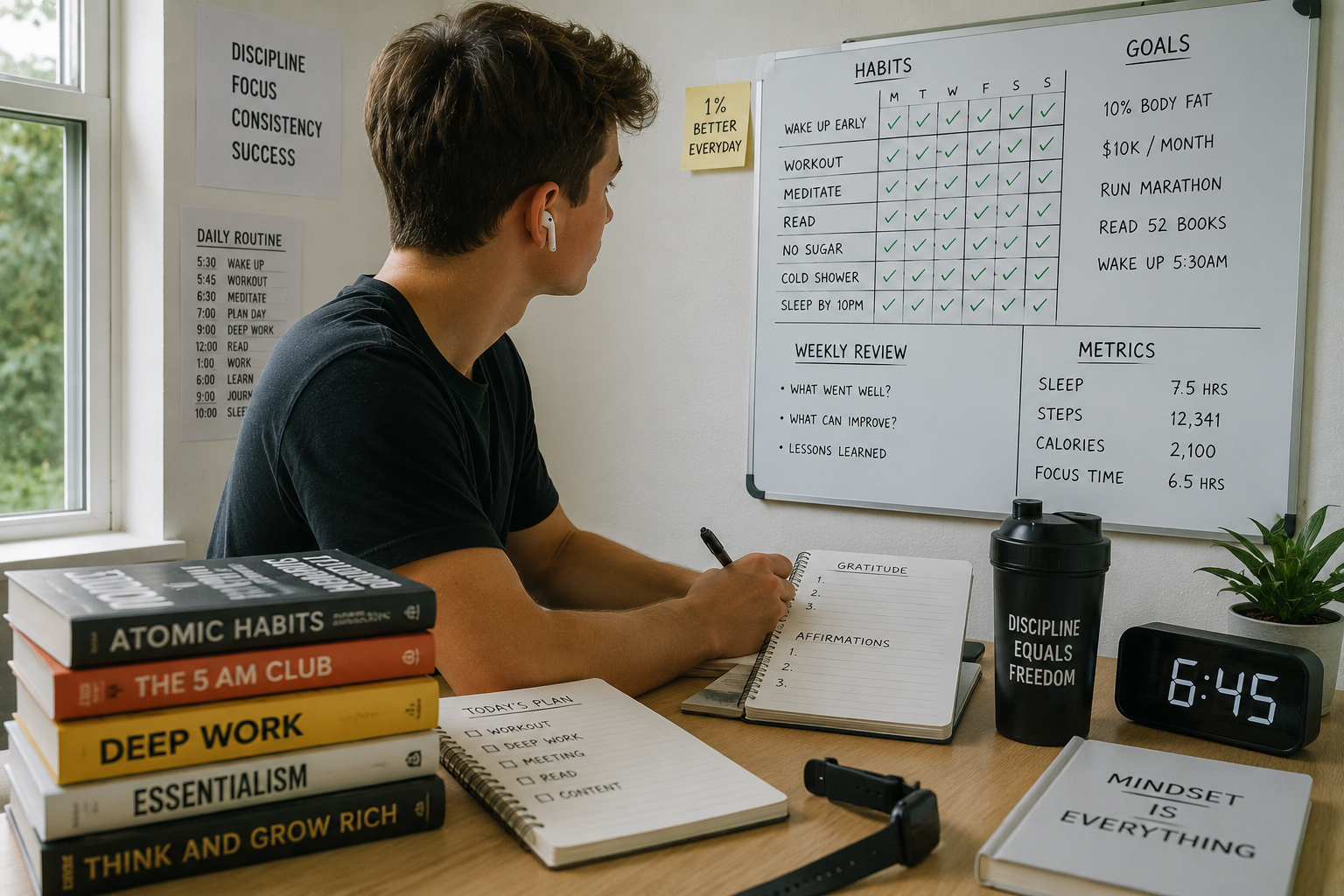
Self-improvement has become a modern obsession. From productivity systems and wellness routines to endless streams of motivational content, people are constantly encouraged to optimize every aspect of their lives. Supporters argue that intentional self-development can increase fulfillment, efficiency, and personal growth. Critics warn that the relentless pursuit of becoming "better" can fuel anxiety, burnout, and chronic dissatisfaction. As the self-help industry continues to expand and social media amplifies unrealistic expectations, the debate raises an uncomfortable question: at what point does self-improvement stop being empowering and start becoming another form of self-inflicted pressure?
Key Metrics
73%
Adults reporting stress/anxiety
$13 billion
Self-improvement industry projection for 2023
20%
Increase in reported burnout cases
The modern self-improvement movement promises a simple proposition:
Become a better version of yourself.
But as productivity systems, wellness routines, and personal development content increasingly dominate everyday life, a more difficult question emerges:
Can the relentless pursuit of self-improvement become harmful to mental health?
In a culture obsessed with optimization, many people are beginning to wonder whether the quest for constant growth is creating more anxiety than fulfillment.
Why This Matters Now
The self-improvement industry has experienced explosive growth in recent years.
Valued at more than $13 billion globally, the industry reflects a broader cultural belief that virtually every aspect of life can—and should—be optimized.
Social media has accelerated this trend.
Every day, users are exposed to:
- Productivity hacks
- Morning routines
- Fitness transformations
- Career advice
- Wellness trends
- Personal growth challenges
The message is consistent:
There is always a better version of yourself waiting to be unlocked.
Yet a growing body of research suggests that the pressure to continually improve may come with unintended consequences, including anxiety, burnout, perfectionism, and declining self-worth.
Expert Perspectives
Dr. Anna Lembke (Psychiatrist, Stanford University)
Dr. Anna Lembke believes that self-optimization can easily become a harmful cycle.
According to her, the pursuit of constant improvement often creates a state of chronic dissatisfaction.
"When individuals are caught in the cycle of continuous self-improvement, they may inadvertently push themselves into a state of perpetual dissatisfaction."
Rather than producing happiness, endless self-assessment can leave people feeling as though they are never enough.
Lembke argues that social media intensifies the problem by encouraging constant comparison.
"This creates a toxic environment where people feel pressured to constantly one-up themselves—or others."
The result can be burnout, anxiety, and an ongoing sense of inadequacy.
When improvement becomes an obligation rather than a choice, personal growth can begin to resemble self-punishment.
Dr. Julie Smith (Clinical Psychologist)
Clinical psychologist Dr. Julie Smith shares similar concerns.
She believes that modern self-help culture often overwhelms people with information.
"People are inundated with information on how they should be living their lives."
With countless books, podcasts, videos, and influencers offering competing advice, individuals may find themselves trapped by too many options.
Instead of taking action, they experience:
- Decision fatigue
- Self-doubt
- Analysis paralysis
- Feelings of inadequacy
According to Smith, the abundance of advice can ironically make meaningful change more difficult.
Sometimes the pressure to improve becomes the very thing preventing progress.
Tim Ferriss (Author and Entrepreneur)
Tim Ferriss offers a more optimistic perspective.
While acknowledging the risks of unhealthy obsession, he argues that self-improvement remains a powerful tool when approached intentionally.
"Optimization is about efficiency and scalability, allowing individuals to reclaim their time and focus on what truly matters to them."
For Ferriss, self-improvement is not about perfection.
It is about creating systems that support sustainable growth.
He believes that small, deliberate improvements can significantly enhance quality of life without creating unnecessary pressure.
"It's not about achieving perfection; it's about creating a framework that allows for growth in a sustainable way."
Ferriss argues that problems arise not from optimization itself, but from comparison and unrealistic expectations.
Growth becomes healthy when it serves personal values rather than external validation.
Editorial Synthesis
Where Experts Agree
Despite their differences, all experts recognize several important realities:
- Excessive self-optimization can contribute to anxiety and burnout.
- Social media amplifies unrealistic standards of success and self-improvement.
- Sustainable growth is healthier than obsessive self-monitoring.
- Personal development should improve well-being, not undermine it.
Where Experts Disagree
Is Optimization Inherently Harmful?
Lembke and Smith view modern optimization culture as carrying significant psychological risks.
Ferriss sees optimization as a valuable framework when applied thoughtfully and without perfectionism.
What Does Healthy Growth Look Like?
Some experts emphasize acceptance and self-compassion.
Others prioritize systems, habits, and measurable improvement.
The disagreement is less about whether growth matters and more about how it should be pursued.
Where Is the Line?
The central debate revolves around identifying the point where self-improvement shifts from empowerment to obsession.
For some, that line appears quickly.
For others, it depends entirely on individual motivations and mindset.
Why This Matters
The discussion surrounding optimization culture reflects a larger challenge facing modern society.
People have more access than ever to tools, information, and strategies for self-improvement.
Yet rates of stress, anxiety, and burnout continue to rise.
This raises an uncomfortable possibility:
What if the pressure to become our best selves is contributing to the very problems we are trying to solve?
Self-improvement can undoubtedly be beneficial.
Learning new skills, developing healthier habits, and pursuing meaningful goals are all worthwhile pursuits.
However, growth becomes problematic when self-worth becomes contingent on constant progress.
When every moment must be optimized, every habit measured, and every outcome improved, there is little room left for contentment.
The challenge moving forward is not abandoning self-improvement.
It is learning to pursue growth without turning life into an endless self-evaluation project.
The healthiest version of self-improvement may not be about becoming more productive, more disciplined, or more optimized. It may simply be about becoming more intentional.


Editorial Take
The Double-Edged Sword of Self-Optimization
Cautiously OptimisticThe pursuit of self-improvement must be balanced with mental health awareness.
The relentless cult of self-improvement poses significant risks to mental health, with many individuals facing increased anxiety and burnout as they strive for an unattainable ideal. While the desire to better oneself is inherently positive, the overwhelming pressure from social media and self-help content can create a cycle of dissatisfaction rather than fulfillment. Dr. Anna Lembke and Dr. Julie Smith articulate a crucial point: as we measure our worth against curated personas, we may inadvertently foster environments that trigger chronic feelings of inadequacy. It's essential to engage with self-improvement thoughtfully — focusing on self-acceptance and balance rather than an endless chase for a perfect self. By recognizing the potential dangers of this optimization-driven culture, individuals can carve a healthier path to personal growth that prioritizes mental well-being over relentless competition.
What do you think?
Cast your vote on this debate.
References
Continue the Debate
Related topics emerging from this analysis:
The Dark Side of Productivity: How Self-Optimization Can Lead to Burnout
An examination of the relationship between productivity culture and mental health, exploring personal accounts of burnout caused by an excessive focus on optimization.
Influencers and Mental Health: The Pressure of Perfect Lives
A deep dive into how social media influencers contribute to unrealistic standards of self-improvement and how this affects their followers' mental health.
Beyond Self-Improvement: The Case for Embracing Imperfection
Exploring the philosophy of embracing one’s flaws and the potential benefits of rejecting the optimization culture for mental well-being.
The Age of Information Overload: Strategies to Combat Self-Help Fatigue
Discussion on the overwhelming nature of self-help content and effective strategies to navigate and filter advice without falling into the trap of constant self-improvement.