
The End of Alone: Has Solitude Become So Uncomfortable That We've Forgotten What It Was For?
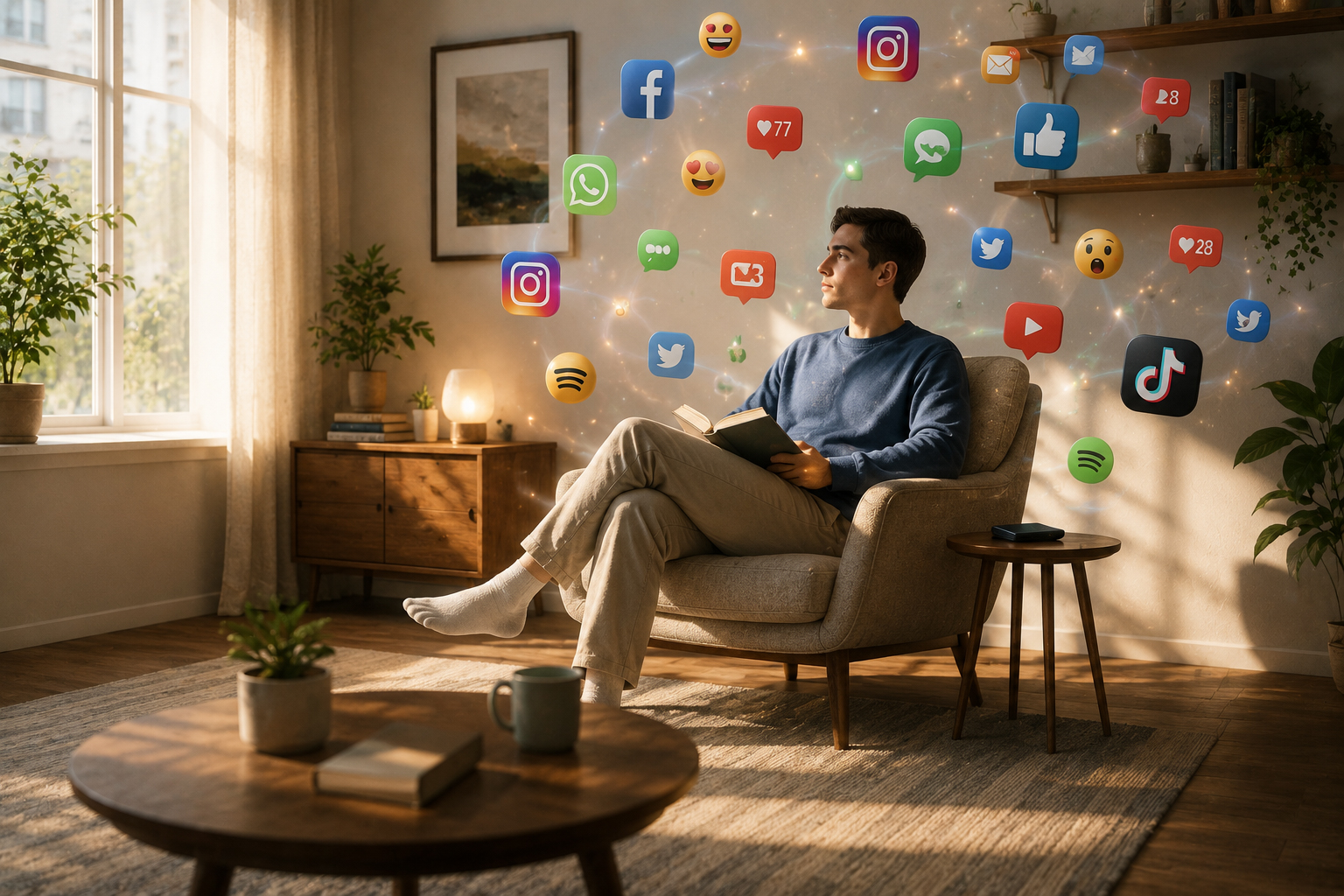
We've filled every quiet moment with a podcast, a scroll, or a notification — and somewhere along the way, being alone started to feel like a problem to solve. Cal Newport, Sherry Turkle, and Susan Cain debate whether we've lost the ability to be alone with ourselves, and what that's quietly costing us.
Key Metrics
67%
of adults report feeling lonely in public settings.
89%
of individuals confess to feeling anxious when completely alone.
54%
of people cite the need for solitude as crucial to creativity.
In an age characterized by constant connectivity and overflowing digital engagements, one pressing question emerges: has solitude become so uncomfortable that we no longer understand its value?
Context
Social media platforms, instant messaging, and video calls, while initially designed to bring individuals closer, have paradoxically fostered a culture where true solitude is increasingly feared. The COVID-19 pandemic, which forced many into isolation, has further complicated perceptions of loneliness and solitude — leading to an urgent reevaluation of what it means to be alone.
Perspective: Cal Newport
Cal Newport, a computer science professor and author known for his work on digital minimalism, posits that the discomfort associated with solitude is deeply rooted in the distractions modern technology provides. Newport emphasizes that individuals have become so accustomed to being constantly plugged in that they have forgotten how to embrace silence and introspection — leading to superficial engagements rather than meaningful connections.
Newport believes that individuals must consciously carve out time for solitude. "To cultivate a rich inner life, one must periodically step away from external stimuli," he asserts. By embracing solitude, individuals can foster creativity and enhance their focus, ultimately navigating a more productive and fulfilling life.
Perspective: Sherry Turkle
Sherry Turkle, a professor of social studies of science and technology, takes a more sociocultural lens on the topic. She examines how the omnipresence of technology has changed not just how we interact, but how we perceive being alone. Turkle's research reveals that many individuals now associate solitude with a threat to their social identity.
"We need to reclaim our inner space. If we do not make room for contemplation, we risk losing ourselves in the noise of constant interaction," she states. Turkle's perspective stresses not merely the value of solitude but the necessity of fostering a culture that respects and encourages quiet reflection.
Advertisements
Perspective: Susan Cain
Susan Cain, author of Quiet and co-founder of the Quiet Revolution, adds another layer by emphasizing the importance of solitude for introverts and creative individuals. Cain argues that while the modern world often champions extroverted behavior, solitude can be a powerful tool for those who thrive in moments of introspection.
"We need solitude for our creativity to flourish. It's in those quiet moments that new ideas percolate," Cain states. By promoting the value of solitude, she encourages society to create environments where both introverts and extroverts can find balance between social interaction and solitary reflection.
Editorial Synthesis
Where Experts Agree
All three experts emphasize the necessity of solitude for personal growth, creativity, and mental health. They recognize the negative impacts of constant connectivity on individuals' ability to engage in meaningful self-reflection. Each expert advocates for the intentional cultivation of solitude in the face of cultural pushback against being alone.
Where Experts Disagree
Newport prioritizes the role of solitude in boosting productivity, while Turkle focuses more on its sociocultural implications. Turkle's approach emphasizes reclaiming inner space from technology, whereas Cain highlights its specific benefits for introverts. Newport frames solitude primarily through a lens of focus and creativity, while Turkle advocates for a broader societal change in perceptions of being alone.
Why This Matters
As society navigates the complexities of modern life, the conversation about solitude becomes increasingly important. By understanding and embracing solitude, individuals may not only improve their mental health but also enhance their creativity and personal growth.
The challenge remains: as we move forward, how do we reclaim our ability to be alone without feeling lonely? The answers may redefine the fabric of our society — encouraging deeper connections with ourselves and, ultimately, with each other.


Editorial Take
Reclaiming Solitude in a Connected World
Cautiously OptimisticReclaiming solitude is essential for personal growth and well-being.
As we navigate the complexities of modern life, it's clear that solitude has been misconstrued as something to be avoided rather than embraced. The insights from experts like Cal Newport shed light on the transformative potential that solitude holds. It's not merely a refuge from the chaos of digital engagement, but a fertile ground for self-discovery and creativity. In a world where distractions abound, making a conscious effort to seek solitude can foster deeper connections and enhance our overall well-being. It's time to rethink our relationship with being alone—not as a precursor to loneliness, but as an opportunity for introspection, growth, and authenticity. By drawing boundaries around our digital lives and prioritizing moments of solitude, we can reclaim its intrinsic value and use it as a tool for achieving a more balanced and fulfilling life.
What do you think?
Cast your vote on this debate.
References
Continue the Debate
Related topics emerging from this analysis:
Reclaiming Solitude: Practices for Modern Life
Explore practical methods and daily rituals individuals can adopt to incorporate solitude into their lives, emphasizing mindfulness, journaling, and digital detoxes.
The Paradox of Connection: Are We More Lonely Than Ever?
Investigate the idea that while technology connects us, it may simultaneously deepen feelings of loneliness, examining the psychological effects of social media on human relationships.
Solitude vs. Isolation: Understanding the Difference
Delve into the distinction between solitude and isolation, exploring how each affects mental health and well-being, and the societal perceptions surrounding both.
The Cultural Shift: How Different Societies View Solitude
Compare cultural attitudes towards solitude across the globe, highlighting how various societies embrace or resist the concept and its implications on community and individual identity.