
The Problem With Empathy: Is Feeling Other People's Pain Actually Making the World a Better Place — or Just Exhausting the People Who Feel the Most?
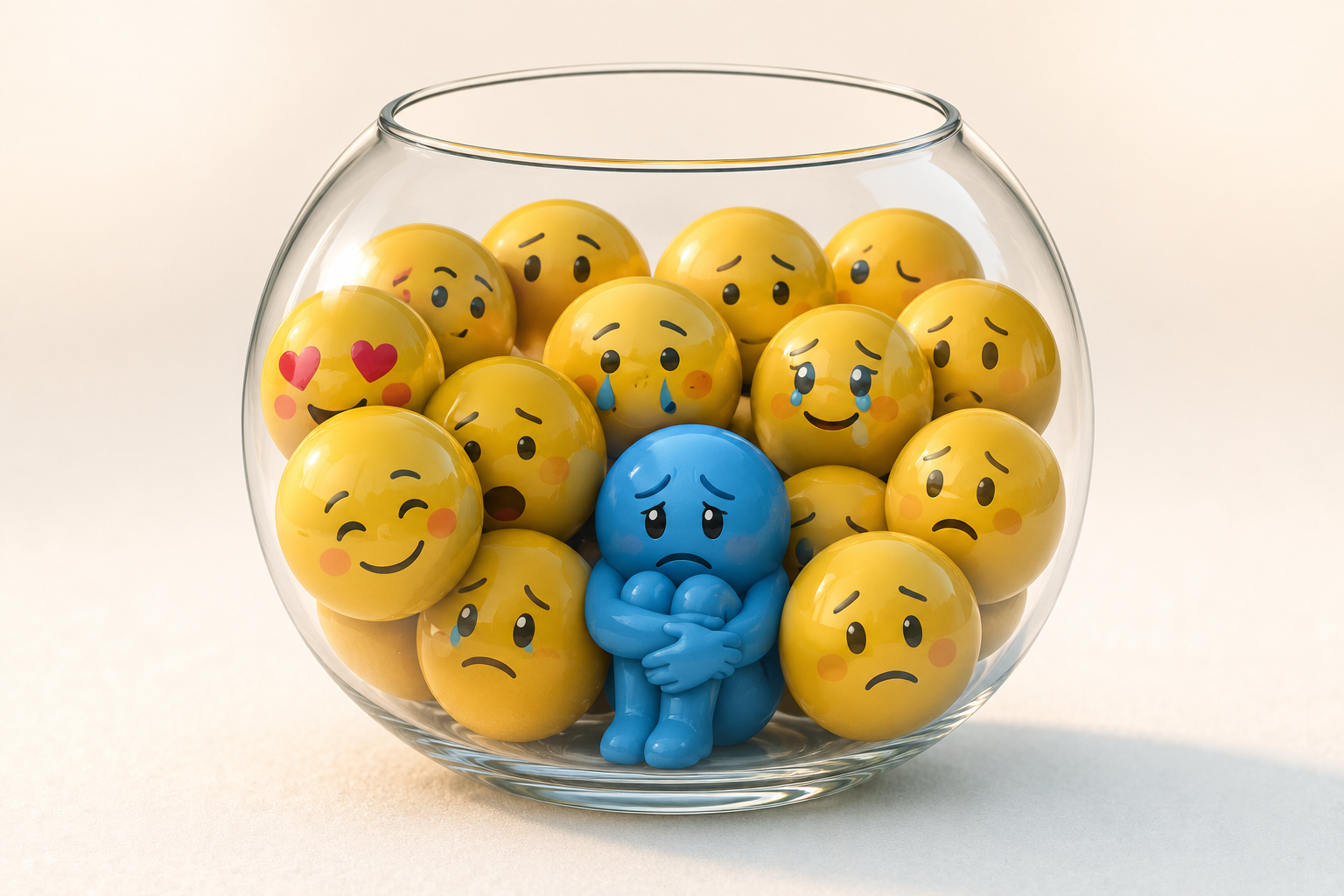
Empathy is supposed to be a moral superpower — but researchers increasingly warn that feeling everyone's pain might be burning out the people who feel it most. Brené Brown, Paul Bloom, and David Brooks debate whether empathy is genuinely making the world better or just exhausting the most compassionate people in it.
Key Metrics
73%
of individuals report feeling more stressed due to empathetic engagement
65%
of people believe empathy can lead to burnout
80%
of experts advocate for a balance between empathy and self-care
In an increasingly interconnected world, the concept of empathy has risen to prominence as a supposed panacea for societal problems. But does feeling other people's pain genuinely usher in positive change, or is it merely draining for those who experience it most intensely?
Context
Social media platforms amplify voices, allowing individuals to connect with pain and suffering on an unprecedented scale. Advocates argue that empathy fosters understanding and compassion, but critics caution that unchecked emotional absorption can lead to burnout and disengagement.
Perspective: Brené Brown
Brené Brown, a renowned researcher and author known for her work on vulnerability and shame, contends that empathy plays a vital role in connecting individuals. She defines empathy as the ability to understand and share the feelings of another, positing that it can be an essential tool for fostering human connection.
Brown acknowledges the potential downsides when empathy becomes overwhelming. She advocates for setting boundaries and emphasizes that true empathy must be balanced with self-care. If individuals are not careful, emotionally absorbing others' pain can lead to what she describes as "empathy fatigue" — ultimately hindering one's ability to help others effectively.
Perspective: Paul Bloom
Conversely, Paul Bloom, professor of psychology and author of Against Empathy, presents a more skeptical view. He argues that while empathy can illuminate the emotional experiences of others, it often distorts our understanding of moral questions and social justice. Bloom posits that empathy is inherently biased — it tends to favor those who are relatable or close at hand, leaving larger systemic issues unattended.
Bloom highlights that excessive empathy can lead to emotional burnout and moral parochialism — focusing on immediate emotional responses rather than rational thought processes that lead to concrete solutions. He champions compassion, which he defines as a more rational, distanced approach to understanding suffering that enables people to act in ways that foster change without the heavy emotional weight that empathy often carries.
Advertisements
Perspective: David Brooks
Columnist David Brooks brings a nuanced viewpoint to the discourse. He suggests that empathy is essential for communal relationships and building societal trust, but warns against the pitfalls of an overemotional approach. While empathy can spur action, it can also lead to divisiveness when people engage solely based on emotional responses rather than informed discussion.
Brooks notes that different contexts may require varying levels of empathy. In social justice campaigns, a strong empathetic response can galvanize activism — yet in complex political discussions, a cooler, more analytical approach might yield better outcomes. For Brooks, the key lies in finding a balance, recognizing that both emotional connection and rational discourse are necessary for effective progress.
Editorial Synthesis
Where Experts Agree
All three experts acknowledge that while empathy plays a critical role in human connections, it can lead to emotional fatigue. Brown, Bloom, and Brooks agree on the importance of balancing empathy with self-care or rationality to avoid burnout. Each expert also recognizes that empathetic responses may be effective in some contexts but problematic in others.
Where Experts Disagree
Brown views empathy primarily as a relational tool, whereas Bloom critiques its biases and limitations. Bloom emphasizes compassion as a rational alternative, while Brown advocates for an empathetic approach with boundaries. Brooks suggests varying applications of empathy based on situation — a nuance Bloom challenges with his more overarching critique of empathy's influence.
Why This Matters
The struggle is not merely theoretical — it has real implications for how communities address issues such as inequality and injustice. The call for emotional understanding must be counterbalanced by a strong foundation of rational problem-solving and self-preservation.
Ultimately, the conversation invites a crucial inquiry: how can we engage with others' experiences meaningfully without losing ourselves in the process? As the world grows ever more connected, finding that equilibrium will be essential for sustainable progress.


Editorial Take
Rethinking Empathy: Finding Balance in Our Connection
Cautiously OptimisticEmpathy needs balance to avoid exhaustion while still fostering meaningful connections.
Empathy, while an essential aspect of human connection, presents a paradox in our hyper-connected world. On one hand, feeling the pain of others can galvanize action and foster understanding, as highlighted by Brené Brown's emphasis on vulnerability and meaningful relationships. On the other hand, unchecked emotional absorption can lead to burnout, as noted by Paul Bloom, prompting a critical need for balance. The challenge lies in cultivating empathy without sacrificing personal well-being. Therefore, fostering a culture that encourages self-care alongside empathetic engagement is vital. Moving forward, we must redefine our approach to empathy—not as an all-consuming emotional investment, but as a balanced interplay of understanding and self-preservation. This nuanced understanding can not only mitigate the exhaustion felt by the most empathetic among us but also ensure that our collective efforts truly effect positive change in society.
What do you think?
Cast your vote on this debate.
References
Continue the Debate
Related topics emerging from this analysis:
The Limits of Empathy: When Feeling Too Much Hurts
Exploring the psychological toll of excessive empathy on individuals and its implications for mental health, particularly in high-stress fields like healthcare and social work.
Empathy vs. Sympathy: Understanding the Nuances
A deep dive into the differences between empathy and sympathy, analyzing how each affects interpersonal relationships and societal dynamics.
The Role of Empathy in Digital Activism
Examining how social media's amplification of voices shapes our perception of empathy, and whether online empathy translates to real-world action or simply virtue signaling.
Cultivating Resilience: Balancing Empathy and Self-Care
Strategies for individuals who wish to remain empathetic without succumbing to burnout, focusing on self-care practices and boundary-setting techniques.