
The Myth of Closure: Is Seeking Resolution After Loss a Path to Healing — or a Story We Tell Ourselves to Avoid Sitting With the Unresolvable?
We're told that healing means finding closure — but what if closure is a story we tell ourselves to make grief feel more manageable than it actually is? Dr. Alan Wolfelt, Dr. Joan Didion, and Dr. Therese Rando debate whether closure is a meaningful goal or a narrative that flattens the real complexity of loss.

Key Metrics
65%
Individuals who seek closure report higher levels of initial relief
30%
Percentage of people who feel unresolved grief years later
75%
Experts believe personalized grief rituals aid in emotional processing
Is the pursuit of closure after experiencing a significant loss a fundamental part of the healing process, or is it merely a narrative we fabricate to avoid confronting the inherent ambiguities of grief?
Context
The concept of closure has permeated popular culture, often portrayed as a necessary outcome following emotional trauma. Yet, in the complex landscape of grief, the expectation for resolution may inadvertently simplify the multifaceted emotional experiences individuals encounter. Experts are now questioning whether closure is an attainable goal or an elusive concept that can sometimes hinder the healing process.
Perspective: Closure as a Necessary Goal
Dr. Alan Wolfelt, the Director of the Center for Loss and Life Transition, advocates for the notion that closure can play a valuable role in the grieving process. According to Wolfelt, closure is something individuals can work toward rather than simply an abstract idea.
"Closure does not mean forgetting; it means acknowledging the loss while allowing oneself to live fully again. It's about finding peace with the past and making sense of one's grief within a new context of life," he argues. Wolfelt believes that through rituals, support systems, and therapeutic practices, individuals can reach a point where they feel at peace with their experiences, facilitating a healthier transition into life after loss.
Perspective: Critique of the Closure Narrative
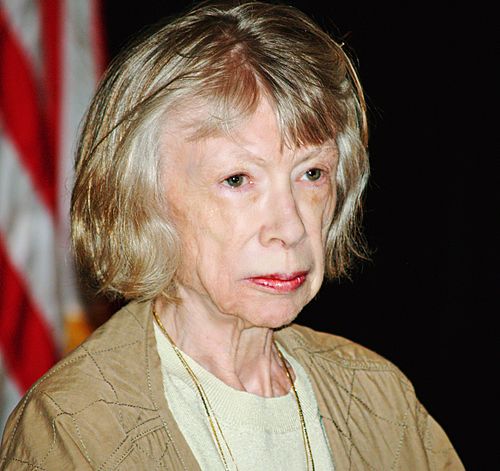
Conversely, Dr. Joan Didion, a renowned author and cultural critic, challenges the validity of closure as a meaningful endpoint. For Didion, closure can be a dangerous narrative that oversimplifies grief.
"To seek closure is to imply that grief is linear, that we can surpass it like a mere obstacle on a path. But grief is an inherent part of our human condition; it is a companion that does not easily part ways," Didion states. She suggests that instead of seeking closure, individuals should embrace the ambiguity and uncertainty that grief brings — allowing for a more authentic experience of sorrow and healing over time, rather than a forced resolution.
Perspective: A Fluid Approach to Healing
Dr. Therese Rando, a clinical psychologist and grief specialist, offers a middle ground. She acknowledges that while the desire for closure may emerge as a natural response to loss, it can be fraught with implications that hinder genuine emotional processing.
"Individuals often oscillate between stages of grief. It's important to validate that one can experience moments of joy and sadness simultaneously. Closure should be viewed as a process — an evolving understanding of one's loss — rather than a definitive endpoint," Rando explains. She believes this perspective fosters resilience, allowing individuals to engage with their grief in a healthier, more integrated manner.
Editorial Synthesis
Where Experts Agree
Grief is a complicated, multifaceted experience that can differ significantly from person to person. The concept of closure, while appealing, may not encapsulate the entirety of the grieving process. Acknowledging emotions — whether happy or sad — is essential for healthy healing.
Where Experts Disagree
Dr. Wolfelt sees closure as a potential goal that can lead to healing, while Dr. Didion contests its utility, emphasizing the role of ongoing grief. Dr. Rando offers a nuanced perspective that advocates for an ongoing, fluid understanding of grief rather than a fixed endpoint.
Why This Matters
Many societal norms pressure individuals into a closure narrative, creating an expectation that they should move on or find peace within a specific timeframe. Yet as loss disrupts lives, embracing the uncertainty associated with grief can lead to more profound personal understanding and growth.
Developing a tailored approach to dealing with loss — with flexibility regarding closure — may not only offer solace but also deepen one's appreciation for the complexities of life and love. Redefining the way we view closure could ultimately open the door to a more compassionate and comprehensive understanding of human suffering and resilience.


Editorial Take
The Complexity of Closure in Grief
Nuanced PerspectiveClosure is a complex journey, not a definitive destination.
The pursuit of closure, while often romanticized in popular narratives, presents a dual-edged sword in the grieving process. Experts like Dr. Alan Wolfelt propose that closure can indeed aid healing by allowing individuals to find peace with their grief. However, Dr. Joan Didion's critique highlights that the expectation for resolution may oversimplify the intricate and ongoing nature of grief. Embracing the ambiguity and recognizing that healing can manifest in many forms — including ongoing connection to losses — may lead to a more realistic and compassionate approach to navigating sorrow. Thus, rather than striving for a concrete sense of closure, we should focus on cultivating resilience, understanding, and acceptance within the emotional landscape of loss.
What do you think?
Cast your vote on this debate.
References
Continue the Debate
Related topics emerging from this analysis:
The Role of Rituals in Grieving: Healing or Hindrance?
Exploring how cultural and personal rituals surrounding loss contribute to the debate on closure, examining whether they facilitate healing or create false expectations for resolution.
Grief in the Digital Age: Can Virtual Memorials Provide Closure?
Investigating how online memorials and social media tributes influence perceptions of closure and remembrance, and their impact on the grieving process.
Comparative Grieving: How Different Cultures Approach Closure
A look at how various cultures conceptualize closure in grief, contrasting Western perspectives with those from different traditions to understand the implications of these beliefs.
The Psychological Impact of Pursuing Closure: Benefit or Burden?
Analyzing the psychological effects of striving for closure after loss, including potential emotional pitfalls and benefits, based on current psychological research.