
The New Illiteracy: Is Emotional Intelligence the Skill We Stopped Teaching the Moment We Needed It Most?
Schools have gotten better at teaching students to code, test, and compete — but emotional intelligence, the skill that determines how people handle stress, relationships, and leadership, barely makes the curriculum. Daniel Goleman, Angela Duckworth, and Marc Brackett debate whether we stopped teaching it exactly when we needed it most.

Key Metrics
73%
of employers prioritize emotional intelligence in hiring
88%
of students report stress as a significant issue due to lack of emotional support in schools
60%
of teachers say they lack training in emotional intelligence education
In an increasingly digitalized and fast-paced world, the decline of emotional intelligence (EI) education raises a vital question: Have we overlooked a fundamental skill just when we need it most?
The Importance of Emotional Intelligence Now
Defined as the ability to recognize, understand, and manage emotions in ourselves and others, EI is often equated with resilience, empathy, and effective communication. The pandemic, social injustices, and economic uncertainty have created an environment where navigating emotions effectively is critical. Yet many argue that schools have placed greater emphasis on academic rigor over emotional teaching, neglecting a skill essential for holistic development.
Research indicates that individuals with high emotional intelligence tend to perform better in social situations, manage stress more effectively, and exhibit improved leadership skills. As industries increasingly prioritize soft skills, the failure to nurture emotional intelligence during formative years may result in a workforce ill-equipped for the complexities of modern collaboration.
Perspective: Daniel Goleman
Daniel Goleman, psychologist and author of the seminal book Emotional Intelligence, posits that emotional intelligence is as crucial as intellectual intelligence (IQ). He argues that EI encompasses self-awareness, self-regulation, motivation, empathy, and social skills — forming a psychological foundation necessary for making wise decisions and building healthy relationships.
"Without fostering these essential emotional skills, we risk cultivating a generation that may excel academically but struggles with interpersonal relationships and self-management," Goleman states. He advocates for curriculum adaptations that incorporate mindfulness and emotional learning, noting that schools are uniquely positioned to enrich students' emotional capacities from an early age.
Perspective: Angela Duckworth
Angela Duckworth complements Goleman's viewpoint by connecting emotional intelligence to perseverance and passion for long-term goals. She asserts that thriving in any field necessitates not just cognitive skills, but also emotional resilience — a component that has been sorely overlooked in traditional education.
"Educational institutions must cultivate not just the mind, but the heart," Duckworth notes. She argues that grit and emotional intelligence both play roles in how individuals persist through obstacles, and that the absence of formal training in these areas may leave students ill-prepared to handle life's inevitable challenges.
Perspective: Marc Brackett
Marc Brackett, Director of the Yale Center for Emotional Intelligence, approaches the discussion with a strong emphasis on the practical implications of emotional literacy. His work centers on developing programs that directly teach students how to understand and manage their emotions. "We need to teach students that emotions can inform decision-making. It's a skill just as critical as reading or math," Brackett asserts.
He believes the traditional view of emotional intelligence as a luxury rather than a necessity has led to its relegation in educational settings — arguing that integrating EI into school curriculums can help students not only navigate their own emotional landscapes but also empathize and collaborate with others effectively.
Editorial Synthesis
Where Experts Agree
Experts unanimously agree that emotional intelligence is a core competency vital for personal and professional success. There is consensus on the necessity of integrating EI into educational curricula. The ramifications of neglecting emotional intelligence can lead to increased mental health problems and ineffective communication.
Where Experts Disagree
While Goleman emphasizes empathetic relationships, Duckworth leans toward grit and perseverance, and Brackett centers on practical applications of EI. They also differ on the best methods of implementation — Goleman advocates for mindfulness, Duckworth emphasizes character-building, and Brackett focuses on emotional analytics.
Why This Matters
Employers increasingly seek individuals who not only possess technical expertise but also demonstrate soft skills — especially emotional intelligence. If educational systems fail to prioritize this skill, they risk producing a generation ill-prepared for the demands of the future.
Ignoring emotional intelligence may soon lead to a societal divide where individuals can excel academically but falter in the very aspects of interaction that forge communities and build connections. The time to act is now.
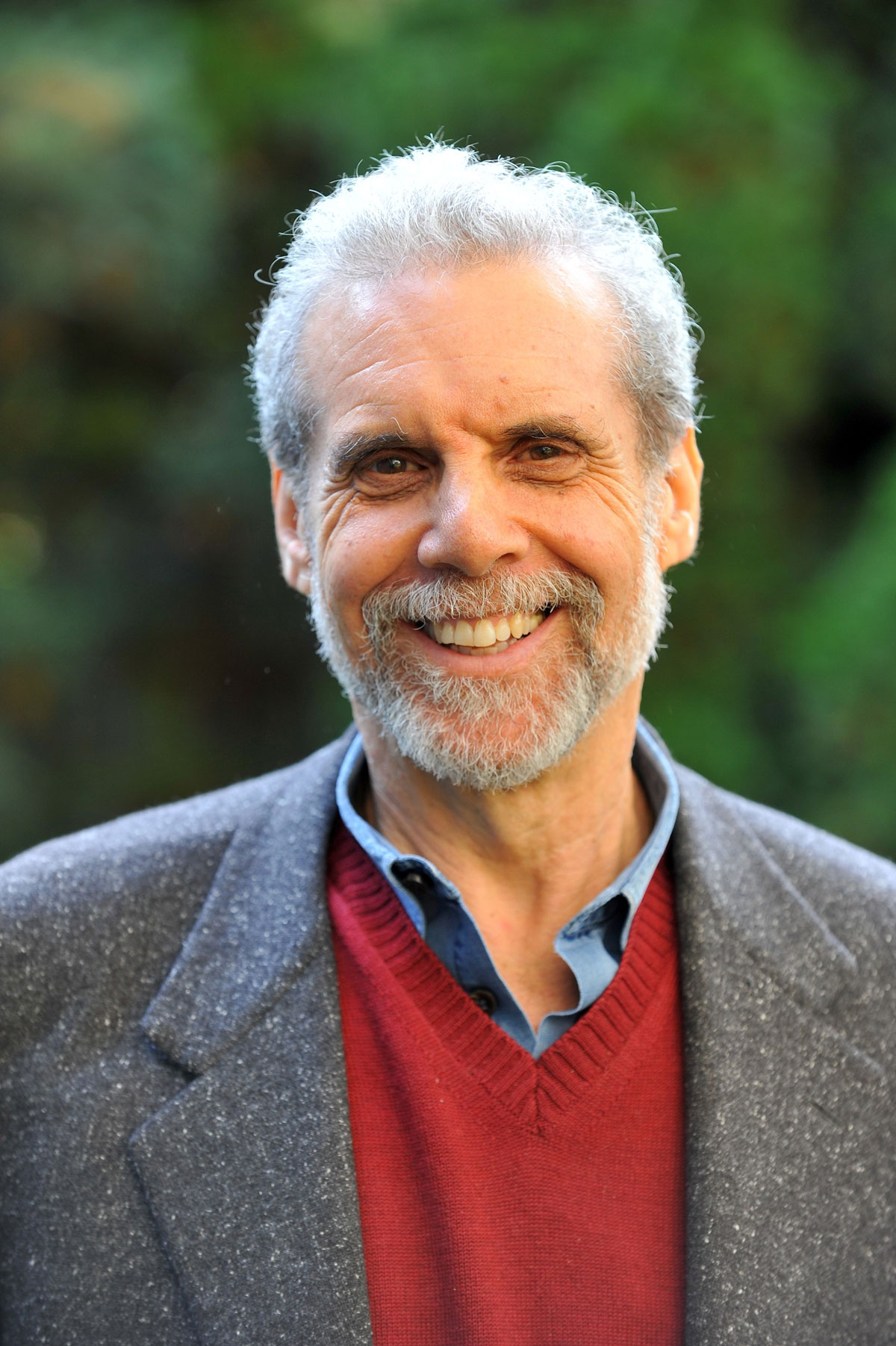


Editorial Take
Reviving Emotional Intelligence Education: A Necessity for Future Generations
EssentialEmotional intelligence must be prioritized in education to prepare individuals for the complexities of modern life.
As we navigate an era marked by rapid change and increasing emotional complexity, it is imperative that educational systems reintegrate emotional intelligence (EI) into their curricula. The current landscape highlights the grave consequences of neglecting this fundamental skill, which is crucial for fostering resilience, empathy, and adaptability in individuals. Experts like Daniel Goleman underscore the equal importance of EI alongside traditional academics, suggesting that success in the modern workforce hinges on our ability to effectively manage emotions. By prioritizing emotional intelligence education, we not only enhance individual capabilities but also create a more harmonious society adept at handling interpersonal challenges. It is time to recognize that education should encompass the emotional dimension of human experience, equipping the next generation with essential skills for both personal and professional success.
What do you think?
Cast your vote on this debate.
References
Continue the Debate
Related topics emerging from this analysis:
Integrating Emotional Intelligence into Standardized Testing
Explore the potential for incorporating emotional intelligence measurements into standardized testing frameworks to assess students' holistic capabilities alongside traditional academic skills.
The Role of Emotional Intelligence in Remote Work
Investigate how emotional intelligence plays a critical role in remote work environments, impacting team dynamics, communication, and productivity in a digital landscape.
Emotional Intelligence and Mental Health: A Double-Edged Sword
Examine the complex relationship between emotional intelligence and mental health, considering whether high EI can sometimes amplify emotional burdens or create unrealistic expectations for emotional regulation.
Cultural Variations in Emotional Intelligence Education
Discuss how different cultures prioritize and teach emotional intelligence, and what lessons can be learned from various educational systems around the world to enhance EI development.