
The Spectacle of Suffering: Has Bearing Witness to Global Tragedy Online Made Us More Compassionate — or Just More Comfortable With Watching?
Every day, suffering from somewhere in the world arrives on our phones — wars, disasters, injustices, all in real time. Zeynep Tufekci, Susan Sontag, and Amanda Ripley debate whether that constant exposure is making us more compassionate and more likely to act, or just more comfortable watching.
Key Metrics
67%
of people report feeling desensitized to suffering on social media
80%
believe that witnessing suffering online prompts them to act
54%
of users say they experience compassion fatigue regularly
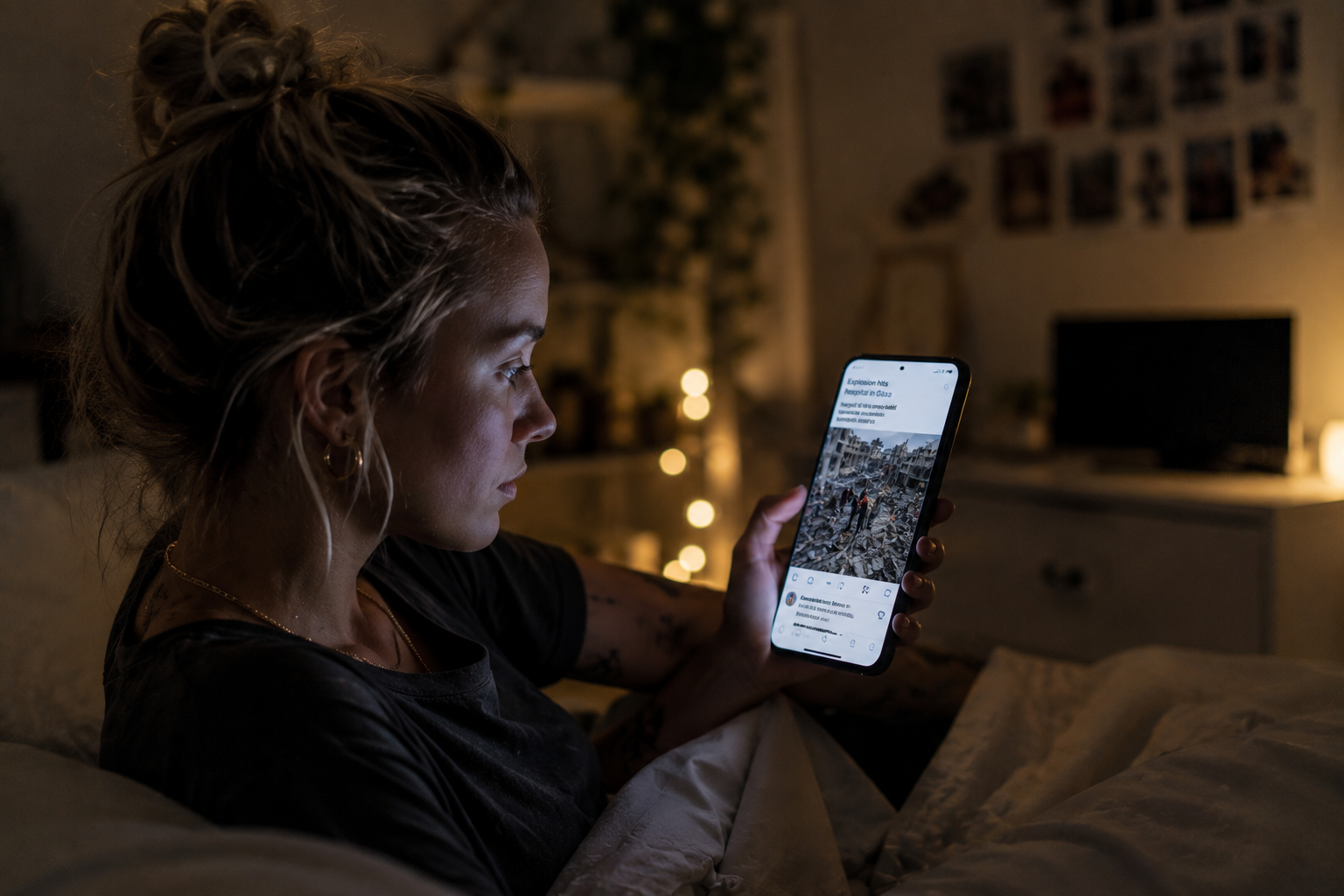
In an age where the world's tragedies unfold in real time on social media feeds, a pressing question emerges: has witnessing suffering online cultivated a deeper sense of compassion, or has it instead fostered a disquieting comfort with passive consumption of suffering?
Context: Why This Matters Now
The rise of digital media has transformed how societies engage with global tragedies, offering unprecedented access to live footage, personal stories, and distressing images. As implicit witnesses to crises, individuals may grapple with feelings of guilt, paralysis, or emotional desensitization. The global pandemic, ongoing international conflicts, and climate disasters highlight the pressing need to evaluate whether our digital witnessing has made us kinder or merely more comfortable spectators.
Perspective: Zeynep Tufekci
Zeynep Tufekci argues that social media has democratized the presentation of suffering. The ability to share and consume testimonies from marginalized voices often overlooked by mainstream media has enhanced public empathy. "When we see real people experiencing real pain, it compels us to act or at least to bear witness in meaningful ways," she states.
Tufekci emphasizes the potential for mobilization initiated by social media — movements like #MeToo and Black Lives Matter have prodded individuals into action through shared personal narratives and collective outrage. However, she cautions that mere exposure might lead to 'compassion fatigue', where repeated exposure dulls the empathetic response over time.
Perspective: Susan Sontag
Cultural critic Susan Sontag presents a more critical view. In her groundbreaking works on photography and war, Sontag questions the ethics of viewing suffering as spectacle. She posits that relentless exposure to tragedies tends to objectify suffering, transforming it into a consumable product. "The viewer becomes a voyeur, desensitized to the pain of others as it becomes a normal part of their daily narrative," she argues.
Sontag's perspective emphasizes that the slick presentation of sorrow online can obscure the very real human experiences behind the images, leading to an unsettling normalization of tragedy.
Advertisements
Perspective: Amanda Ripley
Journalist Amanda Ripley approaches the matter through the lens of emotional resilience. She highlights that witnessing suffering can foster a proactive rather than a passive stance toward tragedy. "When people understand the stories behind the suffering, they become more likely to support solutions rather than simply resign themselves to hopelessness," Ripley notes.
She argues for the transformative potential of storytelling in gaining insights and viewing crises through a connective lens. "Feeling uncomfortable witnessing suffering can lead to action," she concludes, advocating for a nuanced understanding of how digital engagement may lead to genuine compassion, albeit imperfectly.
Editorial Synthesis
Where Experts Agree
Social media democratizes the dissemination of stories about suffering, giving voice to the marginalized. Continuous exposure to suffering can lead to emotional desensitization or compassion fatigue. Engaging with human narratives has potential to inspire action, albeit imperfectly.
Where Experts Disagree
Tufekci sees digital platforms as tools for mobilization and empathy, while Sontag critiques them as vehicles for voyeurism and desensitization. Ripley emphasizes the role of storytelling in fostering resilience and proactive attitudes, whereas Sontag warns against viewing suffering as mere spectacle.
Why This Matters
The duality of engagement — where compassion could be either ignited or eroded — raises essential questions about societal values. As individuals navigate their emotional responses to suffering, it is vital to critically assess how digital witnessing shapes perceptions and actions toward personal and collective grief, justice, and recovery.
Ultimately, the cultivation of genuine compassion in our digital age demands a conscious embrace of empathy, coupled with an awareness of the potential pitfalls of passive observation.


Editorial Take
Navigating Witness and Action in the Digital Age
Cautiously OptimisticWitnessing suffering online can spur compassion, but action is essential to prevent desensitization.
As we traverse the digital landscape, the impact of witnessing global tragedy through social media remains a complex interplay of compassion and desensitization. While individuals are indeed more exposed to diverse narratives and the realities of suffering, this exposure can also lead to feelings of helplessness and emotional numbness. Zeynep Tufekci’s perspective affirms that social media has empowered marginalized voices, fostering empathy and activism. Yet, the lurking danger of compassion fatigue threatens to undermine genuine responses to suffering. As passive observance becomes the norm, it is crucial for us to reclaim the narrative and transform our witnessing into meaningful action. The challenge lies in not just bearing witness but also in mobilizing our compassion towards tangible change, ensuring that the spectacle of suffering does not become a spectacle for mere consumption.
What do you think?
Cast your vote on this debate.
References
Continue the Debate
Related topics emerging from this analysis:
Compassion Fatigue: A Double-Edged Sword
Explore the psychological impacts of constant exposure to suffering online, discussing how empathy can diminish over time and the societal ramifications of this desensitization.
Digital Activism: Is It Enough?
Analyze whether online activism can lead to real-world change or if it creates an illusion of participation that ultimately stalls meaningful action.
The Ethics of Sharing Suffering
Delve into the moral implications of sharing graphic images and personal stories of tragedy on social media, questioning where the line between awareness and exploitation is drawn.
Social Media Algorithms: Amplifiers of Empathy or Apathy?
Investigate how social media algorithms shape our perception of suffering, exploring whether they promote compassionate content or create echo chambers that lead to emotional numbness.