
Editorial Take
Who Benefits Most from the Green Transition?
TEXTUNO'S TAKE Who Benefits Most from the Green Transition? The green transition offers immense potential to reshape our economies and address climate...
TEXTUNO'S TAKE
Who Benefits Most from the Green Transition?
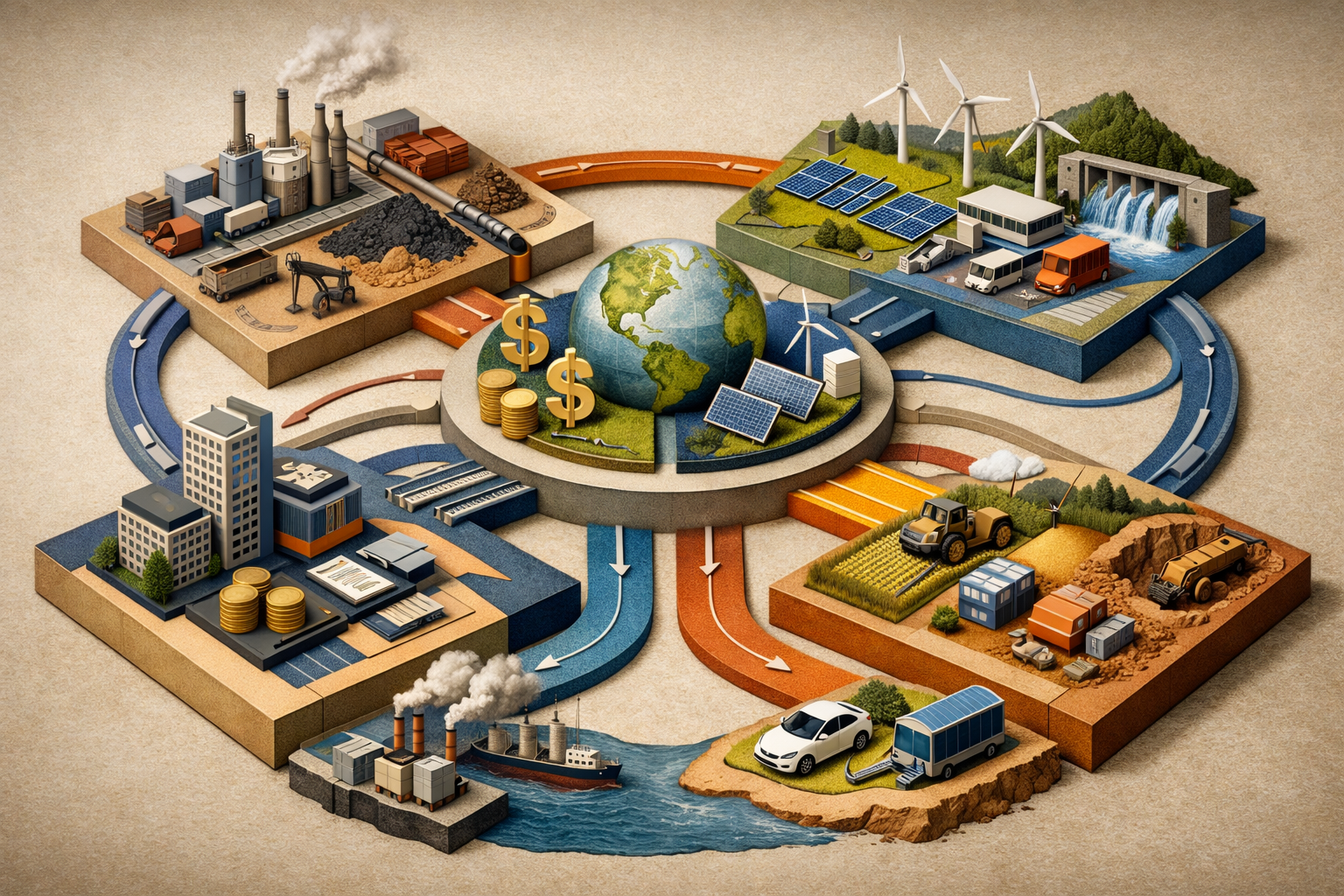
The green transition offers immense potential to reshape our economies and address climate change, but it is crucial to critically assess who stands to gain from these changes. The reality is that without careful planning and equity considerations, we may inadvertently create a system that enriches a privileged few while leaving others behind.
Job Creation and Economic Opportunities
The shift to renewable energy presents an opportunity to create new jobs. However, the distribution of these jobs must be scrutinized:
- Workers displaced from traditional fossil fuel industries may struggle to transition into new roles.
- The availability of training programs is essential to ensure accessibility for all demographics.
- Economic growth from the green transition must prioritize local communities.
The Role of Policy and Regulation
Public policy is pivotal in shaping who benefits from green subsidies and investments. Considerations include:
Advertisements
- Current policies often favor large corporations over small, sustainable businesses.
- Transparency in subsidy distribution can promote fairness.
- Local governments must be empowered to implement policies that address specific community needs.
Global Inequities
This transition raises broader questions regarding global disparities:
- Developed countries pushing green technologies onto developing nations can exacerbate existing inequalities.
- Support for local economies should be prioritized to create a just transition.
- Climate justice frameworks must ensure that vulnerable populations are included in the dialogue.
Conclusion
The green transition, while offering myriad benefits, poses risks of deepening inequalities if not approached holistically. We must ensure that the movement toward a renewable energy economy is inclusive, equitable, and sensitive to the diverse needs of all communities.