
Who Really Benefits from the Green Transition?
FEATURED ANALYSIS Who Really Benefits from the Green Transition? Are we paving the way for equity or inequity in the fight against climate change? The...
FEATURED ANALYSIS
Who Really Benefits from the Green Transition?
Are we paving the way for equity or inequity in the fight against climate change?
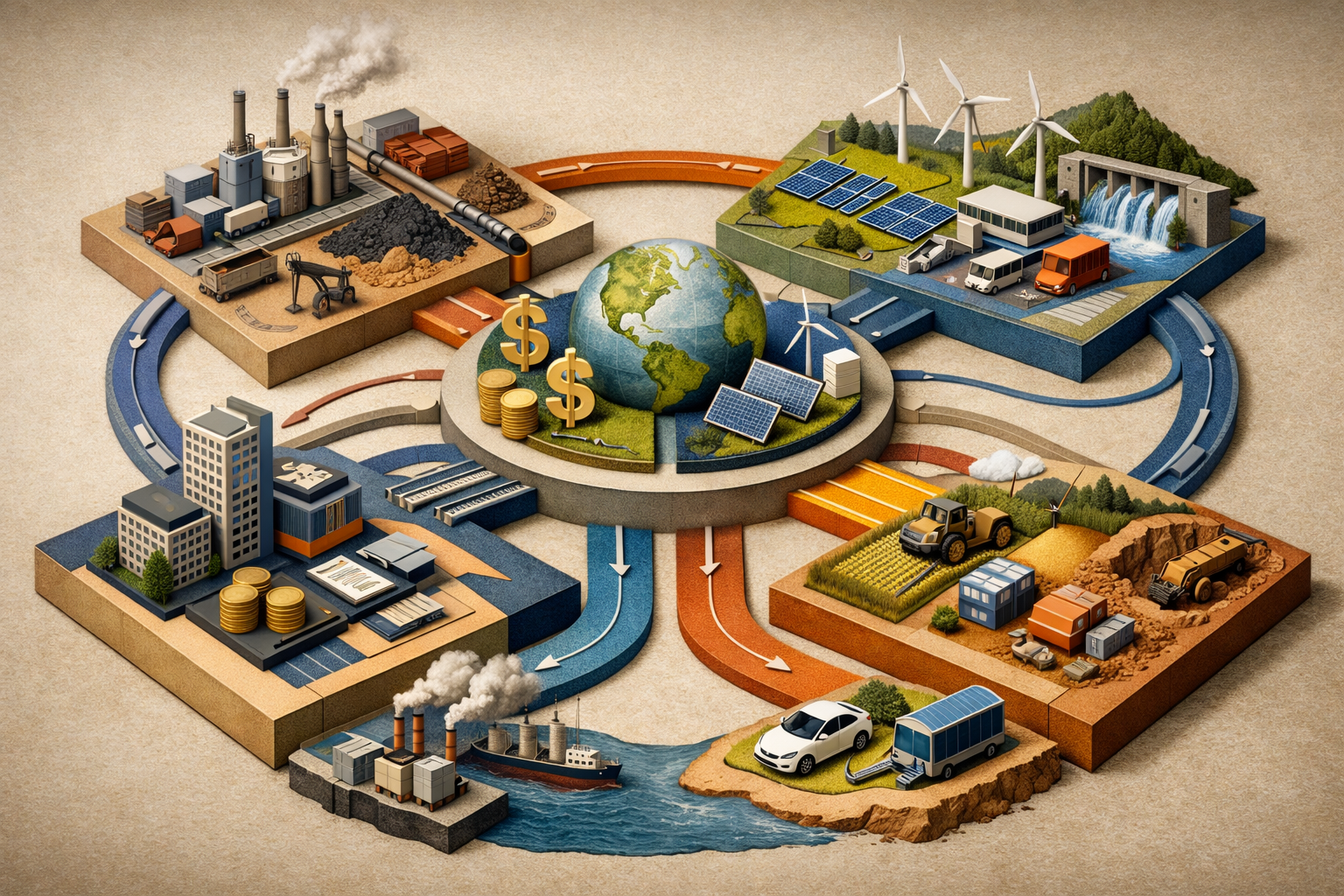
The green transition represents one of the most significant shifts in how economies, industries, and societies operate. As the urgency of addressing climate change escalates, understanding who truly benefits from this transition is crucial. With governments around the world investing heavily in renewable energy and sustainable practices, the question arises: are the benefits of these initiatives reaching all corners of society, or are they enriching a select few?
Perspective: Economic Growth vs. Equity
Proponents of the green transition often emphasize economic growth as a driving force behind the shift to renewable energy. Those in favor argue that investments in green technologies can spur job creation and innovation. However, critics argue that while jobs are generated, they may not be accessible to everyone, particularly marginalized communities. Shifts in the labor market can also lead to job losses in traditional sectors like fossil fuels, disproportionately affecting low-income workers.
"The current model of green transition might be replicating old patterns of inequality.” — Climate Activist
Advertisements
Perspective: Public Policy and Green Subsidies
Public policy plays a critical role in determining who benefits from the green transition. Proponents argue that green subsidies are designed to support innovation and reduce emissions. However, skeptics contend that such subsidies often favor larger corporations over small businesses, thereby perpetuating a cycle of advantage for the already wealthy. This raises questions of accountability and transparency in climate policy.
Perspective: Global versus Local Benefits
The transition to a renewable energy economy may yield benefits at a global level but can create disparities at the local level. Wealthy nations often push developing countries to adopt green technologies, sometimes neglecting their current needs and economic realities. This leads to an important discussion about climate justice and whether the burdens and benefits of the green transition are equitably distributed across borders.
Editorial synthesis
Where experts agree
- The urgency of the climate crisis necessitates a rapid transition to renewables.
- Economic opportunities exist within the green transition, but equitable access is crucial.
- Transparency in subsidy allocation is essential to avoid replication of past inequalities.
Where experts disagree
- The impact of green subsidies on small versus large businesses remains debated.
- Perspectives vary on whether economic growth will offset job losses in traditional sectors.
- The effectiveness of global policies on local impacts is seen differently by various experts.
Why this matters
Understanding the implications of the green transition is vital for ensuring that all individuals can benefit from the shift away from fossil fuels. An inequitable transition not only exacerbates existing disparities but undermines trust in climate policies and initiatives that are essential for a sustainable future.
Textuno's Take on this debate
The discussion surrounding the winners and losers of the green transition is more relevant than ever as we navigate significant investments and policies aimed at combating climate change. As the global economy pivots towards sustainability, it’s crucial for stakeholders to acknowledge and address these inequalities.
Voices Referenced

Climate Activist, Author

Climate Activist

Former Executive Secretary, UNFCCC

Former Governor, Bank of England
What do you think?
Cast your vote on this debate.