
Are We Entering a Post-Globalization Era?
FEATURED ANALYSIS Are We Entering a Post-Globalization Era? Are we witnessing the dawn of a new economic paradigm as globalization recedes? In recent...

FEATURED ANALYSIS
Are We Entering a Post-Globalization Era?
Are we witnessing the dawn of a new economic paradigm as globalization recedes?
In recent years, the world has seen significant shifts in trade patterns, supply chains, and international relations that have led many to question the future of globalization. Amid rising geopolitical tensions, health crises, and economic disruptions, the concept of a post-globalization economy is gaining traction. Understanding the implications of this shift is crucial not only for policymakers but also for businesses and individuals navigating a rapidly evolving economic landscape.
Perspective: Economic Realities
Globalization has primarily been driven by the principles of free trade and market liberalization. However, scholars like Dani Rodrik emphasize that the recent rise in deglobalization trends, particularly noticeable as we approach 2026, indicates a move toward protectionist policies. Rodrik posits that countries are re-evaluating their dependence on global supply chains and reconsidering their strategic priorities in light of recent disruptions, such as the pandemic and escalating geopolitical tensions. The trend towards supply chain reshoring reflects a growing sentiment that national security considerations should outweigh efficiency gains from globalization.
Perspective: Technological Change
Richard Baldwin highlights the role of technological advancements in shaping global trade dynamics. He suggests that the Fourth Industrial Revolution is shifting the drivers of production and trade, causing businesses to rethink their global frameworks. With automation and digitization, the necessity to operate across borders may diminish, as firms can produce closer to home without sacrificing productivity. This technological shift could accelerate deglobalization, as local production becomes more feasible and attractive.
"The shift towards localization is not merely a reaction to current challenges; it is a evolution driven by technology itself," Baldwin notes.
Advertisements
Perspective: Geopolitical Challenges
In his analysis, Kevin Rudd discusses how geopolitical challenges, such as rising tensions between the U.S. and China, are fundamentally altering the global economic landscape. Rudd argues that recent events, including trade wars and a focus on national resilience, signal a turning away from globalization toward a more fragmented, regional approach. With countries prioritizing their own interests over collective global strategies, the risk of economic isolationism increases, further complicating the international trading system.
Perspective: Governance and Collaboration
Anne Marie Slaughter emphasizes the need for new governance structures to adapt to this shifting landscape. She argues that while deglobalization may pose significant challenges, it also provides an opportunity for nations to create more cooperative frameworks tailored to a new economic reality. Slaughter underscores the importance of multilateral collaborations in addressing global challenges, stressing that isolated responses could exacerbate global crises instead of alleviating them.
Editorial synthesis
Where experts agree
- The current trends suggest a notable shift towards deglobalization.
- National security concerns are becoming more influential in trade policy.
- Technological advancements are reshaping production and trade.
- New governance structures are necessary to navigate this evolving economic landscape.
Where experts disagree
- The extent to which globalization will decline remains uncertain.
- Should countries prioritize efficiency or resilience in their economic strategies?
- The impact of technology on globalization is viewed differently: some see it as a catalyst for deglobalization while others consider it a means to enhance global trade.
Why this matters
Understanding the potential transition to a post-globalization era is critical as it may redefine economic interactions between nations. As countries modify their approaches to trade and investment, businesses must adapt to new realities, possibly rethinking their operational strategies and supply chain practices. A coherent understanding of these dynamics will be essential for future prosperity.
Textuno's Take on this debate
As the world grapples with radical changes in trade and economic policies, the implications of deglobalization may echo for decades. The post-globalization era could redefine not only how economies function but also how nations cooperate and compete on the global stage.
Voices Referenced

Professor of International Political Economy, Harvard University

Professor of International Economics, Graduate Institute of International and Development Studies

CEO, New America
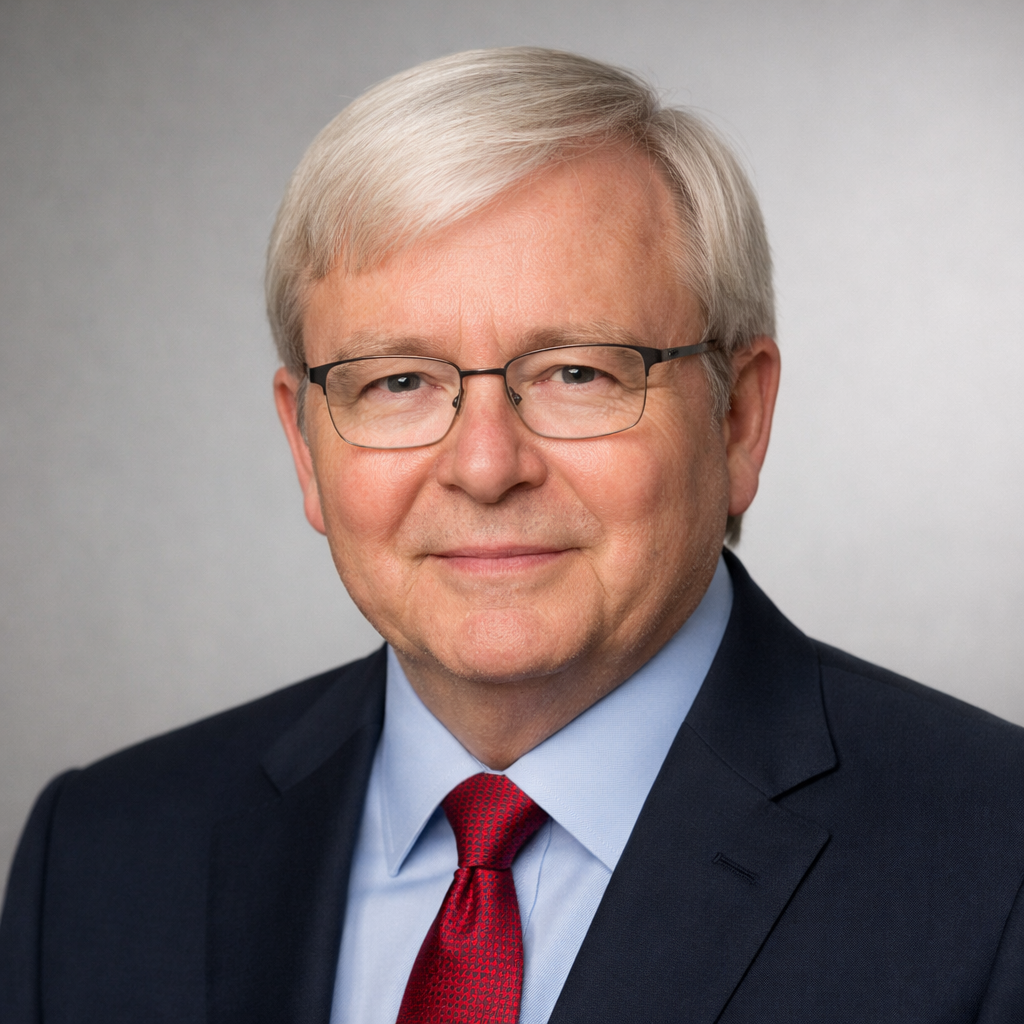
Former Prime Minister of Australia, President of the Asia Society
What do you think?
Cast your vote on this debate.