
The Duality of Urban Futures: Innovation Hubs vs. Ghost Towns
FEATURED ANALYSIS The Duality of Urban Futures: Innovation Hubs vs. Ghost Towns Will cities become thriving innovation hubs or sparsely populated ghos...

FEATURED ANALYSIS
The Duality of Urban Futures: Innovation Hubs vs. Ghost Towns
Will cities become thriving innovation hubs or sparsely populated ghost towns as remote work reshapes urban life?
As we emerge from the lingering effects of the pandemic, discussions around the future of urban spaces gain urgency. With work-from-home arrangements here to stay, urban planners, architects, and policymakers need to rethink city infrastructures that once thrived on daily commuting. This dynamic presents both challenges and opportunities for cities worldwide, making it a pivotal moment to analyze how urban environments will adapt in the coming years.
Perspective: Urban Innovation and Vibrancy
Cities have traditionally been seen as melting pots that foster innovation through density, interaction, and collaboration. Experts argue that the future of urban environments should prioritize innovation hubs that integrate technology, creativity, and social engagement. These hubs can drive economic growth, enhance quality of life, and strengthen community ties. Richard Florida emphasizes that the creative class thrives on connectivity and diversity, suggesting that urban planning should focus on zones conducive to collaboration.
Perspective: Sustainable Urban Living
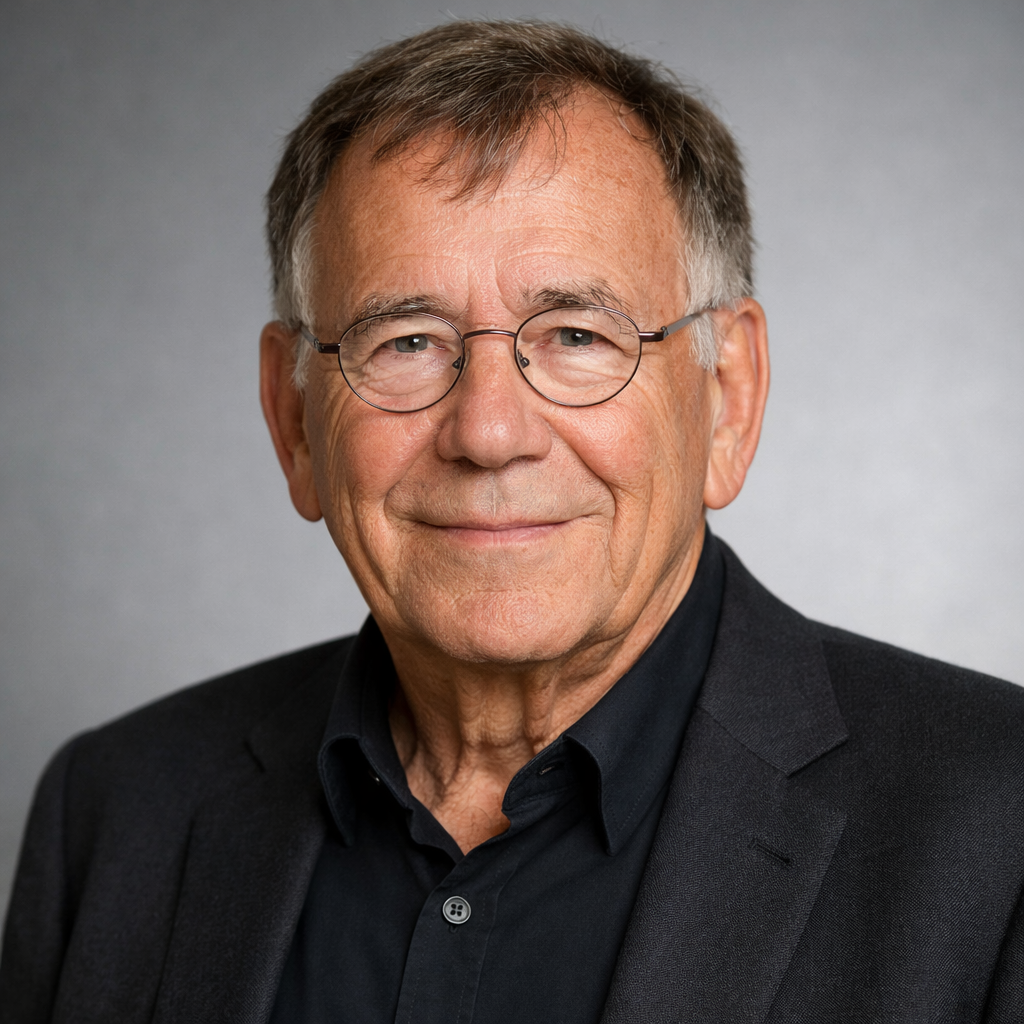
Conversely, many experts highlight the need for sustainable urban design that accommodates remote work while ensuring environmental health. Jan Gehl advocates for creating inviting public spaces and community-focused design elements that promote social interaction without the necessity of daily commutes. This perspective underscores a vision of cities that cater to residents’ needs while addressing ecological challenges through green infrastructure.
Advertisements
Perspective: The Ghost Town Scenario
The potential decline of urban areas, leading to ghost towns, cannot be overlooked. If cities fail to adapt and evolve with the changing societal needs, they risk becoming abandoned spaces losing their economic vibrancy. Experts caution that areas once bustling with life may see increased vacancy rates if they do not implement policies and infrastructure that account for the new realities of remote work and living. Jeff Speck warns that without a proactive approach to urban planning, cities may become unattractive both economically and socially.
Perspective: The Hybrid Model
Some experts propose a hybrid model that combines traditional urban experiences with the flexibility of remote work. This evolving paradigm suggests that cities need to create mixed-use environments which incorporate residential, commercial, and recreational spaces within walking distance. Kate Orff points out that evolving work patterns could drive the demand for more local amenities and community-centric designs, making neighborhoods livable and functional regardless of work arrangements.
Editorial synthesis
Where experts agree
- Cities will need to adapt their infrastructures to accommodate more residential living.
- The importance of designing spaces that promote community engagement and social interaction is paramount.
- Sustainable practices must be integrated to address urban ecological concerns.
Where experts disagree
- There’s contention on how much urban areas should prioritize remote work solutions versus traditional approaches.
- The potential for cities to become exclusively remote work spaces varies among experts, with some deeming it unrealistic.
- Solutions for engaging the local economy differ among urban planners and theorists.
Why this matters
The way cities evolve will significantly impact socioeconomic dynamics, urban resilience, and the overall quality of life for their residents. The balance struck between innovation hubs and the risk of ghost towns will define our urban future and influence generations to come.
Textuno's Take on this debate
The future of cities is not just a question of density or remote work; it’s about striking a balance that promotes resilience and innovation. As urban spaces transform, understanding the implications of these changes on social and economic structures is critical.
Voices Referenced

Author & Urban Studies Theorist
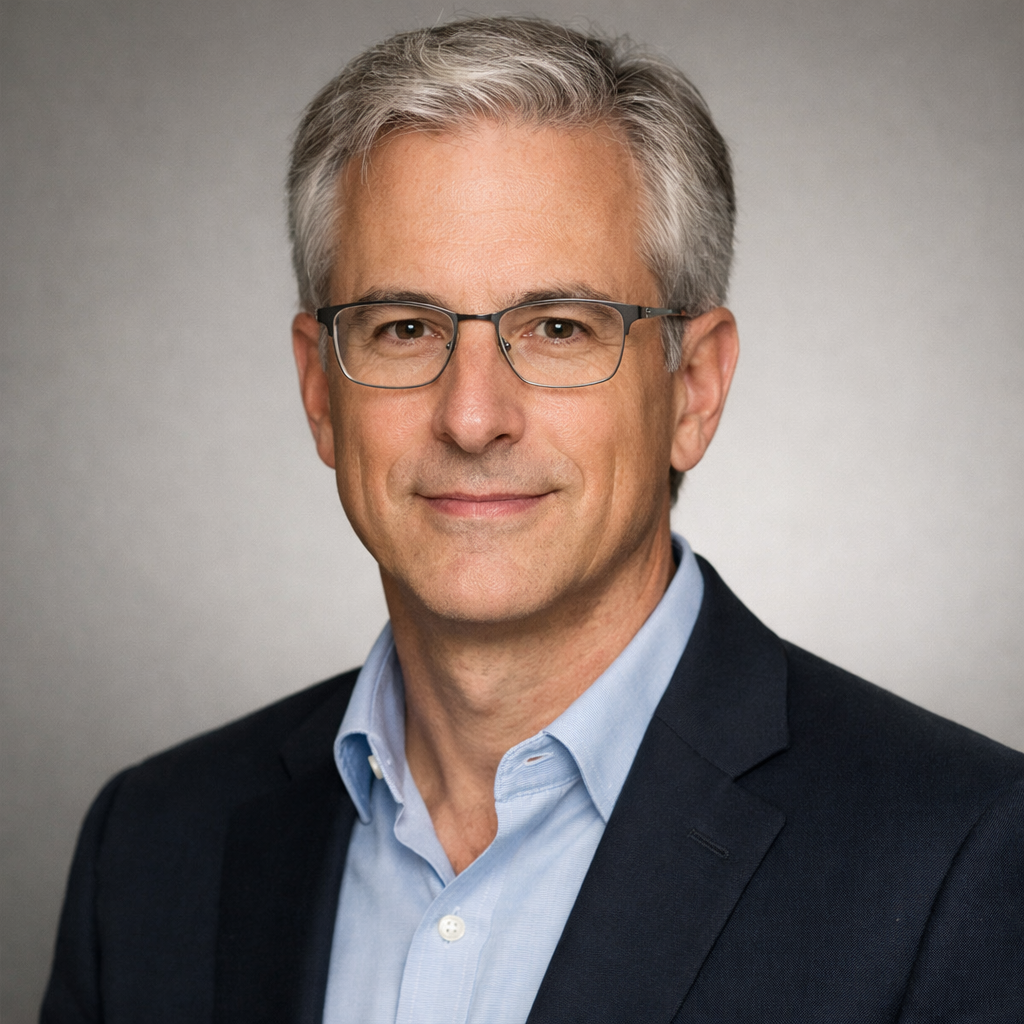
City Planner & Author
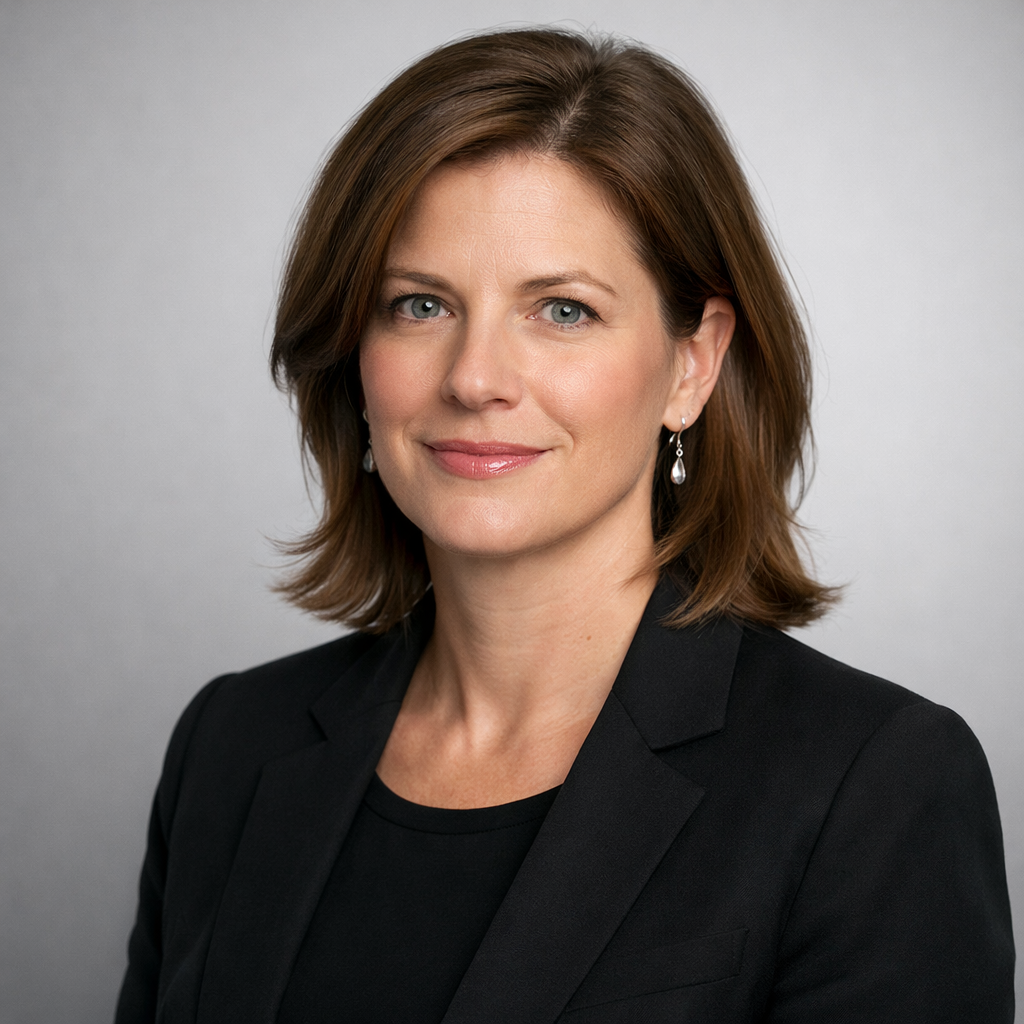

Urban Planner & Professor
What do you think?
Cast your vote on this debate.