
Urban Life: Opportunity or Invisible Burnout?
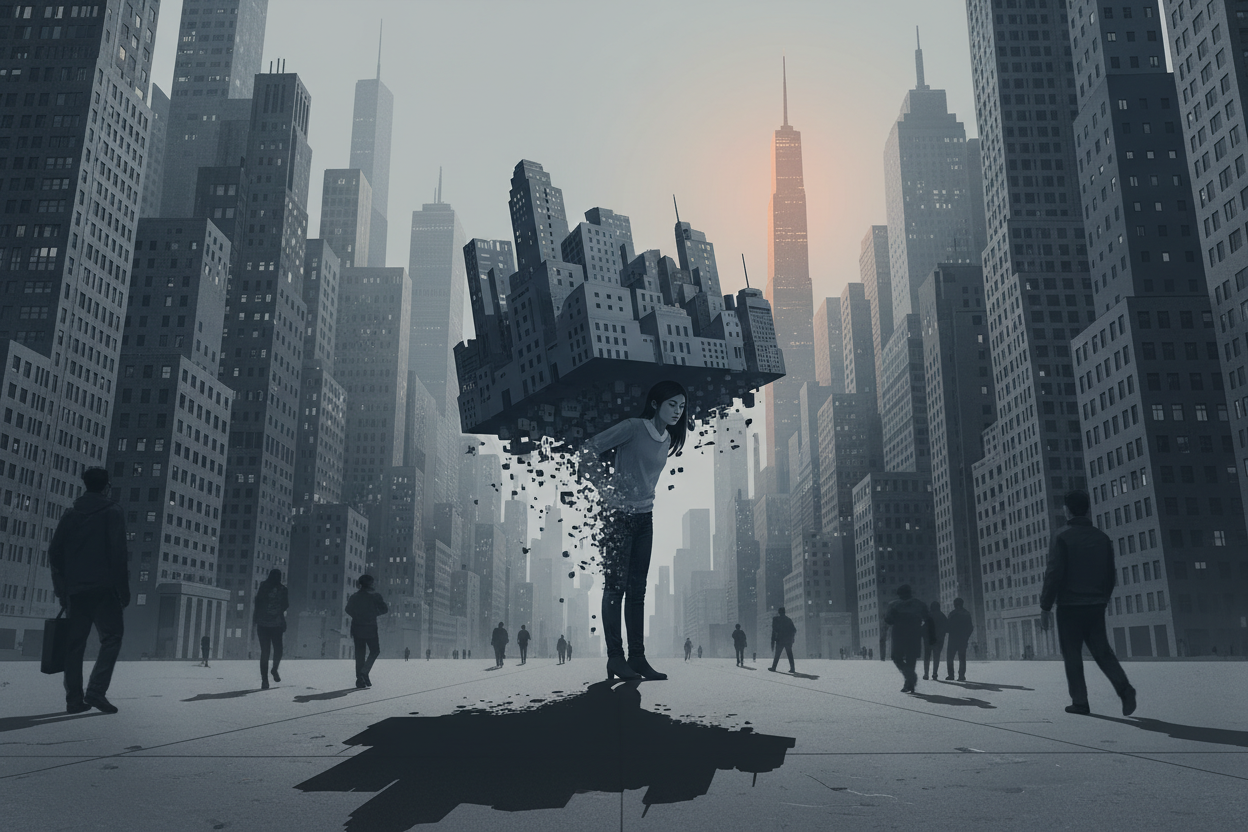
Urban Life: Opportunity or Invisible Burnout? Is urban living a catalyst for advancement, or is it silently eroding the well-being of its residents? A...
Key Metrics
60%
Urban dwellers experiencing burnout
75%
City populations projected to increase
80%
Residents who value community support
Is urban living a catalyst for advancement, or is it silently eroding the well-being of its residents? As cities continue to expand and attract a diverse population drawn by the allure of opportunity, a dual narrative has emerged—one that celebrates the hustle of urban life, and another that raises concerns over the burnout endemic to city dwellers.
Context
This debate is more pertinent than ever, as the post-pandemic landscape reveals shifting dynamics in urban life. Remote work has created a new flexibility, yet many people find themselves trapped in a whirlwind of expectations, stymieing their mental health. In this light, exploring urban living's promise against its potential pitfalls offers important insights into how city residents experience their day-to-day existence.
Perspective: Opportunity
Richard Florida, known for his work on urban studies, emphasizes the opportunities embedded in city living. He argues that urban areas serve as hubs for innovation, creativity, and economic mobility. Florida notes that, "cities are vehicles for progress, attracting talent and fostering collaboration," thus contributing to individual and collective prosperity. According to Florida, cities create a vibrant ecosystem where diverse ideas converge, offering fertile ground for entrepreneurs and artists alike.
Florida further suggests that the concentration of resources, including educational institutions and job markets, creates unmatched avenues for personal and professional growth. This perspective celebrates the idea of cities as places of empowerment, particularly for marginalized groups who often find greater support networks in urban settings.
Perspective: Invisible Burnout
Conversely, cultural critic Anne Helen Petersen highlights the more insidious aspects of urban life—specifically, the exhaustion that often accompanies the pursuit of success in a city. In her work, Petersen discusses "the culture of hustle" that leads individuals to overextend themselves in pursuit of societal benchmarks, such as career advancement and social validation. She argues that the ceaseless pressure to perform not only creates physical exhaustion but also emotional and psychological distress.
Advertisements
Petersen reflects on the concept of burnout as a societal expectation rather than an individual failure, asserting that urban dwellers frequently become trapped in a cycle that glorifies busyness. She points out that while cities present myriad opportunities, the constant grind can also lead to a lack of fulfillment—what she terms an "invisible burnout," where individuals may struggle to recognize their own exhaustion amid the cacophony of urban life.
Perspective: Balance in Urban Living
Economist Edward Glaeser provides a nuanced view by acknowledging the benefits of urban environments while also recognizing the challenges they pose. He argues that while cities drive economic growth, they can exacerbate inequalities that lead to stress and burnout. In Glaeser’s analysis, urban areas are characterized by their dynamism, yet this dynamism can manifest as competition that fosters an unhealthy culture of overwork.
Glaeser emphasizes the importance of infrastructure—social and physical—that supports well-being alongside opportunity. He advocates for policies that create a more balanced urban life, where residents can thrive without succumbing to the pressures typically associated with city living. "Urban policy should not only encourage growth but also ensure the sustainability of its citizens’ mental health," Glaeser argues, fostering environments where work-life balance is prioritized.
Editorial synthesis
Where experts agree
- Recognition of Urban Benefits: All three experts acknowledge cities as critical infrastructures for fostering economic and cultural opportunities.
- Sustainability of Well-being: There is a consensus on the need for urban environments to consider the well-being of their residents, advocating for a balance between ambition and mental health.
Where experts disagree
- Nature of Burnout: While Florida sees urban hustle as largely empowering, Petersen views it as profoundly exhausting, depicting urban life as a breeding ground for stress.
- Policy Solutions: Glaeser’s emphasis on policy interventions contrasts with Florida’s more optimistic view that market forces alone can resolve the challenges faced in urban life.
Why this matters
Understanding the duality of urban existence—where opportunity and burnout coexist—is essential in a world increasingly inclined towards urbanization. As cities evolve, so too must our perceptions and policies around the urban experience. Promoting initiatives that protect mental health without stifling economic dynamism is crucial to sustaining the very cultures that make cities vibrant.
The discourse surrounding urban life highlights essential questions about the future of society's relationship with cities. A balanced urban existence must be pursued actively, ensuring that cities not only serve as cradles of opportunity but also as sanctuaries for well-being. As urbanization continues to reshape the landscape of modern living, engaging in this dialogue is more imperative than ever.
Editorial Take
Striking a Balance: Urban Life's Duality
Mindfully AmbitiousUrban life presents both exciting opportunities and hidden challenges that must be acknowledged.
Urban living indeed offers unparalleled opportunities, fostering innovation and collaboration among diverse populations. However, we must remain mindful of the invisible burnouts that often accompany the relentless pursuit of success. The post-pandemic landscape underscores a critical moment where flexibility in work can bring both freedom and added stress, particularly for those striving for balance amidst expectation. As we navigate urban challenges, it is crucial to cultivate environments that support mental well-being alongside ambition. Thus, recognizing and addressing the risks of burnout while celebrating the vibrant opportunities cities provide is key to fostering healthier urban communities moving forward.
What do you think?
Cast your vote on this debate.
Continue the Debate
Related topics emerging from this analysis:
The Impact of Remote Work on Urban Mental Health
Exploring how the rise of remote work in urban settings is shifting the dynamics of work-life balance and its implications for mental health among city dwellers.
Hidden Inequities: Urban Living and Access to Opportunity
Investigating how disparities in access to resources within cities affect marginalized communities and whether urban environments truly offer equal opportunities for all.
Green Cities: Nature's Role in Combating Urban Burnout
Analyzing how the integration of green spaces in urban areas can mitigate burnout and enhance the quality of life for residents.
The Entrepreneurial Ecosystem: Thriving or Struggling?
Examining the duality of urban entrepreneurship, focusing on success stories versus the intense pressure and failures faced by startups in city environments.